A metabolic syndrome diet can feel overwhelming at first, especially if you have been told you need to change how you eat to protect your heart, prevent diabetes, or lose weight. The good news is that you do not need a perfect plan or a complicated set of rules. You can start with a few simple, repeatable habits that improve your numbers and your energy over time.
Below are practical metabolic syndrome diet habits you can begin today. You can take them one at a time, or layer them slowly so the changes feel realistic and sustainable.
Understand what metabolic syndrome means
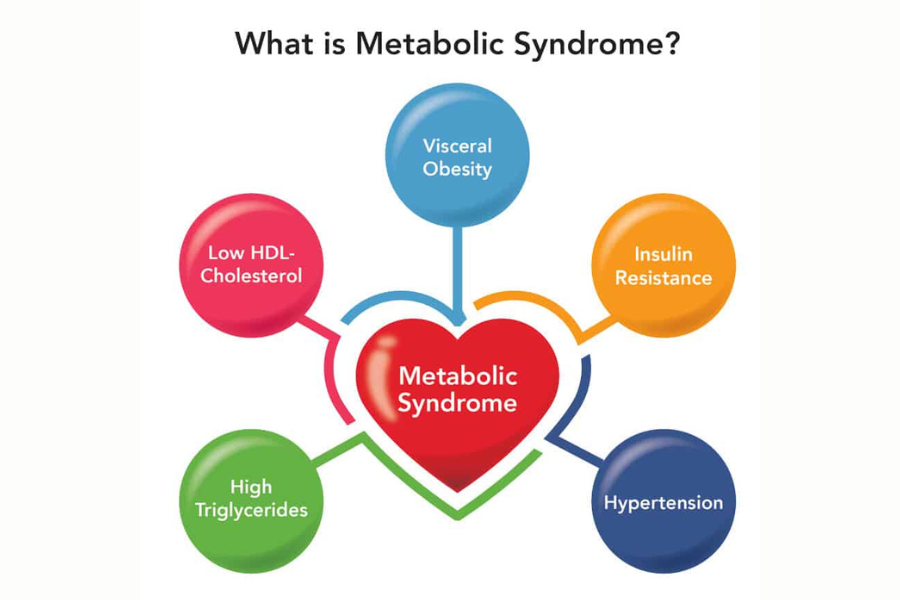
Before you change how you eat, it helps to know what you are working with. Metabolic syndrome is not one single disease. It is a cluster of risk factors that raise your chances of heart disease, stroke, and type 2 diabetes. You are diagnosed with metabolic syndrome when you have three or more of the following:
- A large waist circumference
- High blood pressure
- High fasting blood sugar
- High triglycerides
- Low HDL (the “good” cholesterol)
This definition comes from the American Heart Association and similar expert groups (Cleveland Clinic, Journal of Clinical Medicine). Having metabolic syndrome roughly doubles your risk of cardiovascular disease and triples your risk of diabetes (Journal of Clinical Medicine).
The key takeaway is that your daily habits, especially what you eat, can move these numbers in a better direction. Even moderate weight loss of about 5 to 10 percent of your body weight can improve blood pressure, cholesterol, blood sugar, and inflammation markers (Journal of Clinical Medicine).
Base meals on whole, unprocessed foods
Almost every expert source on metabolic syndrome diet patterns comes back to the same core advice: eat mostly whole foods and limit highly processed ones (Cleveland Clinic, Healthline). Whole foods are ingredients that look close to how they grew or were raised, like vegetables, fruits, beans, nuts, whole grains, fish, eggs, and plain yogurt.
When you build your meals around these foods, you naturally get more fiber, vitamins, minerals, and healthy fats. These nutrients help stabilize blood sugar, support healthy cholesterol, and keep you full, which makes it easier to avoid overeating.
If you are used to packaged meals or fast food, start small. Swap one processed item per day for a whole food option. For example, trade a frozen breaded chicken patty for grilled chicken breast, or swap boxed macaroni for baked sweet potato.
Fill half your plate with non starchy vegetables
Non starchy vegetables are one of the most powerful tools in a metabolic syndrome diet. They are low in calories and carbohydrates but packed with fiber, water, and nutrients. This combination helps you feel satisfied without spiking your blood sugar.
Non starchy vegetables include salad greens, broccoli, cauliflower, peppers, zucchini, cucumbers, tomatoes, cabbage, and similar produce. The Cleveland Clinic specifically highlights them as a key part of managing metabolic syndrome (Cleveland Clinic).
Aim to make half your plate vegetables at lunch and dinner. That might look like:
- A large salad with mixed greens, tomatoes, cucumbers, and olive oil
- Roasted broccoli and peppers alongside grilled fish
- Sautéed cabbage and carrots next to a small portion of brown rice and beans
If you are not used to eating many vegetables, focus on preparation methods you enjoy. Roasting with a drizzle of olive oil and herbs, or stir frying in a nonstick pan, can make vegetables more flavorful and appealing.
Choose fiber rich carbs instead of refined ones
Carbohydrates are not off limits, but the type you choose matters. Refined carbs like white bread, pastries, many breakfast cereals, and sugary snacks digest quickly and raise blood sugar. Over time, this can worsen insulin resistance and increase your risk of type 2 diabetes (Healthline).
For a metabolic syndrome diet, you want carbohydrates that come packaged with plenty of fiber. Fiber slows down digestion, prevents sharp blood sugar spikes, keeps you full, and helps lower LDL cholesterol (Business Insider, Healthline).
Better carb choices include:
- Beans, lentils, and chickpeas
- Whole grains like oats, barley, quinoa, and whole wheat bread
- Starchy vegetables such as sweet potatoes, winter squash, and peas
- Fruit that is high in fiber like raspberries, blackberries, pears, and apples
Health organizations often recommend at least 25 grams of fiber per day for women and 38 grams for men to support cholesterol and blood sugar control (Healthline). You do not need to count every gram, but you can use that range as a reminder to include fiber rich foods at each meal.
Prioritize healthy fats, especially olive oil and omega 3s
Fat is not the enemy in a metabolic syndrome diet. The type and amount of fat you eat shapes your cholesterol levels, inflammation, and insulin sensitivity.
Diets that emphasize monounsaturated fats, such as those in extra virgin olive oil, avocados, and many nuts, can improve insulin sensitivity, reduce LDL cholesterol and triglycerides, and increase HDL cholesterol (Journal of Clinical Medicine). At the same time, a high intake of saturated fat and trans fats is linked to worse lipid profiles and impaired insulin action (Journal of Clinical Medicine).
Omega 3 fatty acids are another key player. Found in fatty fish like salmon, mackerel, and sardines, as well as in walnuts and flaxseed, omega 3s have been shown to lower blood pressure and cholesterol in people with metabolic syndrome (Business Insider). Increasing your intake or using a high quality fish oil supplement may be helpful, although you should talk with your doctor before starting any supplement.
A practical way to shift your fat intake:
- Use extra virgin olive oil as your primary cooking and salad oil
- Eat fatty fish 2 times per week when possible
- Snack on a small handful of nuts instead of chips
- Limit high saturated fat items like fatty red meats, butter heavy dishes, and full fat processed meats
Experts typically recommend that fat make up about 20 to 35 percent of your daily calories, with saturated fats under 10 percent (Journal of Clinical Medicine).
Cut back on sugar sweetened drinks
Sugary drinks are one of the fastest ways to spike blood sugar and add calories without feeling full. Regular intake of sugar sweetened beverages is strongly associated with a higher risk of metabolic syndrome (Business Insider). For people who already have metabolic syndrome, cutting these drinks is especially important.
This category includes:
- Regular soda
- Sweetened iced tea
- Energy drinks
- Many coffee beverages with syrups and whipped cream
- Fruit punch and juice drinks
Research suggests that consuming a high percentage of your calories from sugar, around 20 percent, is linked to higher metabolic syndrome risk, and sweetened beverages are a major source of that sugar (Business Insider).
You do not have to be perfect right away. Start by replacing one sugary drink per day with water or unsweetened tea. If you rely on soda, you might transition to diet soda for a time, although the long term effects of diet drinks are still being studied. Cleveland Clinic notes that diet sodas can help reduce sugar intake if used in moderation, but water is still the best choice (Cleveland Clinic).
Watch sodium and boost potassium
High blood pressure is one of the core features of metabolic syndrome, and what you eat can push your blood pressure up or help bring it down. A high sodium intake is linked to insulin resistance and metabolic syndrome, and lowering sodium often improves blood pressure (Business Insider).
At the same time, potassium works in the opposite direction. It helps counteract some of sodium’s effects in your body and supports healthier blood pressure levels. Potassium rich foods include bananas, oranges, avocados, potatoes, leafy greens, beans, and yogurt (Healthline).
You can improve this sodium to potassium balance by:
- Choosing low sodium or no salt added versions of canned beans, broths, and sauces
- Flavoring food with herbs, spices, citrus juice, and vinegar instead of relying heavily on salt
- Eating more fresh or frozen vegetables instead of salty packaged sides
- Including a potassium rich food at most meals, such as beans tossed into a salad or a side of roasted sweet potato
If you have kidney disease or take certain medications, always check with your healthcare provider before intentionally increasing potassium.
Build your meals around proven patterns
You do not need to follow a named diet to improve metabolic syndrome, but some patterns have particularly strong research behind them. When they are combined with calorie awareness and lifestyle changes, they can reduce insulin resistance and improve blood pressure, lipids, and waist circumference (Journal of Clinical Medicine).
Helpful patterns include:
- Mediterranean style eating, which centers on vegetables, fruits, whole grains, legumes, nuts, fish, and extra virgin olive oil. This style has been associated with a 19 percent lower risk of developing metabolic syndrome and favorable changes in waist size and blood pressure (PMC).
- DASH (Dietary Approaches to Stop Hypertension), which emphasizes vegetables, fruits, whole grains, low fat dairy, and low saturated fat. It has been shown to significantly reduce systolic and diastolic blood pressure and is associated with a much lower risk of metabolic syndrome in adults and in younger people (PMC).
- Plant based patterns, such as vegetarian and some vegan diets, that are built around high quality plant foods. These are linked to lower blood pressure, better cholesterol profiles, modest weight loss, and lower metabolic syndrome risk when diet quality is high (PMC).
Low carbohydrate and even ketogenic diets can also improve weight and cardiovascular risk markers in some people, but long term adherence can be difficult and food quality still matters. If you pursue a lower carb approach, experts caution against relying heavily on saturated fats and cured meats, especially over the long term (Cleveland Clinic, PMC).
Whatever pattern you choose, the key is that you can live with it. A plan that fits your tastes, culture, and schedule will work better than a strict plan you follow for only a few weeks.
Put it together with a simple daily template
It can help to translate all of these ideas into a basic daily structure you can customize. Here is a sample pattern inspired by meal plans that support metabolic syndrome management (Business Insider, EatingWell):
Breakfast: Fiber + protein + fruit
Lunch: Half plate vegetables + lean protein + high fiber carb
Dinner: Half plate vegetables + fatty fish or other lean protein + whole grain or starchy vegetable
Snacks: Nuts, seeds, yogurt, fruit, or cut vegetables
For example, you might have:
- Oatmeal with ground flaxseed and berries for breakfast
- A large salad with chickpeas, chopped vegetables, and olive oil for lunch
- Grilled salmon with roasted broccoli and a small baked sweet potato for dinner
- A pear with a handful of walnuts as an afternoon snack
This is only one pattern, but it gives you a starting point. You can swap in foods you enjoy while keeping the same basic structure.
Start with one or two realistic changes
Metabolic syndrome did not develop overnight, and it will not disappear overnight either. The most powerful thing you can do today is to pick one or two habits from this list and commit to them for the next week.
You might choose to:
- Replace sugary drinks with water at least once per day
- Fill half your dinner plate with vegetables
- Add beans or lentils to one meal per day
- Cook with olive oil instead of butter in most meals this week
As you feel more comfortable, you can build from there. Combined with regular physical activity, quality sleep, and stress management, a consistent metabolic syndrome diet can reduce or even reverse many of the risks associated with this condition (Business Insider, Healthline).
If you have questions about how these changes fit with your medications or health history, it is always wise to check in with your healthcare provider or a registered dietitian. With the right support and a few daily habits, you can move your metabolic health in a better direction, starting today.