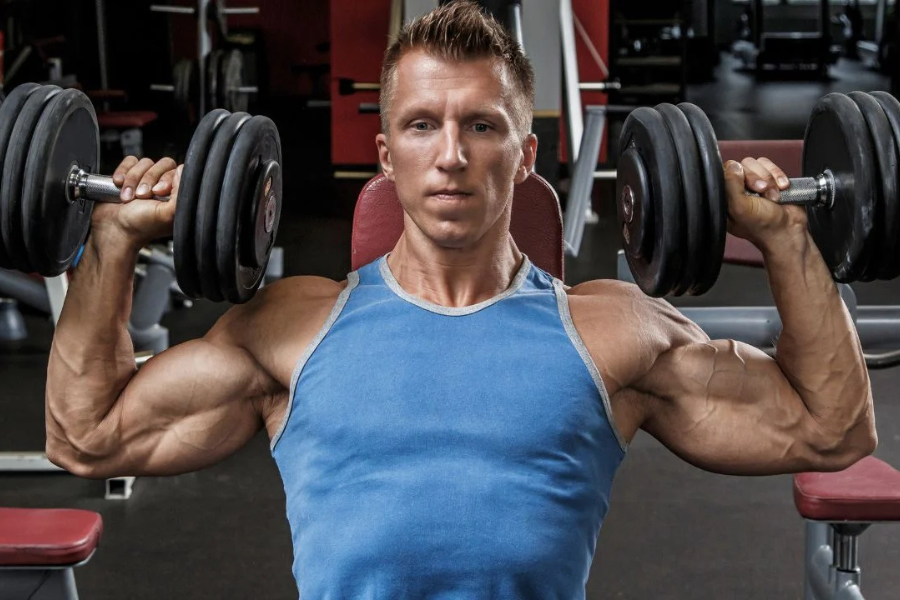
Shoulder strengthening exercises can transform both your physique and everyday comfort. Strong, stable shoulders help prevent injuries, improve posture, and make countless daily tasks feel easier. Whether you are brand-new to strength training or simply looking to upgrade your workouts, focusing on your shoulders is a great way to boost overall upper-body performance.
By learning about the primary shoulder muscles, warming up deliberately, and choosing key movements that meet your needs, you will develop power and mobility more quickly. Below, you will discover simple yet effective ways to strengthen your shoulders and keep them healthy for the long haul.
Understand your shoulder muscles
Your shoulder is a complex joint made up of three main areas: the front (anterior) deltoid, the side (lateral) deltoid, and the rear (posterior) deltoid. Along with these, other supporting muscles, such as the rotator cuff, help stabilize the joint and allow you to move through a wide range of motions.
Learning the role each muscle group plays can guide you in balancing your workouts. If you focus on only the front of your shoulders, you risk muscle imbalances that may lead to discomfort or poor posture. Targeting all three heads of your deltoids, plus the rotator cuff, ensures a comprehensive approach to your shoulder strengthening exercises.
Key takeaway about muscle balance
Balanced shoulder training is vital. When you give the rear deltoids and rotator cuff proper attention, you reduce the likelihood of shoulder pain and support better spine alignment. This helps you stand taller and lift more weight comfortably over time.
Warm up for better performance
A proper warmup increases blood flow to your shoulder muscles, helps loosen tight areas, and mentally prepares you for the session ahead. Start with gentle movements that mimic exercises you plan to perform. This step may not seem overly exciting, but it can make a huge difference in how your shoulders feel during and after your workout.
For example, you might do arm circles, shoulder rolls, or scapular retractions (gently pulling your shoulder blades together). After a minute or two, you can transition to light resistance with a resistance band. Pull-aparts or external rotations using a band are great warmup choices, because they activate smaller stabilizing muscles, too.
Master fundamental exercises
When you are ready to build strength, beginning with foundational shoulder exercises is a wise move. These exercises target key muscles and help you develop stable form from the very start.
-
Overhead press: The overhead press targets the front and side portions of your shoulders while also engaging your core. You can use dumbbells, a barbell, or even resistance bands. Stand or sit tall and press the weight overhead, keeping your movements controlled.
-
Lateral raise: Lateral raises target the side deltoids, which help give your shoulders a broader look. Start with light weights to ensure you focus on proper form, lifting from your shoulders rather than straining your neck.
-
Front raise: Front raises emphasize the anterior deltoids. Try to avoid swinging your torso as you lift the weights. Instead, engage your core and slowly raise the dumbbells forward to about shoulder height.
-
Face pull: Face pulls work the often-overlooked rear deltoids and also engage the upper back. Using a cable or resistance band, pull the rope or band toward your forehead, with your elbows high and shoulders down.
Reminders for these core moves
Keep your elbows slightly bent and maintain tension on the shoulder muscles. Rushing or jerking the weights up can strain other areas of your body. Instead, aim for slow, controlled lifts and a gentle pause at the top of each movement.
Add variety with advanced techniques
Once you have mastered the fundamentals, you may be ready to introduce more challenges and accelerate your gains. Some people plateau quickly if they stick to the same exercises and weights for too long, so safely adding variety can keep your shoulders progressing.
• Arnold press: Created famous by Arnold Schwarzenegger, this variation starts like a regular overhead press, but you rotate your palms from facing you at the bottom to facing outward at the top. The twisting motion can stimulate portions of the shoulder that are missed by a standard press.
• Upright row: Holding a barbell or dumbbells in front of you, lift toward your chest while keeping the weights close to your body. This primarily targets your upper traps and side deltoids, though it requires caution for those with shoulder sensitivities.
• Single-arm landmine press: If you have access to a landmine setup, you can benefit from a unique angle of press that challenges your core. It adjusts shoulder mechanics and can be especially helpful if overhead mobility is an issue.
• Pike push-up: A bodyweight option that emphasizes your shoulders more than a standard push-up. Position yourself in a downward-dog stance, then bend your arms to lower your head toward the floor and press back up.
When attempting these advanced moves, start conservatively and pay close attention to how your shoulders feel. Overloading your muscles incorrectly could cause strain, so maintain that mindful approach you developed with the fundamental exercises.
Strengthen supporting muscles
Working the rotator cuff and other stabilizing muscles is just as important as training the larger shoulder heads. If you overlook these smaller supporters, you may experience nagging aches and pains or become more susceptible to injuries. Simple exercises like external rotations with resistance bands, internal rotations, and scapular push-ups can do wonders for your shoulder stability.
Maintain proper alignment while you perform these movements. Keep your chest tall, your core engaged, and your shoulders pulled back rather than hunching forward. Over time, these subtle activations add up and safeguard your joints against heavier lifts or repetitive motions.
Train consistently and recover wisely
Consistency is what delivers results. Aim to work your shoulders at least twice a week, mixing in both foundational and advanced exercises. If you are new to training, one or two shoulder-focused sessions per week is plenty. More experienced lifters can maintain two to three days, provided they pay close attention to form and recovery.
To help your body repair the small tears that occur during exercise, get enough quality sleep, stay hydrated, and supply your muscles with balanced nutrition. You may also find it helpful to include active recovery strategies, such as light stretching and gentle mobility work on rest days. This not only helps with soreness but also keeps your shoulders flexible and ready for your next session.
Listen to your body and adjust
If you notice pain or discomfort in your shoulders during a workout, pause and evaluate. Sometimes a minor form tweak can resolve the issue. Other times you may need to reduce the weight or switch to a different exercise that shares a similar movement pattern. It is always better to modify an exercise than to power through pain and risk a more serious injury.
Think of your training plan as an evolving guide. As your shoulders become stronger, you can adjust the intensity, volume, or type of exercises you include. By staying attentive to your body’s feedback, you will continue to see progress without derailing your routine.
Stay motivated for real results
Strong shoulders often bring immediate benefits, like better posture and greater upper-body strength, which can serve as built-in motivation. Still, to keep yourself on track long-term, consider setting performance-based goals. For instance, aim to increase your overhead press weight or complete more strict pike push-ups.
Celebrate each milestone along the way, no matter how small it may seem. If you improve your form, complete more reps, or conquer a brand-new shoulder exercise, you are making real progress. Little victories add up and reinforce the importance of consistency and smart training.
Remember that resting when needed, focusing on correct technique, and maintaining a balanced approach to your shoulder work will help you see and feel results faster than an overly aggressive routine. Take it one workout at a time, and you will discover just how quickly your shoulders can get stronger when you give them the right amount of care and challenge.
Feel free to share your own success stories or go-to shoulder moves in the comments. Your tips might inspire someone else to try that exercise and reveal an entirely new level of shoulder strength.