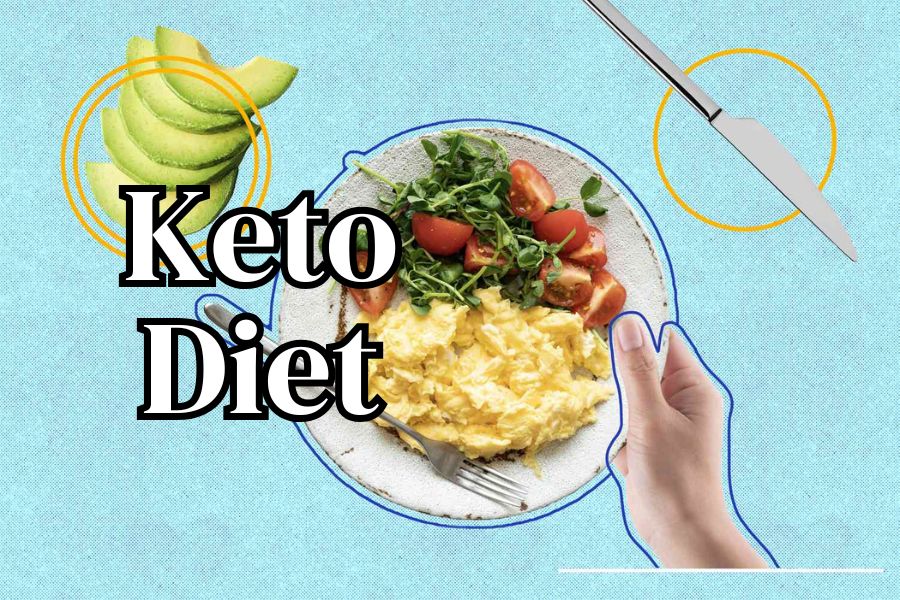
A keto diet for beginners can feel confusing at first. Carbs are suddenly limited, fat is encouraged, and everyone seems to have a different opinion about what works. This guide walks you through the basics in plain language so you can decide if keto is right for you and start with confidence.
Understand what the keto diet is
The ketogenic diet is a very low carbohydrate, high fat way of eating that shifts how your body fuels itself. Instead of relying on glucose from carbs, you guide your body into a metabolic state called ketosis, where it burns fat for energy.
In practical terms, this means you eat far fewer carbs, moderate protein, and more fat. Research shows that this shift can lower blood sugar and insulin levels and may support weight loss and reduce disease risk when done properly (Healthline).
How ketosis works in your body
When you usually eat, carbs break down into glucose, which becomes your main energy source. If you cut carbs very low, your body runs out of stored glucose and starts breaking down fat into molecules called ketones.
Those ketones become your backup fuel. On a keto diet, you stay in this ketone-burning mode most of the time. Many people notice steadier energy and fewer blood sugar swings when this happens (Diet Doctor).
Learn the main benefits of keto
If you are considering keto to lose weight or improve your health, you likely want to know what you can realistically expect.
Weight loss and appetite control
Keto is popular for weight loss, and there is evidence behind that reputation. Compared with low fat diets, keto can lead to slightly greater long term weight loss, plus improvements in triglycerides and blood pressure for some people (Healthline). One key reason is that ketosis often lowers insulin, which can help your body access stored fat more easily (Diet Doctor).
Many beginners also report feeling less hungry. Studies show keto diets tend to reduce appetite, which can make it easier for you to naturally eat fewer calories without forcing yourself to be hungry all day (Diet Doctor).
Blood sugar and metabolic health
If you have high blood sugar or insulin resistance, keto can be especially appealing. Several trials show that very low carb ketogenic diets can improve insulin sensitivity and blood sugar management, and some people with type 2 diabetes are able to reduce or discontinue certain medications under medical supervision (Healthline, Diet Doctor).
There is also promising research on keto for conditions like metabolic syndrome and PCOS. For example, women with PCOS who followed a ketogenic diet under 20 grams of carbs per day for six months saw meaningful reductions in body weight, insulin, and certain hormone levels (Cureus).
Other potential benefits
Keto was originally developed in the 1920s to help control seizures in people with epilepsy, particularly children who did not respond well to medications (Mercy). In that medical setting it is still used today, but always under close supervision.
You might also notice short term changes such as lower blood pressure, reduced triglycerides, and higher HDL cholesterol, especially within the first 6 to 12 months (Cureus). Long term results depend heavily on how consistently you follow the diet and how well it is designed.
Know the risks and limits
Keto is not risk free or appropriate for everyone. Understanding the downsides helps you make an informed decision instead of jumping in blindly.
Short term side effects: the “keto flu”
In the first days or weeks, you may feel what many people call the “keto flu.” Symptoms can include:
- Headache
- Fatigue or low energy
- Dizziness or brain fog
- Nausea or mild digestive upset
- Irritability
These issues often begin within a few days of starting keto, peak around the first week, and tend to resolve after about four weeks as your body adapts (Everyday Health, Healthline).
Staying hydrated and increasing electrolytes, especially sodium, can reduce these symptoms. A daily cup of salty broth or bouillon can help in the first week (Diet Doctor, Mercy).
Possible long term concerns
Over the long term, there are some potential risks. These can include:
- Nutrient deficiencies if you restrict fruits, legumes, and whole grains too aggressively
- Digestive problems such as constipation
- Higher LDL cholesterol in some individuals
- Kidney stones or issues with liver fat in rare cases, particularly with poorly planned diets (Cureus, Northwestern Medicine)
Keto can also be hard to maintain. Many people find the strict rules tiring over time, and weight can come back if you return to old habits quickly. In some cases, very tight food tracking can even trigger disordered eating or anxiety around food choices (Northwestern Medicine).
Who should talk to a doctor first
You should always speak with a healthcare provider before starting keto if you:
- Have type 1 or type 2 diabetes or take blood sugar medications
- Take blood pressure or heart medications
- Have kidney, liver, or pancreatic disease
- Are pregnant, breastfeeding, or have a history of eating disorders
Medical supervision is especially important if you are considering keto for seizure control or another neurological condition, where the diet must be followed very precisely (Mercy).
Get your macros and carb limits right
To follow a keto diet for beginners safely and effectively, you need a clear picture of how much you are eating, especially carbohydrates.
Typical keto macros
Most beginner plans fall in this range:
- Carbs: about 20 to 50 grams per day, or roughly 5 to 10 percent of calories
- Protein: moderate, around 20 to 35 percent of calories
- Fat: enough to feel satisfied, often 60 to 75 percent of calories (Diet Doctor, Healthline)
A strict ketogenic diet for therapeutic purposes is usually at the lowest end of this carb range, often under 20 grams net carbs per day (Diet Doctor).
Net carbs and why they matter
Most keto plans focus on net carbs, which are total carbohydrates minus fiber and some sugar alcohols. Fiber does not significantly raise blood sugar, so you can usually subtract it when counting carbs.
For example, if a serving of broccoli has 6 grams of total carbs and 3 grams of fiber, it has 3 grams of net carbs. Keeping your daily net carbs below roughly 20 to 30 grams helps you enter and maintain ketosis more reliably (Diet Doctor).
Choose the right keto foods
Your results on keto depend heavily on what you eat, not just what you avoid. Building your meals around whole, nutrient dense foods will support both weight loss and overall health.
Foods to prioritize
You can base most of your meals around:
- Non starchy vegetables such as leafy greens, broccoli, cauliflower, zucchini, peppers, and asparagus
- Protein sources like meat, poultry, fish, eggs, and tofu
- Healthy fats from olive oil, avocado, nuts, seeds, and full fat dairy if you tolerate it
- Fatty fish such as salmon and sardines for omega 3 fats that support heart health and reduce inflammation (Everyday Health)
Although conventional advice once discouraged saturated fats, recent reviews have not found clear benefits to replacing all of them on keto, and eating eggs daily has not been shown to harm cholesterol levels in most people (Diet Doctor). You still want to favor a mix of fats, with an emphasis on those healthier options.
Foods to limit or avoid
To stay in ketosis, you need to limit foods that are high in digestible carbs, including:
- Sugar, sweets, and sugary drinks
- Bread, pasta, rice, and most grains
- Most fruits, especially bananas, grapes, and dried fruit
- Starchy vegetables like potatoes and corn
- Sweetened yogurt and most baked goods
If you are starting at a higher carb intake, it can help to reduce these foods gradually rather than quitting them overnight. Experts suggest tapering down your carbs so your body has time to adapt and you may feel fewer side effects (Everyday Health).
Plan your first two weeks
If you are new to keto, having a clear plan for your first 14 days will make a big difference. You do not need complicated recipes or special products to get started.
A structured beginner plan often keeps net carbs under 20 grams each day without forcing you to track every bite, and it can be particularly helpful if you have obesity or metabolic issues (Diet Doctor).
Think of your first two weeks as a gentle experiment. You are learning how your body responds to lower carbs and higher fats, not committing to a lifelong rule on day one.
Aim for simple, repeatable meals such as eggs with vegetables for breakfast, salad with chicken and avocado for lunch, and salmon with non starchy vegetables for dinner. Keep snacks optional, and choose items like nuts or cheese if you truly feel hungry.
Avoid common beginner mistakes
When you try a keto diet for beginners, a few predictable missteps can leave you tired, frustrated, or stalled. You can sidestep most of them with a bit of preparation.
Not eating enough electrolytes
As you cut carbs, your body sheds water and sodium. This is part of why you may lose several pounds quickly at the beginning, but it is also why you are at greater risk of dehydration and headaches. Nutrition experts recommend sipping water throughout the day and often suggest aiming for about half your body weight in ounces, along with sufficient sodium and other electrolytes (Everyday Health).
Adding salt to your meals and drinking broth can help you feel better in the first weeks. If you have high blood pressure or kidney issues, always check with your doctor about how much sodium is safe for you.
Overdoing protein or processed fats
Too much protein can slow your transition into ketosis, and relying heavily on processed meats and cheese can crowd out healthier fats. You want enough protein to support your muscles, but not so much that it displaces vegetables and high quality fats (Healthline).
Try to center meals around whole foods instead of keto branded snacks. Those products can be convenient occasionally, but they are not necessary and they sometimes sneak in more carbs or additives than you expect.
Expecting instant, effortless fat loss
Your body may drop water weight quickly, but sustainable fat loss still depends on an overall calorie deficit over time. Some people see plateaus or even regain weight when they stop paying attention to portions or return to old eating habits (Northwestern Medicine).
If your progress stalls, you can review portion sizes, snack frequency, and how often you are eating out. You may also decide that a slightly higher carb, more flexible plan is better for your long term lifestyle, and that is okay.
Decide if keto fits your life
By now, you have a clearer picture of what a keto diet for beginners involves, from carb limits and food choices to potential benefits and side effects. The next step is deciding how, or if, to apply it to your life.
If you are curious, you might commit to a two or four week trial with medical guidance if you have existing conditions. Pay attention to how you feel, how your energy and hunger change, and what feels realistic beyond that first month.
Keto is a tool, not a requirement. You can use what you learn about your response to carbs, fats, and proteins to shape a way of eating that supports your weight, blood sugar, and overall health, whether you stay fully keto or not.