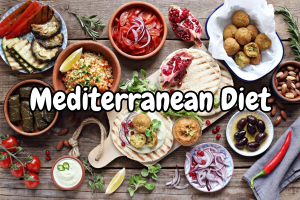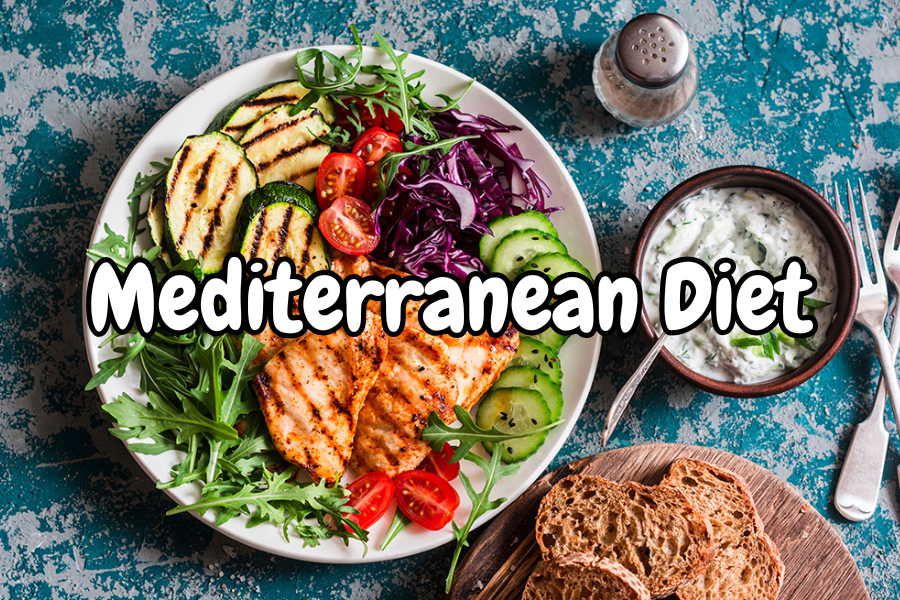
A Mediterranean diet is often described as one of the healthiest ways you can eat, especially for your heart. It focuses on simple, whole foods like vegetables, fruits, whole grains, beans, nuts, olive oil, and fish. When you follow this way of eating consistently, you give your heart the kind of everyday support that pills and quick fixes simply cannot match.
Below, you will see how the Mediterranean diet works, why it protects your heart, and how you can start using it to feel better and possibly lose weight at the same time.
Understand what the Mediterranean diet is
The traditional Mediterranean diet comes from countries that border the Mediterranean Sea. In the mid 20th century, people in these regions ate mostly plant-based foods, along with plenty of extra virgin olive oil, modest amounts of fish and poultry, and very little red meat or sweets. This way of eating has been linked to a lower risk of coronary artery disease and other chronic conditions as of 2024 (Cleveland Clinic).
Instead of focusing on strict rules or calorie counting, you focus on food quality and patterns. You cook at home more often, enjoy meals with others, and stay active with everyday movement like walking, which is part of many beginner-friendly plans (EatingWell).
In practical terms, you build your meals around:
- Vegetables and fruits
- Whole grains, like oats, brown rice, and whole wheat
- Beans and lentils
- Nuts and seeds
- Extra virgin olive oil
- Fish and seafood a few times a week
- Moderate amounts of poultry, eggs, and fermented dairy like yogurt or kefir
You limit red meat, sweets, sugary drinks, and highly processed foods (EatingWell, UC Davis Health).
Why the Mediterranean diet is so heart friendly
The Mediterranean diet is one of the most studied eating patterns in the world. Large reviews of both randomized controlled trials and long term observational studies show that people who follow a traditional Mediterranean diet have fewer cases of coronary heart disease, ischemic stroke, and total cardiovascular disease (PubMed).
Researchers have found that this way of eating improves cardiovascular outcomes enough to meet criteria for a causal relationship. In other words, it is very likely that eating this way directly helps protect your heart, rather than just happening to show up in healthy people by chance (PubMed).
Healthcare providers often recommend a Mediterranean style diet if you have risk factors like high blood pressure, high cholesterol, or a family history of heart disease (Cleveland Clinic). It is considered an ideal model for cardiovascular health because it is rich in minimally processed plant foods, has plenty of healthy monounsaturated fat from olive oil, and keeps saturated fat and red meat on the lower side (PubMed).
Key heart health benefits
Here is how the Mediterranean diet supports your heart on several fronts at once:
-
Healthier cholesterol levels
Extra virgin olive oil, nuts, and seeds provide monounsaturated and polyunsaturated fats that help raise HDL (the so called good cholesterol) and may lower LDL (the bad cholesterol) when you use them in place of saturated fats. EVOO is especially protective because it has more healthy unsaturated fats and antioxidants than regular olive oil, which can help shield your heart and brain from damage and inflammation (Cleveland Clinic). -
Lower inflammation
Chronic inflammation is linked to plaque buildup in your arteries. The Mediterranean diet is naturally anti inflammatory because it is full of colorful vegetables and fruits, whole grains, herbs, spices, and olive oil, all rich in antioxidants and plant compounds that help calm inflammation. -
Better blood pressure control
When you eat more potassium rich foods like leafy greens, beans, and fruit, and cut back on heavily processed, salty foods, your blood pressure can improve. The overall pattern of the Mediterranean diet supports healthier blood pressure levels without focusing on sodium alone (UC Davis Health). -
Improved blood vessel function
Olive oil, nuts, and fish help your blood vessels stay flexible and responsive. This makes it easier for your blood to flow and reduces strain on your heart. -
Lower risk of heart attack and stroke
The landmark PREDIMED trial in Spain showed robust evidence that a Mediterranean diet can cut the rate of major cardiovascular events, such as heart attacks and strokes, in people at high risk. Later analyses confirmed that small methodological issues did not change the overall benefits (PubMed).
How the Mediterranean diet can support weight loss
If you are also hoping to lose weight, the Mediterranean diet can be a steady, sustainable path rather than a quick fix. It does not rely on severe restriction, and that makes it easier to stick with for the long term.
Many Mediterranean style meal plans, including beginner friendly 7 day versions, are designed in the range of about 1,164 to 1,382 calories per day, with simple options to adjust closer to 1,500 or 2,000 calories if you need more energy (EatingWell). You can do this by adding nutrient dense foods such as whole wheat English muffins, almond butter, Greek yogurt, or unsalted dry roasted almonds.
The higher fiber content from whole grains, beans, lentils, and vegetables helps you feel full on fewer calories. Healthy fats from olive oil and nuts add satisfaction so you are less likely to over snack on processed foods. Over time, this combination can support gradual, steady weight loss, especially when you pair it with regular movement like walking (UC Davis Health).
Think of the Mediterranean diet as a flexible structure that guides your food choices, not as a strict rulebook that punishes you for small deviations.
What you eat more of and what you limit
To make this style of eating easy to picture, it helps to look at the Mediterranean diet pyramid. Unlike the 1990s U.S. food pyramid, which emphasized large servings of grains, the Mediterranean version highlights vegetables, fruits, whole grains, and extra virgin olive oil at the base. It encourages you to eat these daily and suggests that you limit red meat and sweets (Cleveland Clinic).
Here is a simple way to organize your plate over a week:
-
Base foods (every day)
Vegetables, fruits, whole grains, beans and lentils, nuts and seeds, herbs and spices, and extra virgin olive oil as your main added fat. -
Often, but in moderation
Fish and seafood a few times a week, along with poultry, eggs, and fermented dairy like yogurt or kefir in moderate portions (EatingWell). -
Occasionally
Red meat, highly processed meats, sugary desserts, pastries, and foods high in refined sugar, unhealthy fats, and sodium (UC Davis Health).
This pattern naturally pushes you toward foods that nourish your heart and away from foods that raise your risk of heart disease and type 2 diabetes.
Why extra virgin olive oil is a star ingredient
If there is one ingredient that defines the Mediterranean diet, it is extra virgin olive oil. EVOO is recommended as the main fat source because it contains more healthy unsaturated fats and higher levels of antioxidants compared to regular olive oil. These compounds help guard against heart disease, brain damage, and inflammation (Cleveland Clinic).
You can use EVOO in several simple ways: drizzle it over salads instead of bottled dressings, use it for roasting vegetables, stir it into cooked grains, and pair it with vinegar or lemon juice as a quick sauce for fish or chicken. Over time, replacing butter and other solid fats with EVOO can make a meaningful difference in your heart health.
Flexibility for your needs and preferences
One of the strengths of the Mediterranean diet is how adaptable it is. You can stay within this pattern even if you are vegetarian, gluten free, or dealing with food allergies.
If you prefer to avoid meat and fish, you can lean more on plant based proteins like beans, lentils, nuts, and seeds and still stay true to the Mediterranean approach (Cleveland Clinic). If you need to avoid gluten, you can choose naturally gluten free grains, such as brown rice, quinoa, or buckwheat, while keeping the focus on vegetables, fruits, legumes, and healthy fats.
Healthcare providers and dietitians can help you personalize a Mediterranean style plan to fit your health needs, preferences, and goals, which can improve both the benefits you see and how easy it is for you to stick with it (Cleveland Clinic).
Simple steps to get started
You do not need to change everything at once. Small, steady shifts can add up to real progress for your heart. UC Davis Health suggests beginning by gradually bringing in Mediterranean foods, such as using olive oil more often and adding extra vegetables, rather than trying to overhaul your entire routine overnight (UC Davis Health).
Here are a few practical changes you can try this week:
- Swap butter or margarine for extra virgin olive oil in your cooking and at the table.
- Add one extra serving of vegetables to lunch and dinner, even if it is as simple as a side salad or sliced cucumbers.
- Plan one or two fish based dinners, such as salmon with roasted vegetables or tuna tossed into a whole grain pasta.
- Replace a dessert or processed snack with a piece of fruit and a small handful of nuts.
- Cook at home one more night than usual, and invite family or friends to share the meal.
As you get comfortable, you can build toward a more complete Mediterranean style pattern, including a weekly meal rhythm that repeats simple breakfasts and lunches and relies on leftovers for easier dinners, a strategy that beginner plans often use to keep things realistic (EatingWell).
Bringing it all together for your heart
When you put the pieces together, the Mediterranean diet offers a powerful combination of heart protection, potential weight loss, and overall health benefits. It emphasizes whole, plant based foods and healthy fats that support your heart, brain, and blood vessels, and it limits the processed foods, red meat, and added sugars that work against your health (Cleveland Clinic, UC Davis Health).
You do not need perfection to benefit. If you start with one or two changes, such as cooking with extra virgin olive oil and adding beans or vegetables to your usual meals, you are already moving closer to a heart healthy Mediterranean pattern. From there, you can layer on more habits at a pace that fits your life, knowing that each small choice is another vote in favor of your heart health and long term well being.