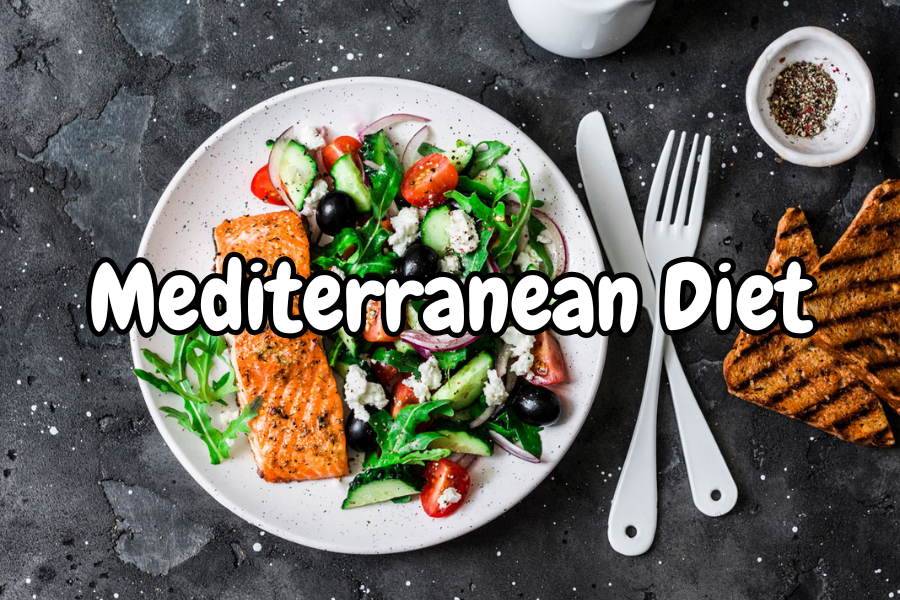
A Mediterranean diet and diabetes pair surprisingly well. Instead of counting every carb or cutting whole food groups, you focus on simple, satisfying meals that naturally support better blood sugar, weight loss, and long‑term health.
Below, you will see how this way of eating works with your body, what the research actually shows, and small steps you can start today without overhauling your entire routine.
Understand how the Mediterranean diet helps diabetes
At its core, the Mediterranean diet centers on vegetables, fruits, whole grains, beans, lentils, nuts, seeds, olive oil, and frequent seafood, with only small amounts of sweets and red meat. This pattern gives you fiber, healthy fats, and lean protein in almost every meal.
That mix matters if you are dealing with diabetes or prediabetes. High fiber slows digestion and the release of glucose into your bloodstream, which helps prevent sharp spikes after you eat. Healthy fats and protein help you feel full longer so you are less likely to overeat or reach for sugary snacks. Experts from the Mayo Clinic Diet explain that this combination of healthy fats, fiber rich carbohydrates, and lean protein improves insulin sensitivity and reduces inflammation, both key for blood sugar control (Mayo Clinic Diet).
The Mediterranean approach is also flexible. Instead of strict rules, you make gradual shifts toward home cooked meals, more plants, and fewer refined foods. That flexibility is one reason it tends to be easier to maintain over time compared with very low fat or very low carb plans (Mayo Clinic Diet).
See what the science says about Mediterranean diet and diabetes
If you like to know the “why” before changing how you eat, there is a solid body of research behind the Mediterranean diet and diabetes.
Large observational studies and clinical trials have found that:
- People who follow a Mediterranean style diet have about a 19% lower risk of developing type 2 diabetes over time compared with those who do not, especially in long term European studies (Nutrients).
- In the PREDIMED trial, older adults at high cardiovascular risk who followed a Mediterranean diet enriched with extra virgin olive oil or nuts cut their risk of developing type 2 diabetes by 52% compared with a low fat diet, even without specific calorie restriction or targeted weight loss (Nutrients).
- Among people who already have diabetes, sticking to a Mediterranean pattern can reduce HbA1c by roughly 0.3 to 0.5 percentage points and lower fasting glucose compared with low fat or control diets (Nutrients).
Other research focuses on people with metabolic syndrome, a cluster of conditions that significantly increase diabetes risk. A 2025 meta analysis of randomized controlled trials found that a Mediterranean diet lowered blood glucose levels, improved insulin resistance, and reduced waist circumference and BMI, all important for diabetes prevention (MDPI).
Finally, a major trial in Spain, PREDIMED Plus, looked at a Mediterranean style diet combined with calorie reduction and moderate physical activity. Among older adults with metabolic syndrome, this combination reduced the risk of developing type 2 diabetes by 31% over six years compared with a control group who followed a Mediterranean diet without extra calorie and exercise guidance (Harvard T.H. Chan School of Public Health).
Together, these findings suggest you are not just choosing a “healthy” pattern in theory. You are picking a way of eating that consistently shows real improvements in blood sugar control and diabetes risk in real people.
Compare Mediterranean diet and keto for diabetes
You might wonder how the Mediterranean diet stacks up against the ketogenic diet, especially since keto often gets attention for diabetes and weight loss.
A Stanford Medicine study that followed adults with type 2 diabetes or prediabetes from 2019 to 2020 directly compared a Mediterranean diet with a low carb ketogenic diet. Both groups improved blood glucose control and lost similar amounts of weight, about 7% with Mediterranean and 8% with keto (Stanford Medicine).
However, there were important differences:
- Participants found the Mediterranean diet easier to follow over time, while adherence dropped more in the keto group, especially once prepared meals were no longer provided (Stanford Medicine).
- LDL cholesterol, the “bad” kind, went up on keto but went down on the Mediterranean plan, suggesting a heart health advantage for the Mediterranean pattern (Stanford Medicine).
- Researchers did not see extra overall health benefits from completely removing legumes, fruits, and whole grains in the keto diet compared with simply limiting added sugars and refined grains on the Mediterranean diet (Stanford Medicine).
If your priority is sustainable blood sugar control that also supports your heart, the evidence points you toward a Mediterranean style pattern as a more realistic long term choice.
Focus on foods that work for your blood sugar
You do not need a gourmet kitchen to eat this way. Start by emphasizing the food groups that do the most for your blood sugar and overall health.
Lean into plants and whole grains
Vegetables, fruits, whole grains, and legumes are the backbone of the Mediterranean diet and diabetes friendly meals.
Non starchy vegetables like leafy greens, peppers, tomatoes, cucumbers, eggplant, and broccoli can fill half your plate at lunch and dinner. They are very low in carbohydrates and very high in fiber, so they support stable blood sugar. High fiber plant foods such as whole grains, beans, and lentils slow digestion and help prevent quick glucose spikes after you eat (EatingWell).
Whole grains such as oats, barley, quinoa, farro, and whole wheat couscous or pasta provide carbohydrates with more fiber and nutrients than refined options. When you choose these instead of white bread, white rice, or pastries, you keep your blood sugar steadier over the course of the day.
Choose healthy fats and lean protein
Extra virgin olive oil is the primary fat in the Mediterranean diet. It provides monounsaturated fats and antioxidant rich compounds that may improve insulin sensitivity and reduce inflammation (Nutrients). Nuts and seeds offer similar benefits, along with a bit of protein and fiber.
Seafood, especially fatty fish like salmon, sardines, and mackerel, supplies protein and omega 3 fats. These help with satiety and heart health, which is crucial since diabetes raises your cardiovascular risk. For other protein sources, lean poultry and eggs are common, while red meat and processed meats are limited.
Fermented dairy like yogurt or kefir, in modest portions, can also fit into this pattern, especially when you choose unsweetened versions.
Limit fast acting sugars and refined grains
You do not have to avoid carbohydrates entirely. Instead, you focus on the quality and the pace at which they hit your bloodstream.
Refined grains such as white bread, white rice, and many packaged snack foods tend to digest quickly and raise blood sugar faster. Sugary drinks, desserts, and candy do the same. A Mediterranean style pattern keeps these to occasional treats and centers your regular meals on slower digesting, higher fiber carbohydrates instead (EatingWell).
Build simple Mediterranean meals for blood sugar control
The easiest way to put this into practice is to think in terms of a plate, not a strict calorie count or macro ratio. A common Mediterranean style plate that supports diabetes management looks like this:
- About half filled with non starchy vegetables
- About one quarter filled with whole grains or starchy vegetables
- About one quarter filled with lean protein
- A drizzle of olive oil, a sprinkle of nuts or seeds, or a small serving of avocado for healthy fat
For example:
- Breakfast: Plain Greek yogurt topped with berries, a spoonful of chopped nuts, and a sprinkle of oats.
- Lunch: Salad with mixed greens, chickpeas, tomatoes, cucumbers, olives, a small portion of feta, and an olive oil vinaigrette, plus a slice of whole grain bread.
- Dinner: Baked salmon, a side of roasted vegetables, and a small serving of quinoa dressed with olive oil and herbs.
If you are aiming for weight loss as well as better blood sugar, you can adapt the Mediterranean pattern to a modest calorie deficit, often around 1,200 to 1,500 calories per day for many adults, depending on your size and activity level. Plans in this range tend to support a steady weight loss of about 1 to 2 pounds per week in type 2 diabetes, especially when combined with movement and other lifestyle changes (EatingWell).
Support your results with movement and routine
A Mediterranean diet does some heavy lifting on its own, but it works even better when paired with regular physical activity and a bit of structure.
In the PREDIMED Plus trial, people who combined a Mediterranean style eating pattern with calorie reduction and moderate exercise, along with professional support, reduced their risk of type 2 diabetes by nearly one third and lost more weight compared with those who only followed a Mediterranean diet without these extra steps (Harvard T.H. Chan School of Public Health).
You can borrow the same principles by:
- Walking most days of the week, even if you start with 10 to 15 minutes.
- Doing simple strength exercises a couple of times per week.
- Planning a few Mediterranean style meals in advance so you are not scrambling when you are hungry.
Consistency matters more than perfection. Even small, steady changes in how you eat and move can gradually improve insulin sensitivity, waist circumference, and long term blood sugar markers.
One helpful mindset shift is to see the Mediterranean diet not as a short term “plan” but as a template for everyday eating that you can bend around your budget, culture, and preferences.
Start with small, realistic changes
You do not have to overhaul your pantry overnight. Choose one or two starting points, then build from there as they begin to feel normal.
For the next week, you might try:
- Swapping one refined grain for a whole grain, such as brown rice for white or whole grain bread for white bread.
- Adding an extra serving of vegetables to lunch or dinner.
- Using olive oil instead of butter in your cooking whenever you can.
- Replacing one sugary drink per day with water, sparkling water, or unsweetened tea.
- Choosing nuts or fruit with a bit of cheese or yogurt instead of highly processed snacks.
As you notice your favorite combinations and easy go to meals, this pattern becomes less like a “diet” and more like your new normal. Over time, the research suggests that this everyday pattern can help manage your blood sugar, support weight loss, and lower your risk of complications.
If you live with diabetes or prediabetes, always keep your healthcare team in the loop as you make changes. Medication needs can shift as your blood sugar improves, and your doctor or dietitian can help you tailor a Mediterranean style approach to your specific health goals and lab results.