A Mediterranean style of eating is one of the easiest healthy patterns to stick with, and Mediterranean diet snacks are a big reason why. Instead of ultra-processed bars or sugary treats, you focus on simple foods like nuts, fruit, yogurt, and chickpeas that keep you full and energized between meals.
You do not need complicated recipes or specialty ingredients. With a few go to ideas, you can stock your kitchen with snacks that support weight loss, steady energy, and long term health.
Understand what makes a Mediterranean snack
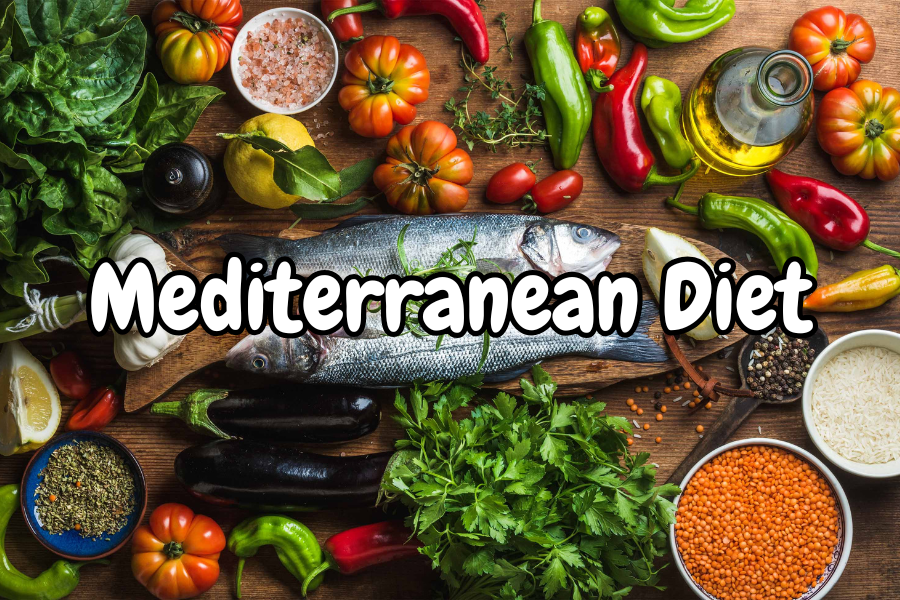
Before you change what is in your pantry, it helps to know what counts as a Mediterranean diet snack. The Mediterranean diet centers vegetables, fruits, whole grains, legumes, nuts, and healthy fats like extra virgin olive oil, with moderate dairy, fish, and eggs and smaller amounts of red meat and sweets (The Mediterranean Dish).
Your snacks simply echo that pattern in mini form. Think of each one as a small, balanced plate that includes at least two of these:
- Fiber (from fruit, vegetables, whole grains, beans, or lentils)
- Protein (from Greek yogurt, cottage cheese, eggs, nuts, seeds, or legumes)
- Healthy fats (from nuts, seeds, olives, avocado, or olive oil)
This combination helps you stay satisfied longer and prevents blood sugar spikes that leave you tired and craving more food. Many Mediterranean snacks naturally hit these marks and are low in processed sugar, which supports weight management and heart health over time (Whole Lotta Yum).
Build no recipe needed snacks
Some of the best Mediterranean diet snacks are the ones you can throw together in a minute or two. You probably have many of these basics on hand already.
Start with simple pairings that give you protein, fiber, and healthy fats in one small plate or bowl.
Fresh fruit with something creamy or crunchy
Fresh fruit is a classic Mediterranean choice, and you can upgrade it slightly to keep you fuller longer.
Try combinations like:
- Apple slices with a tablespoon of almond butter
- Orange wedges with a small handful of unsalted pistachios
- Berries stirred into a serving of plain Greek yogurt
Greek yogurt is naturally lower in sugar and high in protein, and a 5 ounce serving with fresh fruit makes a satisfying snack that keeps you full (The Mediterranean Dish).
Nuts, seeds, and dried fruit
A small portion of nuts and dried fruit is both portable and filling. Choose unsalted nuts for their mix of fiber, protein, and heart healthy fats, then add a hint of sweetness from dried fruit.
Unsalted nuts provide antioxidants, omega 3 fatty acids, and enough protein to act as a standalone snack and pairing a small handful with a couple of dried figs or dates adds natural sweetness and energy without relying on refined sugar (The Mediterranean Dish).
Dried figs in particular fit the Mediterranean pattern well. They are a natural, sugar free sweet treat that comes with fiber, potassium, and calcium, and including just four figs a day can support measurable health benefits (Valley Fig).
Simple savory plates
If you prefer something salty over sweet, build a small mezze style plate:
- Sliced bell pepper and cherry tomatoes
- A spoon or two of hummus or cottage cheese dip
- A few olives or a drizzle of extra virgin olive oil over the vegetables
Mediterranean snacks often rely on whole, minimally processed ingredients like olives, hummus, Greek yogurt, feta, and crunchy vegetables, then add flavor with herbs, spices, and olive oil rather than heavy sauces or sugar (Whole Lotta Yum).
Make protein rich dips and spreads
Dips are a smart focus when you build Mediterranean diet snacks. They are easy to prep once and use all week for vegetables, whole grain crackers, or toast. They also help you hit your protein goals without a lot of effort.
Classic hummus with vegetables or toast
Legumes like beans and chickpeas are naturally rich in plant based protein and fiber and low in fat, which makes them perfect for filling snacks (The Mediterranean Dish). Hummus is the easiest way to enjoy them.
You can:
- Scoop hummus with carrot sticks, cucumber, or bell pepper
- Spread it on whole grain toast and top with sliced tomato
- Use it as a base for a small snack bowl with olives and chopped herbs
If you enjoy variety, try a roasted red pepper version or add spices like cumin or smoked paprika.
Yogurt and cottage cheese based dips
Greek yogurt and cottage cheese give you a creamy base without much added sugar. They also come packed with protein and probiotics.
You can stir herbs, garlic, or lemon into plain yogurt for a quick tzatziki style dip or blend cottage cheese with fresh herbs for a simple savory spread. Pair these dips with whole wheat pita, grain crackers, or sliced vegetables for an easy, balanced snack (Valley Fig).
Think of dips as your Mediterranean “snack anchor.” Once they are in your fridge, you only need to add vegetables, a piece of fruit, or a few nuts to have something ready in a minute.
Try easy roasted and crunchy bites
If you enjoy something crunchy in the afternoon or at night, the Mediterranean diet still has you covered. Instead of chips, you can lean on roasted beans, seeds, and nuts that give you texture and satisfaction.
Roasted chickpeas and beans
Roasted chickpeas are a staple in many Mediterranean snack roundups. They are high in fiber and plant based protein, which makes them more filling than typical crackers or chips.
Options include ranch roasted chickpeas seasoned with garlic powder, onion powder, and dried herbs, which are ideal for eating by the handful or sprinkling on salads and soups (EatingWell). Everything bagel crispy chickpeas are another flavorful version, and removing the chickpea skins before roasting can make them extra crunchy (EatingWell).
You can keep the seasoning simple with olive oil, salt, and pepper or go bold with harissa or za’atar for a more traditional Mediterranean flavor profile (The Mediterranean Dish).
Seeds and nuts with a twist
Seeds and nuts are already nutrient dense snacks, but a quick roast can make them even more tempting.
Salt and vinegar pumpkin seeds, for instance, pack a flavorful punch, and soaking the seeds in vinegar before roasting helps the tangy flavor stick (EatingWell). Spiced roasted walnuts offer crunch plus omega 3 fats, and warming spices like cinnamon and ginger make them delicious on their own or as a topping for salads and yogurt bowls (EatingWell).
Keep your portions to a small handful since nuts and seeds are calorie dense, but you can feel good knowing you are getting healthy fats that support heart and brain health (Cleveland Clinic).
Better for you “chips”
If you want something that feels like chips without the deep frying, kale chips can fill the gap. When you bake them with a little olive oil and seasoning, you get a crisp snack that even non kale fans may enjoy, as long as you avoid overcrowding the pan so they crisp instead of steam (EatingWell).
Prep grab and go energy snacks
Life does not always allow time to slice vegetables or assemble a plate. Having a few pre made Mediterranean diet snacks in your fridge or bag keeps you from relying on vending machines and drive through windows.
Energy balls and bars
Energy balls and homemade bars travel well and usually hit all three targets: fiber, protein, and healthy fats.
High protein energy bars that use tahini, oats, apricots, figs, and a touch of maple syrup offer a convenient, nutrient dense option for busy days (EatingWell). Cranberry almond energy balls made with oats, dates, tahini, and nuts combine sweetness with a hint of bitterness, which keeps them from tasting like candy while still satisfying a sweet tooth (EatingWell).
Energy balls can also highlight classic Mediterranean ingredients like dried figs, chia seeds, almond butter, and dark chocolate. They are ideal for pre or post workout snacks, travel, or lunchboxes (Valley Fig).
Yogurt bowls and light dairy snacks
Dairy plays a moderate role in the Mediterranean diet, so you can absolutely include it in your snacks.
A simple option is cottage cheese with raspberry honey. It combines protein rich dairy with fruit and a sprinkle of sunflower seeds for crunch and healthy fat, giving you a light snack that still provides steady energy (EatingWell).
You can repeat that formula with Greek yogurt. Top a small serving with fresh fruit, a few chopped nuts, and maybe a drizzle of honey if you want extra sweetness. This mix delivers protein, fiber, and fat in a format that feels like dessert but acts like a balanced snack (The Mediterranean Dish).
Use snacks to support weight loss
If weight loss is one of your goals, Mediterranean diet snacks can be a real ally. Instead of cutting snacks entirely, which often leads to overeating later, you can choose options that keep you fuller longer and help control cravings.
The Mediterranean pattern encourages snacks that are low in calories but contain at least 3 grams of fiber per serving, which makes them ideal for grazing while still supporting weight loss (EatingWell). Most Mediterranean snacks naturally emphasize whole foods that are high in protein, fiber, and healthy fats and low in processed sugar, so they fit this pattern comfortably (Whole Lotta Yum).
Portion control matters too. Nuts, seeds, dried fruit, and energy balls are good for you, but they are also dense in calories. Pre portioning them into small containers or bags helps you stay mindful. The Mediterranean approach also encourages you to prepare snacks ahead of time so they are ready when hunger hits, and that one habit alone can make it much easier to stay on track (Cleveland Clinic).
Plan and prep a week of snacks
To make this style of snacking part of your routine, give yourself a short prep session each week. An hour on Sunday can save you time and decision fatigue every day.
You might:
- Roast a tray of chickpeas or walnuts
- Mix a batch of energy balls with oats, nuts, and dried figs
- Chop carrots, cucumbers, and peppers and store them in water in the fridge
- Portion nuts, seeds, and dried fruit into small containers
- Stir together a simple yogurt or cottage cheese dip
Mediterranean diet snacks are meant to be both nutritious and ready to eat when you need them, which fits neatly into a busy lifestyle focused on real food rather than strict rules (Cleveland Clinic).
Start by adding one new Mediterranean snack to your day this week, then build from there. Over time, those small choices can add up to better energy, easier weight management, and a way of eating that feels more like a pleasure than a diet.