A smart paleo diet grocery list makes it much easier to lose weight without feeling deprived. By stocking your kitchen with the right foods and skipping the ones that work against your goals, you set yourself up for simple, satisfying meals all week.
Below, you will find a complete paleo shopping guide tailored to weight loss. You will see exactly what to put in your cart, what to leave on the shelf, and how to turn those foods into real meals you will actually want to eat.
What a paleo diet focuses on
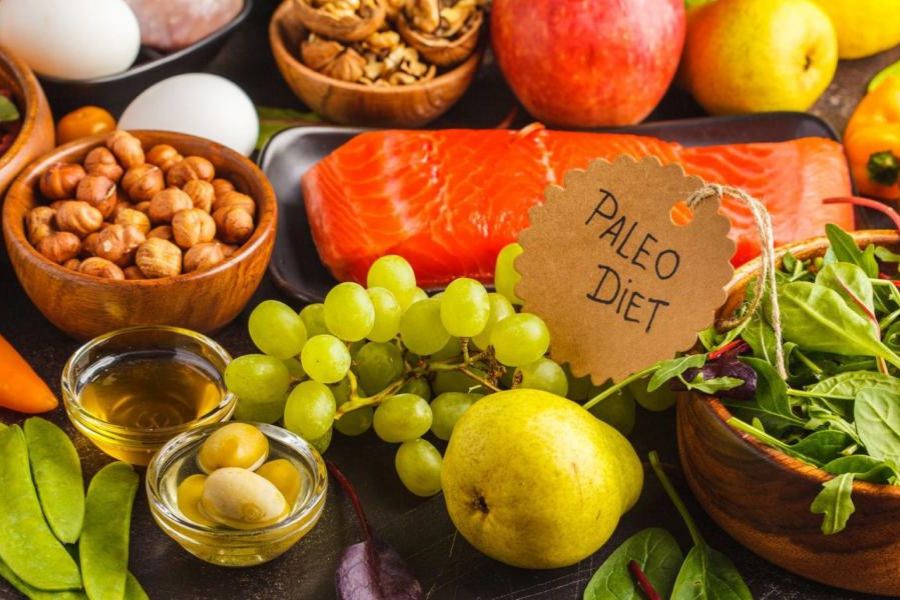
The paleo diet centers on foods your hunter gatherer ancestors could realistically hunt or gather. You focus on whole, minimally processed foods like meat, seafood, vegetables, fruits, nuts, seeds, eggs, and certain natural oils, while avoiding grains, legumes, dairy, and ultra processed foods (EatingWell).
For weight loss, that means your paleo diet grocery list should:
- Prioritize lean, high quality protein
- Load up on non starchy vegetables
- Include modest portions of fruit
- Use healthy fats, but in controlled amounts
- Skip foods that spike blood sugar or encourage overeating
You are not counting every calorie, but you are choosing foods that naturally keep you full on fewer calories.
Foods to avoid on a paleo diet
It helps to start with what does not belong in your cart. The paleo diet removes many modern staples that can make weight loss harder.
You will want to avoid:
- Processed foods like chips, packaged cookies, frozen dinners, and sugary cereals
- Grains such as wheat, oats, rice, corn, and products made from them, including bread and pasta
- Dairy products like milk, cheese, yogurt, and ice cream
- Legumes, including beans, lentils, soy, and peanuts
- Refined sugar, sugary drinks, candy, pastries, and most store bought desserts
- Artificial sweeteners and heavily processed vegetable oils (EatingWell, Healthline)
Some people following paleo choose to include small amounts of white rice, but traditional approaches still avoid it, especially for weight loss (Kevin’s Natural Foods).
Build your cart around protein
Protein is the backbone of a paleo diet grocery list for weight loss. It helps you feel full, supports muscle, and keeps blood sugar more stable, which all work in your favor.
Meat and poultry
Look for high quality, minimally processed options. Grass fed and pasture raised meats are preferred in paleo because they are leaner and richer in omega 3 fats that support heart health and help reduce inflammation (EatingWell).
Good choices include:
- Grass fed ground beef, steaks, and roasts
- Grass fed lamb
- Pasture raised pork, such as pork shoulder, chops, and tenderloin
- Organic or pasture raised chicken, turkey, duck, and goose (Whole Foods Market, Nerd Fitness)
For weight loss, you can favor leaner cuts like ground beef with a lower fat percentage, chicken breast, and turkey, while still including some fattier cuts for flavor.
Seafood
Seafood is a powerful ally for both heart health and weight management. Paleo guidelines emphasize wild caught varieties when possible, since they tend to be richer in beneficial fats (Nerd Fitness).
Look for:
- Wild caught salmon, cod, and shrimp
- Tuna, sardines, and mackerel, fresh or canned in water or olive oil
- Other wild caught fish or responsibly sourced seafood like scallops or swordfish (Whole Foods Market)
Keeping a few cans of wild salmon or tuna in your pantry makes quick high protein meals much easier.
Eggs
Eggs are a classic paleo staple. Choose pasture raised or organic eggs when you can for better fat quality and nutrient content. Hard boiled eggs also make an easy portable snack that fits your plan (Healthline).
Ready to eat protein snacks
To stay on track when you are busy, it helps to have grab and go protein options in your cart:
- Pasture raised turkey sticks
- Unsweetened beef or salmon jerky
- Shelf stable bone broth that you can sip hot (Whole Foods Market, Healthline)
These help you avoid vending machines and keep cravings in check.
Fill half your cart with vegetables
Non starchy vegetables should make up a big portion of your grocery list. They are low in calories, high in fiber, and very filling, which is perfect for weight loss.
Paleo friendly options include almost all vegetables, such as:
- Leafy greens like spinach, kale, and lettuce
- Cruciferous vegetables like broccoli, cauliflower, and Brussels sprouts
- Asparagus, zucchini, green beans, bell peppers, and mushrooms
- Carrots, onions, tomatoes, and cucumbers
Guides from Nerd Fitness and Whole Foods Market highlight asparagus, broccoli, spinach, kale, carrots, and sweet potatoes among many others as ideal paleo choices (Nerd Fitness, Whole Foods Market).
Sweet potatoes and other starchy vegetables are still paleo, but if weight loss is your priority you will want to watch portions, since they are more calorie dense.
Precut veggie packs can be worth the extra cost if they help you eat more vegetables. Whole Foods Market suggests celery sticks, carrots, cucumber, cauliflower, and broccoli with a paleo friendly dip or dressing like avocado oil ranch for simple snacks (Whole Foods Market).
Choose fruit strategically for weight loss
Fruit is absolutely part of a paleo diet, but some options are better than others when you are focused on losing weight. Modern cultivated fruits, especially very sweet ones like large bananas, can be higher in sugar than what your ancient ancestors would have eaten daily (Kevin’s Natural Foods).
You can prioritize:
- Berries such as strawberries, blueberries, raspberries, and blackberries
- Citrus fruits like lemons, limes, and oranges
- Apples, pears, and kiwi in moderate portions
If you are trying to reduce sugar, the Nerd Fitness list recommends lower sugar fruits like lime, lemon, and cranberry and suggests minimizing dried fruits and juices for weight loss (Nerd Fitness).
For a sweet treat that still fits your plan, you might add a bag of unsweetened dried mango slices, like the 365 Organic Mango Slices mentioned by Whole Foods, and use them in small amounts as a dessert or hiking snack (Whole Foods Market).
Stock healthy fats, but keep them in check
Healthy fats keep you full and support hormones and brain function. In a paleo diet grocery list, they show up as oils, whole foods like avocados, and nuts and seeds.
Cooking oils and pantry fats
Paleo friendly oils come directly from plants or animals with minimal processing. EatingWell and Whole Foods highlight these as core pantry items (EatingWell, Whole Foods Market):
- Extra virgin olive oil
- Avocado oil
- Coconut oil
- Ghee and animal fats such as tallow in small amounts
- Walnut, macadamia, or flaxseed oil for salad dressings
For weight loss, you want to measure your fats instead of pouring freely. A tablespoon or two for cooking or dressing is usually plenty.
Nuts, seeds, and nut butters
Nuts were an important source of energy for your ancestors and they are still a smart choice when you need a filling snack. They provide a mix of fat, fiber, protein, vitamins, and minerals (Kevin’s Natural Foods).
You can add:
- Almonds, walnuts, pecans, pistachios, and cashews
- Sunflower seeds, pumpkin seeds, and chia seeds
- Almond butter, cashew butter, and sunflower seed butter
Peanuts do not qualify, because they are legumes rather than nuts, so you will leave peanut butter out of your cart (EatingWell).
Because nuts and nut butters are calorie dense, it helps to portion them out into small containers rather than snacking straight from the bag. A small handful of 365 Roasted Salted Pistachios, for example, makes a crunchy, satisfying paleo friendly snack without going overboard (Whole Foods Market).
Smart paleo pantry staples
A well planned pantry keeps your meals interesting and cuts down on last minute takeout. Paleo friendly staples from Whole Foods Market’s grocery list include (Whole Foods Market):
- Bone broth, either shelf stable or frozen
- Coconut aminos as a soy sauce alternative
- Apple cider vinegar and balsamic vinegar
- Almond flour, coconut flour, and other nut based flours
- Arrowroot starch for thickening sauces
- Unsweetened coconut milk in cans or cartons
- Alternative sweeteners like stevia or monk fruit in small amounts
These basics let you make sauces, grain free coatings, and simple baked goods that still fit your goals.
You can also keep a few paleo friendly convenience foods on hand, such as:
- Guacamole or mashed avocado
- Salsa with no added sugar
- Grain free chips cooked in avocado or coconut oil for occasional use
- Paleo style protein bars that avoid peanuts, grains, and dairy (Whole Foods Market, Healthline)
Easy paleo snacks that support weight loss
If you do not plan for snacks, you are more likely to grab something that does not fit your goals. Using ideas from Whole Foods Market and Healthline, you can build a simple snack section into your paleo diet grocery list (Whole Foods Market, Healthline).
Here are a few combinations you might shop for:
- Celery sticks and baby carrots with no sugar added almond butter
- Precut veggie trays with avocado oil ranch dressing
- Hard boiled eggs with a small piece of fruit
- Turkey sticks and a handful of nuts
- Coconut yogurt made without dairy or added sugar, topped with berries and chia seeds
- Bone broth in a mug when you want something warm and savory
You can also experiment with paleo style “oatmeal” made from coconut milk, almond flour, shredded coconut, ground flaxseeds, and coconut oil. It gives you a comforting breakfast or snack without grains (Healthline).
A good rule of thumb: if a snack looks like it came directly from a plant or an animal, and it has few or no ingredients on the label, it probably fits your paleo plan.
Sample paleo grocery list for weight loss
To make this concrete, here is how a weekly paleo diet grocery list might look when your main goal is weight loss. You can adjust the amounts based on how many people you are feeding.
- Protein: grass fed ground beef, organic chicken breasts and thighs, wild caught salmon fillets, canned wild salmon or tuna, pasture raised eggs, pasture raised turkey sticks, unsweetened beef jerky, bone broth
- Vegetables: spinach, kale, mixed salad greens, broccoli, cauliflower, asparagus, zucchini, bell peppers, carrots, celery, onions, sweet potatoes in modest quantity
- Fruit: berries, lemons and limes, a few apples or pears
- Fats: extra virgin olive oil, avocado oil, coconut oil, ghee, avocados, almonds, walnuts, sunflower seeds, almond butter
- Pantry: coconut aminos, apple cider vinegar, salsa without added sugar, coconut milk, almond flour, arrowroot starch, stevia or monk fruit
- Snacks: precut veggie packs, guacamole, coconut yogurt, 365 Organic Mango Slices used sparingly, 365 Roasted Salted Pistachios in small portions (Whole Foods Market)
With these basics on hand, you can easily pull together simple meals like roasted chicken with broccoli, salmon with asparagus, taco seasoned ground beef over lettuce, or veggie packed egg scrambles.
Putting your list into action
You do not need to overhaul your kitchen in one day. You can start by printing or saving your paleo diet grocery list, then use it to guide your next shopping trip.
Here is a practical way to begin:
- Choose one category to upgrade this week, such as protein or snacks.
- Replace non paleo items in that category with options from the lists above.
- Add one easy meal or snack to your rotation, like roasted vegetables with chicken or celery sticks with nut butter.
Each small step makes the next one easier. When your fridge and pantry are filled with foods that already fit your paleo and weight loss goals, daily choices become much simpler.