A paleo diet is often promoted for weight loss and better energy, but you might also hear that it can help with autoimmune disease. If you live with Hashimoto’s, rheumatoid arthritis, inflammatory bowel disease, or another autoimmune condition, it is natural to wonder whether changing how you eat can calm your symptoms.
Below, you will learn what researchers currently know about the paleo diet and autoimmune disease, how the autoimmune paleo (AIP) diet works, and practical steps to decide if this approach is right for you.
Understand autoimmune disease and diet
Autoimmune diseases happen when your immune system mistakenly attacks your own tissues. This can lead to joint pain, gut issues, fatigue, skin rashes, thyroid problems, and many other symptoms, depending on which organs are involved.
Diet is not the cause of autoimmune disease, and it is not a stand‑alone cure. However, there is growing evidence that what you eat can influence inflammation, gut health, and how active your immune system is. Disturbances in the gut microbiome from processed foods, toxins, antibiotics, and chronic stress may help trigger autoimmune processes in some people (Mindd).
This is where paleo and autoimmune paleo diets come in. They focus on nutrient‑dense whole foods and the removal of common irritants to give your gut and immune system a calmer environment.
What the paleo diet involves
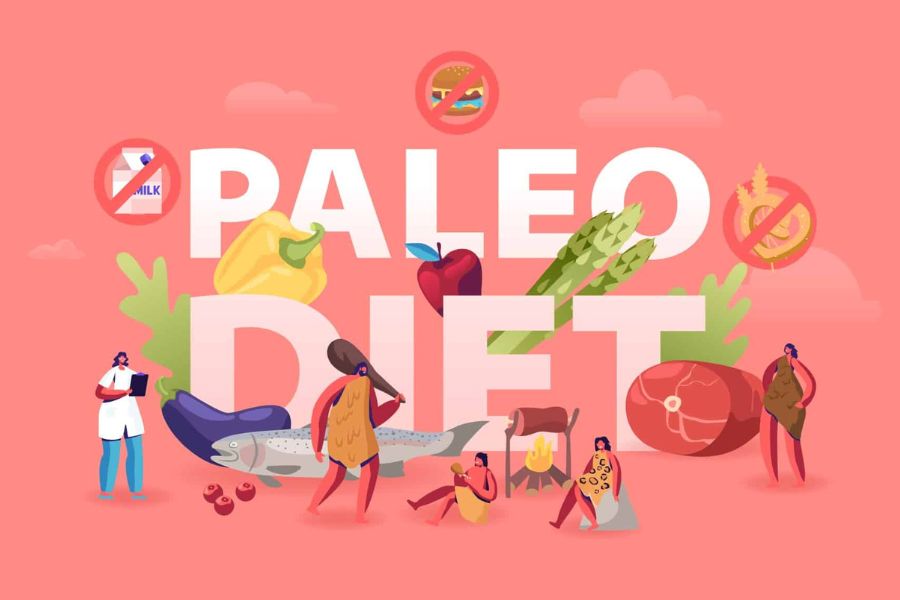
The standard paleo diet is modeled on the idea of eating in a way that is similar to early human diets. In practice, this means you focus on:
- Vegetables and fruits
- Meat, poultry, and fish
- Healthy fats like olive oil and avocado
- Nuts and seeds
- Minimal processed foods and added sugars
You avoid grains, legumes, most dairy, and highly processed foods. Both the standard paleo diet and the autoimmune paleo diet are built around anti‑inflammatory, nutrient‑dense whole foods that support gut health and immune regulation (Dr. Emily Parke).
For general health and weight loss, this alone can be a big shift in the right direction. For autoimmune disease, though, some people need a stricter approach.
How the autoimmune paleo (AIP) diet is different
The autoimmune paleo diet (often shortened to AIP) is a more targeted version of paleo created specifically for autoimmune conditions. It is both an elimination and reintroduction protocol, not meant to be a forever diet (Mindd).
You still eat whole, unprocessed foods, but the AIP elimination phase removes more potential immune triggers. Compared with standard paleo, AIP also cuts out:
- Eggs
- Nuts and seeds
- Nightshade vegetables such as tomatoes, eggplant, and peppers
- Coffee and alcohol
- Some spices and food additives
In other words, AIP takes the paleo framework and extends it with a stricter elimination phase that excludes grains, legumes, nightshades, nuts, seeds, eggs, coffee, and alcohol. The goal is to then carefully reintroduce foods and identify which ones flare your symptoms (NCBI – Metabolism Open).
During the elimination phase, you focus on:
- Vegetables, excluding nightshades
- Lean meats and fish
- Fruits in moderate amounts
- Fermented foods
- Gut‑supportive options like bone broth
This setup is designed to reduce gut inflammation, heal the gastrointestinal tract, and lower overall systemic inflammation for autoimmune disease management (Mindd).
What research says about paleo and autoimmune disease
Research in this area is still developing, but there are some encouraging findings.
Paleo‑style diets and autoimmune thyroid disease
A 2023 systematic review looked at Paleolithic diet interventions for adults with autoimmune thyroid disease, including Hashimoto’s thyroiditis and Graves’ disease (PubMed). The review included eight studies that used paleo or ancestral style diets for 8 to 60 weeks, mostly in women.
All of the included studies showed some clinical improvement in autoimmune thyroid disease. One study showed significant improvement, and two case studies even reported resolution of autoimmune thyroid disease after following a paleo or ancestral diet (PubMed).
The review concluded that ancestral‑style foods, combined with targeted supplements, exercise, and mindfulness practices, along with excluding many modern processed foods, can have a considerable impact on lowering thyroid antibodies and improving thyroid hormone profiles in these patients (PubMed).
AIP and autoimmune conditions
Several sources highlight that the autoimmune protocol diet is designed to reduce inflammation and pain associated with autoimmune conditions such as lupus, celiac disease, inflammatory bowel disease, and rheumatoid arthritis. Many people report improvements in fatigue and gut or joint pain (Green Chef).
A 2024 review from researchers at the University of Thessaly describes AIP as a personalized elimination diet that focuses on gut health and immune regulation. Clinical trials in conditions like Hashimoto thyroiditis, inflammatory bowel disease, and rheumatoid arthritis found that AIP can improve quality of life and disease‑related symptoms, although the evidence is still preliminary and sometimes conflicting when it comes to lab markers such as thyroid hormone levels and inflammatory markers (NCBI – Metabolism Open).
Other reports note that following the AIP diet and emphasizing whole, minimally processed foods has been linked with better bowel movement frequency, reduced stress, and improved quality of life in people with inflammatory bowel disease, sometimes within about three weeks (Nourish).
The bottom line so far is that paleo and AIP patterns look promising for symptom control and general well‑being in autoimmune disease, but they are not yet considered standard medical treatment. More large, long‑term, controlled studies are needed.
How the AIP elimination phase works
If you choose to try the autoimmune paleo approach, you begin with a strict elimination phase. This usually lasts from 30 to 90 days, although some sources mention 3 weeks up to 90 days (Green Chef, Mindd).
During this time, you avoid:
- Grains and legumes
- Dairy and processed foods
- Nightshade vegetables such as eggplant, peppers, and tomatoes
- Eggs
- Nuts and seeds
- Coffee and alcohol
- Food additives and processed snack foods
For example, egg whites are excluded even though they are technically paleo friendly. The protein lysozyme in egg whites can cross the gut barrier and may lead to a heightened inflammatory immune response in sensitive people. Egg yolks can also be a problem for some, but are often better tolerated when they are eventually reintroduced (The Paleo Diet).
Nightshades are also removed because compounds like lectins, saponins, and capsaicin may irritate the gut and worsen autoimmune symptoms in some people. There is still debate about how inflammatory they are in general, which is why they are usually tested later during reintroduction (The Paleo Diet).
Even bananas may be taken out at first, because the pulp of ripe bananas contains a thaumatin‑like protein that might act like a lectin and is associated with allergic reactions in some people with autoimmune conditions (The Paleo Diet).
The idea is not that these foods are “bad” for everyone. Instead, the goal is to remove a wide range of possible irritants for a short time so you can see whether your symptoms improve in a calmer environment. One practitioner notes that the immune response to a triggering food can take about 23 days to calm down by half, which is why the initial reset is often at least 30 days (Dr. Emily Parke).
Why reintroduction is essential
AIP is always meant to have a reintroduction phase. After your elimination period, you bring back foods one at a time while carefully watching for symptom flare‑ups.
According to several sources, this reintroduction stage allows you to:
- Identify which foods cause clear problems for you personally
- Expand your diet as much as possible without triggering symptoms
- Avoid staying on an unnecessarily restrictive pattern long term
For example, you might start with egg yolks and leave egg whites for later, or test cooked nightshade vegetables in small amounts. Some people discover that they tolerate many previously removed foods, while a few items clearly worsen joint pain, rashes, gut symptoms, or fatigue.
Both Green Chef and NCBI – Metabolism Open describe this elimination followed by cautious, systematic reintroduction as the core of how the AIP diet works. It is not about never eating certain foods again, it is about learning which ones are worth limiting for you.
Potential benefits you might notice
If you follow a paleo or AIP pattern correctly, you may experience several improvements, especially if your previous diet was high in processed foods.
Possible benefits include:
- Less joint pain and stiffness
- Calmer digestion and more regular bowel movements
- Reduced bloating and abdominal discomfort
- More stable energy and less “crash” fatigue
- Clearer skin or fewer rashes
- Gentle weight loss if you were overeating refined carbs and snacks
Studies and clinical reports suggest that AIP can decrease systemic inflammation, help modulate the immune system, and improve quality of life in autoimmune conditions (Dr. Emily Parke, NCBI – Metabolism Open). People with inflammatory bowel disease have reported better bowel function and less stress within a few weeks of starting AIP (Nourish).
Remember that your experience may be different from someone else’s. Some people see dramatic change, others notice more subtle shifts or need additional medical or lifestyle strategies alongside diet.
Paleo and AIP are best viewed as tools to support your autoimmune care plan, not replacements for prescribed medications or monitoring.
Risks, limitations, and when to be cautious
Because autoimmune paleo is quite restrictive in its early phase, it comes with some downsides that you should weigh carefully.
A 2024 review highlighted several important limitations of AIP (NCBI – Metabolism Open):
- Possible nutrient deficiencies, especially folate, vitamin B12, riboflavin, vitamin D, and calcium
- A risk of gastrointestinal complications in people with conditions like ileal strictures
- Social challenges and potential isolation from strict dietary rules
- Lack of long‑term safety data
- The need for expert guidance during both elimination and reintroduction
Other sources emphasize that AIP may not be appropriate for everyone and should be used with healthcare provider guidance, especially if you already have nutritional deficiencies, a history of disordered eating, or a very low body weight (Dr. Emily Parke).
Working with a registered dietitian who specializes in autoimmune health can help you:
- Plan balanced meals that meet your nutrient needs
- Decide which supplements, if any, make sense for you
- Adjust the protocol to your lifestyle and medical situation
- Transition off the strict phase safely when ready
Nourish notes that partnering with a dietitian is highly recommended for safely following the AIP diet and managing autoimmune symptoms, and that this support is often covered by insurance (Nourish).
How to decide if paleo or AIP is right for you
If you are curious about the paleo diet and autoimmune disease, it can help to start with a few questions:
- Are your symptoms fairly stable, or are you in the middle of a major flare?
- Do you already have a restricted diet, or is there room to remove more foods temporarily?
- Can you realistically cook more at home and read labels closely for 30 to 60 days?
- Do you have access to a healthcare provider or dietitian who can guide you?
For many people, starting with a gentle, whole‑food paleo pattern is a realistic first step. You focus on removing processed foods, excess sugar, and refined grains. Then, if you still have significant symptoms and you are interested in a more structured experiment, you can consider a short‑term AIP trial under professional supervision.
You might approach it in stages:
- Transition to a basic paleo style for 4 to 6 weeks.
- Track symptoms, energy, digestion, and mood.
- If needed, move into an AIP‑style elimination for 30 to 60 days.
- Reintroduce foods carefully, one by one, noting any changes.
This gradual approach reduces overwhelm and gives you more information about how each change affects your body.
Key takeaways
- The paleo diet and autoimmune disease connection centers on reducing processed foods, calming gut inflammation, and supporting immune balance.
- The autoimmune paleo (AIP) diet is a stricter, short‑term protocol with an elimination and reintroduction phase, specifically designed for autoimmune conditions.
- Early research suggests that paleo and AIP can improve symptoms and quality of life in autoimmune thyroid disease, inflammatory bowel disease, and other conditions, although they are not cures and more studies are needed.
- Because AIP is restrictive, there is a real risk of nutrient gaps and social strain, so it should be done with guidance from a knowledgeable healthcare provider or dietitian.
- Starting with a balanced, whole‑food paleo pattern and then deciding whether to test a short‑term AIP protocol can help you explore diet as a tool, without feeling trapped by long‑term rules.
If you decide to try a paleo or AIP approach, treat it as an experiment in listening to your body. Keep notes, stay in touch with your care team, and give yourself permission to adjust the plan until it truly supports both your autoimmune health and your everyday life.