A heart healthy lifestyle is built on everyday choices, not quick fixes. The DASH diet for heart health is one of the most studied and trusted eating patterns you can follow to protect your heart, lower blood pressure, and support a healthy weight over time.
Below, you will learn what the DASH diet is, why it works so well for your heart, and how to start using it in a realistic, flexible way that fits your life.
Understand what the DASH diet is
The DASH diet stands for Dietary Approaches to Stop Hypertension. It was created specifically to help treat or prevent high blood pressure, a major risk factor for heart disease and stroke (Mayo Clinic).
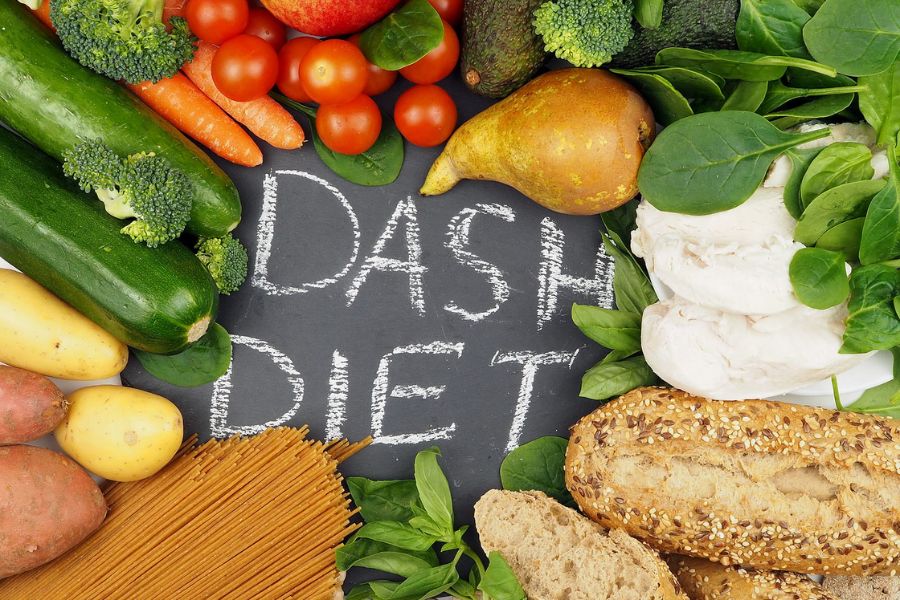
Instead of asking you to buy special foods or follow extreme rules, DASH focuses on overall eating patterns. You build your meals around:
- Vegetables and fruits
- Whole grains
- Low fat or fat free dairy
- Lean proteins like fish, poultry, beans, and nuts
At the same time, you limit foods that are high in saturated fat, added sugar, and especially sodium. This combination is what makes DASH powerful for heart health and blood pressure control (MedlinePlus).
See how DASH protects your heart
You might be wondering why this specific way of eating is so often recommended for your heart. It is because the DASH diet targets several heart disease risk factors at once, not just high blood pressure.
It lowers blood pressure safely
High blood pressure forces your heart to work harder and slowly damages blood vessels. The DASH diet helps in two key ways:
- It cuts back on sodium.
- It increases nutrients that support healthy blood pressure, such as potassium, calcium, magnesium, protein, and fiber (Mayo Clinic).
Research funded by the National Heart, Lung, and Blood Institute (NHLBI) has shown that following DASH can significantly reduce blood pressure in as little as a few weeks. In the DASH-Sodium trial, people who combined the DASH diet with lower sodium intake saw the greatest drop in blood pressure, particularly if they started with higher readings (NHLBI).
It improves your cholesterol and blood fats
Your heart health is not just about blood pressure. Cholesterol and triglycerides matter too. Studies show that the DASH diet helps lower LDL cholesterol, often called the “bad” cholesterol, and improves your overall lipid profile (NHLBI).
A large review on the DASH diet found that this way of eating can reduce an estimated 10 year cardiovascular disease risk by about 13 percent, in part because it improves both blood pressure and cholesterol levels at the same time (PMC – NIH).
It supports healthy weight and blood sugar
If you are trying to lose weight or manage prediabetes or type 2 diabetes, the DASH diet can fit your goals. It emphasizes high fiber foods and lean protein, which help you feel full on fewer calories.
NHLBI funded trials, including the PREMIER study, found that when people followed the DASH diet along with lifestyle changes and physical activity, they lost more weight and had greater reductions in blood pressure than those who only received general advice (NHLBI). Other studies suggest that DASH can help lower the risk of type 2 diabetes and heart disease over time (NHLBI).
Focus on the core DASH guidelines
You do not need to count every calorie or gram to get heart health benefits from DASH. Instead, you can aim for simple daily patterns that match a typical 2,000 calorie plan, then adjust as needed for your body size and activity level.
Build your plate around plants
On a standard DASH eating plan, your daily and weekly goals usually include (NHLBI; Mayo Clinic):
- Plenty of vegetables, such as leafy greens, carrots, bell peppers, and broccoli
- Several servings of fruit, fresh, frozen, or canned in water or its own juice
- Whole grains like oats, brown rice, quinoa, and whole wheat bread or pasta
- Fat free or low fat dairy, including milk, yogurt, and cheese in moderate portions
- Lean protein sources such as fish, chicken, turkey, beans, lentils, and nuts
These foods are rich in potassium, calcium, magnesium, and fiber, all of which play a role in lowering blood pressure and supporting overall heart function (MedlinePlus).
Cut back gently on sodium
Sodium is a big driver of high blood pressure for many people. On the DASH diet, you typically choose one of two sodium levels:
- Up to 2,300 mg per day, which matches general guidelines and is a good starting point
- Up to 1,500 mg per day, which can lower blood pressure even more if you are able to follow it consistently (Mayo Clinic; MedlinePlus)
NHLBI research shows that shifting to the lower sodium version of DASH provides the largest reductions in blood pressure, especially for people with hypertension (NHLBI).
You can start by gradually reducing salt at the table, limiting very salty packaged foods, and choosing low sodium versions of staples like broth and canned beans. Over time, your taste buds adjust and you will find that heavily salted foods taste less appealing.
If you are not sure how your current eating habits compare to DASH, NHLBI offers free worksheets and tools that help you track your typical meals against DASH guidelines and set realistic goals (NHLBI).
Combine DASH with simple lifestyle habits
The DASH diet for heart health works even better when you pair it with a few other heart friendly habits.
Move your body most days
You do not need intense workouts to help your heart. The DASH plan recommends at least 30 minutes of moderate intensity exercise, such as brisk walking, on most days of the week. That adds up to at least 2 hours and 30 minutes weekly (MedlinePlus).
If 30 minutes at once feels like too much, you can break it into three 10 minute walks spread throughout the day. The key is consistency, not perfection.
Watch added sugars and unhealthy fats
DASH is naturally lower in saturated fat and cholesterol because it emphasizes lean proteins, low fat dairy, and plant based foods. You can protect your heart further by:
- Choosing oils like olive or canola more often than butter
- Limiting fried foods, fatty cuts of red meat, and processed meats
- Saving sweets and sugary drinks for occasional treats, not daily habits
These changes help you manage weight, improve cholesterol, and keep your heart and blood vessels healthier over time (MedlinePlus).
Make DASH work in your real life
Knowing what to do is one thing. Turning it into your daily routine is another. The good news is that the DASH diet is flexible and does not require perfection for you to see benefits.
Start with small, specific changes
Instead of trying to overhaul everything at once, you can pick one or two simple shifts:
- Add a serving of vegetables to both lunch and dinner.
- Swap one refined grain, like white rice, for a whole grain, like brown rice.
- Replace one sugary drink a day with water or sparkling water.
- Choose low sodium broth and canned beans when you shop next.
Each small change moves you closer to the DASH pattern and supports better heart health.
Use your plate as a guide
At most meals, you can aim for:
- Half your plate filled with vegetables and fruit
- One quarter with whole grains
- One quarter with lean protein
Then add a small serving of low fat dairy if desired, such as yogurt or a glass of milk. This simple visual cue keeps you aligned with DASH without needing to track every bite.
Get support and use available tools
If you have high blood pressure, heart disease, diabetes, or other medical conditions, it is wise to talk with your health care provider before making big changes. A registered dietitian can help you tailor DASH to your specific needs and food preferences.
According to a 2023 review, effective DASH implementation often includes early assessment by dietitians, counseling sessions, and even digital tools like mobile apps that provide personalized recommendations and reminders (PMC – NIH). You do not have to figure everything out alone.
Recognize why DASH is so widely recommended
When you see the DASH diet mentioned repeatedly, it is not a trend. It is backed by decades of solid research and major health organizations.
NHLBI funded studies over roughly thirty years have shown that DASH can:
- Lower blood pressure
- Improve cholesterol and triglycerides
- Help with weight loss when combined with increased physical activity
- Reduce the risk of type 2 diabetes and heart disease (NHLBI)
Because of this strong evidence, the DASH diet has been recognized as one of the top heart healthy and blood pressure lowering diets. The NHLBI notes that the NIH supported DASH plan has been named the “Best Heart Healthy Diet” and “Best Diet for High Blood Pressure” in 2025, which reflects its ongoing reputation for effectiveness (NHLBI).
Put it all together
You do not need to follow a rigid meal plan or buy specialty products to unlock the heart health benefits of the DASH diet. By:
- Filling your plate with vegetables, fruits, whole grains, and lean proteins
- Choosing low fat dairy and heart healthy fats
- Gradually lowering your daily sodium intake
- Staying active for at least 30 minutes most days
you can lower your blood pressure, support healthy cholesterol, and protect your heart for the long term.
You can start today with one simple step, maybe adding a vegetable to tonight’s dinner or choosing a low sodium option at the store. Over time, these everyday choices add up to a powerful, heart healthy lifestyle.