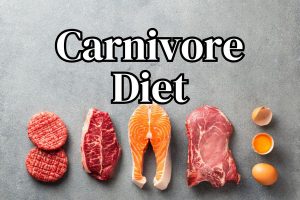
A carnivore diet for beginners can look surprisingly simple. You focus on meat, fish, eggs, and a few animal-based extras, and you cut out carbohydrates, fruits, vegetables, grains, legumes, nuts, and seeds entirely. This extreme simplicity is part of the appeal, especially if you have tried complicated plans in the past and felt overwhelmed. It may support weight loss, but it also comes with serious tradeoffs that you need to understand before you jump in.
Below, you will learn how the carnivore diet works, how it might help you lose weight, what the risks are, and how to decide if it is really a fit for your body and lifestyle.
Understand what the carnivore diet is
On the carnivore diet, you eat only animal-based foods and avoid all plant foods. That means your grocery list centers on beef, pork, lamb, chicken, turkey, fish, shellfish, and eggs. Some versions also allow small amounts of low-lactose dairy like hard cheeses and butter.
WebMD describes the carnivore diet as an eating plan that cuts out all carbohydrates, including fruits, vegetables, legumes, grains, nuts, and seeds, with the goal of making your body burn fat for energy and potentially lose weight instead of relying on carbs for fuel (WebMD). Cleveland Clinic notes that this approach actually goes further than other high protein diets like keto or Atkins, since it aims for zero carbs rather than simply low carb intake (Cleveland Clinic).
In practice, this means you are eating some form of meat or eggs at every single meal. There are no side salads, vegetables, or fruit for dessert. Even coffee and tea are discouraged by stricter versions, because they come from plants, although some people choose a more flexible approach and still drink them in small amounts (Primal Kitchen).
Learn how the diet might support weight loss
If you are looking at a carnivore diet for beginners mainly for weight loss, you are not alone. Many people are attracted by dramatic before and after stories online. While strong scientific evidence is limited, there are a few logical reasons why you might lose weight on this plan.
The carnivore diet is very high in protein and fat, which tend to keep you full for longer. Healthline points out that high protein and fat intake can promote fullness and may increase the number of calories you burn in a day, which can lead to short term weight loss (Healthline). You are also cutting out most calorie dense processed foods, sugary snacks, desserts, and fast food by default, simply because they are not animal products.
In a survey of more than 2,000 people who followed a carnivore diet for 9 to 20 months, participants reported weight loss and better blood sugar control, and some people with diabetes said they were able to reduce or stop medication. However, WebMD notes that these findings are based on self reports and not on controlled medical measurements, so you should treat them as interesting but not conclusive evidence (WebMD).
Get clear on what you can and cannot eat
Clarity on the food list is essential before you start. Since a carnivore diet for beginners is so restrictive, knowing what is in and what is out helps you plan and prevents guesswork.
You typically eat:
- Red meat such as beef, lamb, and pork
- Poultry such as chicken and turkey
- Fish and seafood, including fatty fish like salmon and sardines
- Eggs
- Animal fats such as butter, ghee, and tallow
- Small amounts of low-lactose dairy like hard cheese, if you tolerate it
You avoid:
- All fruits and vegetables
- All grains such as rice, oats, and wheat
- Beans and lentils
- Nuts and seeds
- Plant oils and plant based fats
- Sugary drinks, desserts, and alcohol
Some enthusiasts promote “nose to tail” eating, which means including organ meats, bone marrow, and less common cuts to cover more nutrients and avoid relying only on steaks or chicken breasts (Primal Kitchen).
Consider the potential benefits carefully
When you read success stories, it can be tempting to focus only on the upside. It is important to separate what is backed by data from what is mostly anecdotal.
Cleveland Clinic notes that most of the proposed benefits of the carnivore diet, such as improved mood, clearer skin, less joint pain, or reduced inflammation, are promoted mainly by social media influencers, and rigorous scientific research specifically supporting these claims remains limited (Cleveland Clinic). Healthline also highlights that there are no controlled clinical studies directly testing the long term benefits of this diet yet (Healthline).
You might still notice some short term improvements such as:
- Easier food choices, since you have fewer options
- Reduced cravings, because you have cut out sugar and refined carbs
- Possible weight loss from eating fewer processed foods and more protein
However, these changes can also come from less restrictive approaches that still include fruits, vegetables, and whole grains. That is why many experts suggest that you explore simpler, balanced adjustments before committing to a zero carb, all meat plan.
Weigh the risks and side effects
A carnivore diet for beginners is not a neutral experiment. You are making a major shift that can affect your digestion, heart health, nutrient levels, and long term disease risk.
WebMD warns that by eliminating entire food groups, the carnivore diet puts you at risk of several nutrient deficiencies, especially fiber, potassium, vitamins A and C, and folate (WebMD). Healthline echoes this concern and notes that because you skip all plant foods, you miss out on fiber and beneficial plant compounds such as antioxidants, which are important for gut health and protection against chronic diseases like certain cancers (Healthline).
Common side effects can include:
- Constipation or diarrhea
- Headaches and nausea
- Fatigue, especially early on
- Bad breath
- Increased LDL cholesterol from high saturated fat intake
Cleveland Clinic highlights additional risks such as possible increased heart disease, cancer, and nutritional deficiency risk, and explains that completely avoiding carbohydrates goes against established dietary guidelines that emphasize a varied, balanced intake (Cleveland Clinic). WebMD also notes that processed meats, which are easy to lean on for convenience, are often high in salt and saturated fat, which can push LDL cholesterol higher (WebMD).
Because of these concerns, both WebMD and Healthline caution that the diet may be unsafe for people who are pregnant or breastfeeding, individuals with kidney disease, diabetes, heart disease, high blood pressure, children, and anyone with a history of disordered eating (WebMD, Healthline).
If you have any medical conditions, you should talk with your healthcare provider before attempting such a restrictive plan, and in some cases you may be advised to avoid it altogether.
Know who strongly advises against it
Registered dietitians and major medical centers are generally cautious or opposed to the carnivore diet. Cleveland Clinic quotes registered dietitian Kate Patton, RD, LD, who recommends against trying the carnivore diet and instead supports a balanced diet that includes fruits, vegetables, grains, and lean meats, with moderation as the guiding principle (Cleveland Clinic).
Gene Food adds another layer of concern. They summarize research indicating that very high intake of animal protein can significantly raise LDL cholesterol levels, which are strongly linked to greater risk of cardiovascular disease and overall mortality, based on a JAMA review of 34 clinical trials with over 270,000 people (Gene Food). They also note that:
- Excess protein can trigger gluconeogenesis, where your body converts protein to glucose, which may prevent you from reaching deep ketosis even on a low carb diet
- High protein intake increases the workload on your liver and kidneys, and some genetic variants can make it harder for your body to safely handle the byproducts of protein breakdown
- Removing all plant fiber can disrupt your gut microbiome, encourage growth of bacteria linked with gut inflammation, and potentially increase colon cancer risk over time (Gene Food)
These red flags matter, especially if you have family history of heart disease, kidney problems, or digestive issues.
Plan safely if you still want to try it
If you have read the pros and cons and still want to experiment with a carnivore diet for beginners, you can take steps that make the process more thoughtful and less risky. The goal is not to ignore the warnings, but to approach the experiment with structure and medical support.
Start by speaking with your primary care provider or a registered dietitian. Primal Kitchen recommends consulting a healthcare provider before beginning the carnivore diet, and that is a smart move, particularly if you take medications that might be affected by rapid weight loss or changes in blood sugar (Primal Kitchen).
Next, plan your kitchen. WebMD suggests that when you start the carnivore diet, you remove carb containing foods from your pantry and focus your shopping on animal based foods like red meat, poultry, fish, organ meats, eggs, cheese, and animal fats such as butter and tallow (WebMD). A simple approach is to build meals around:
- A main protein such as steak, ground beef, chicken thighs, or salmon
- An added fat source like butter or tallow for cooking
- Optional extras like eggs or a small amount of cheese
It can also help to set a clear time frame, such as two to four weeks, and then reassess. Pay close attention to how you feel and track basic markers like energy level, digestion, mood, and cravings. If you notice worrying symptoms, reach out to your healthcare provider and consider transitioning back to a more balanced way of eating.
Compare with more balanced alternatives
Sometimes you are not actually looking for a lifetime of only meat, you are looking for a straightforward way to lose weight and feel better. In that case, you might get many of the same benefits with less risk by:
- Reducing ultra processed foods and sugary snacks
- Centering meals on lean protein, vegetables, and healthy fats
- Limiting refined grains rather than removing all carbs
- Keeping fiber rich foods such as beans, whole grains, and fruit
WebMD and Cleveland Clinic both emphasize that balanced diets which include a variety of whole foods tend to be more sustainable and safer in the long run than extreme elimination diets (WebMD, Cleveland Clinic). If you prefer animal based eating, you might explore a moderate low carb or Mediterranean style plan that still leaves room for vegetables, fruit, and whole grains.
Key takeaways for beginners
If you are considering a carnivore diet for beginners to unlock weight loss and better health, it helps to step back and look at the full picture.
- The carnivore diet is a zero carb, all animal foods plan that cuts out all plant foods
- You may lose weight in the short term due to higher protein, higher satiety, and fewer processed foods
- Evidence for broader benefits like less inflammation or better mood remains mostly anecdotal
- Major medical centers warn about nutrient deficiencies, gut health problems, and higher heart disease risk
- Many experts recommend against it, especially for people with existing health conditions or higher risk
You do not have to decide today. You can start by tightening up your current eating habits, choosing more whole foods, and working with your healthcare provider on changes that fit your body and your long term goals. If you eventually explore a carnivore approach, going in informed and supported will help you protect both your immediate progress and your future health.