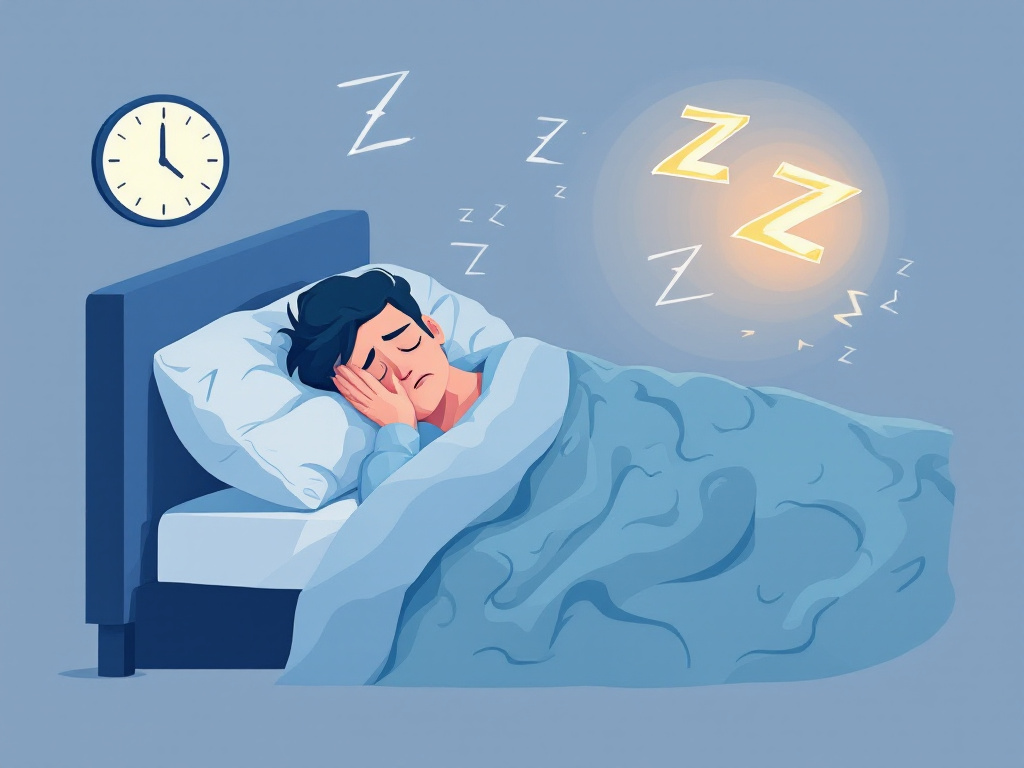
Image by Flux
A full night in bed does not always mean you are getting the deep, restorative rest your body needs. When you start asking, “What are signs of poor core sleep?” you are already noticing that something feels off. Core sleep is the essential deep and REM stages that restore your brain and body, and when that part of your night is disrupted, it quietly affects almost every part of your day.
Below, you will learn the most common signs of poor core sleep that impact your health, how they show up in daily life, and when to consider getting help.
What “poor core sleep” really means
Core sleep refers to the most restorative parts of your sleep cycle, mainly deep sleep and REM sleep. These stages support memory, learning, immune function, hormone balance, and emotional health. You can spend 7 to 8 hours in bed and still have poor core sleep if those deeper stages are short, fragmented, or repeatedly interrupted.
Conditions such as sleep apnea, which causes breathing pauses of 10 seconds or more during sleep, can severely disrupt these stages and deprive your organs of oxygen, which in turn increases the risk of heart attack and sudden cardiac death (Sliiip). Other habits, such as erratic bedtimes, heavy evening screen use, or caffeine late in the day, can also chip away at the quality of your core sleep, even if you are unaware of it.
Daytime fatigue and sleepiness
One of the clearest answers to the question “what are signs of poor core sleep?” is how you feel when you are awake. If you routinely feel exhausted despite a full night in bed, your core sleep may not be doing its job.
You might notice that you wake up feeling unrefreshed and stay tired throughout the day. According to the National Heart, Lung, and Blood Institute (NHLBI), feeling very tired during the day and not feeling alert upon waking are classic signs of sleep deficiency that can interfere with work, school, driving, and social life (NHLBI).
You may also experience episodes where you feel like you could doze off during routine activities, such as reading, watching TV, or sitting in meetings. These frequent urges to nap, especially if they are hard to resist, are symptoms of “problem sleepiness” and often point toward poor core sleep quality (NHLBI).
Brain fog and trouble concentrating
Another key sign of poor core sleep is what happens to your thinking. Deep sleep and REM sleep are crucial for clearing waste from the brain, consolidating memories, and supporting attention and decision making. When your core sleep is short or fragmented, your thinking tends to suffer.
Research from Harvard Medical School notes that insufficient sleep can impair judgment, concentration, learning, and the ability to retain information, and it also increases the risk of accidents and injury in the short term (Harvard Medical School). You might find that simple tasks feel strangely demanding, you reread the same sentence multiple times, or you struggle to keep track of what you were just doing.
Over time, repeated nights of poor core sleep can further reduce working memory, mathematical ability, and logical reasoning, especially in the prefrontal cortex, which is responsible for higher level thinking (Harvard Medical School). If you often feel mentally “foggy,” scattered, or slow, your sleep quality is worth a closer look.
Mood swings, irritability, and mental health changes
Your emotional balance is closely linked to your core sleep. REM sleep in particular helps you process emotions and reset your mood. When you are not getting enough high quality REM and deep sleep, even minor frustrations can feel magnified.
Short term, poor core sleep is linked with mood disturbances and increased irritability, as well as difficulty managing emotions and coping with change (Harvard Medical School; NHLBI). You may snap at people more easily, feel unusually sensitive, or notice that small setbacks hit you harder than they used to.
Longer term, chronic insufficient sleep is associated with increased stress, feelings of sadness or anger, mental exhaustion, and declining optimism and sociability. These changes can be early signs of mood disorders such as depression and anxiety (Harvard Medical School). If your mood feels off for weeks at a time and you are also sleeping poorly or waking up drained, your core sleep may be playing a role.
Physical fatigue, tension, and slow recovery
Core sleep is not just about your brain. Deep sleep is when your body does some of its most intensive repair work. Growth hormone is released, tissues recover, and your immune system strengthens. When this window is cut short, your body often lets you know.
AYO’s sleep health research notes that morning fatigue, afternoon energy crashes, physical tension, and slow muscle recovery are common signs that your deep sleep is not doing enough restorative work (AYO). You might feel sore after mild exercise, or you might notice that everyday tasks like climbing stairs feel heavier than they should.
Frequent illness and slow recovery from colds or other infections are also linked to poor core sleep. Deep sleep plays an important role in strengthening the immune system and reducing inflammation, so when you are not getting enough of it, your defenses are weaker (AYO).
Weight, cravings, and appetite changes
You might not immediately connect your snack choices with your core sleep, but they are closely linked. When your sleep is fragmented, the hormones that regulate hunger and fullness can fall out of balance.
AYO highlights that increased appetite, particularly sugar cravings, can be a sign of poor core sleep quality (AYO). On days after a restless night, you may find yourself reaching more often for quick energy fixes, such as sweets and refined carbs, and feeling less satisfied after regular meals.
Over time, this pattern can make weight management more difficult and may contribute to blood sugar swings, low energy, and a cycle where poor sleep leads to cravings that in turn disrupt sleep.
Safety risks and “microsleeps”
One of the more serious signs of poor core sleep is what happens when you push yourself to stay awake. If your core sleep has not been sufficient, your brain may slip into short, involuntary episodes of sleep, known as microsleeps, even while you are technically awake.
The NHLBI notes that these brief, uncontrollable lapses can happen during activities such as driving or working, and they contribute to slower reaction times, more mistakes, and a higher risk of accidents (NHLBI). Microsleeps can last only a few seconds, but that is long enough to drift out of your lane or miss a crucial signal.
If you ever catch yourself nodding off at red lights or struggling to keep your eyes open in situations where you must stay alert, that is a strong signal that your sleep is not meeting your body’s basic needs.
Signs of poor core sleep in children
If you are a parent or caregiver, it is also important to know what poor core sleep can look like in children, since it often appears differently than in adults. Instead of looking obviously tired, children with insufficient core sleep may become more active, emotional, or unfocused.
The NHLBI reports that kids with poor sleep may be overly active, have trouble paying attention, misbehave, experience mood swings, act impulsively, feel sad or depressed, and show lower school performance (NHLBI). You might see a child who seems “wired” at bedtime, wakes often at night, and then struggles with behavior or focus during the day.
Because these signs can overlap with other conditions, such as ADHD, it can be useful to pay close attention to sleep patterns and discuss them with a pediatrician if you are concerned.
If you or your child consistently feel tired, unfocused, or emotionally on edge despite spending enough time in bed, poor core sleep is a real possibility worth exploring.
When to seek professional help
Some sleep disruptions respond well to simple changes, such as a consistent bedtime, a darker bedroom, or less screen time in the evening. However, persistent signs of poor core sleep are reason to talk with a healthcare professional.
You should consider seeking help if you:
- Regularly wake unrefreshed despite 7 to 8 hours in bed
- Experience loud snoring, gasping, or breathing pauses that others notice at night, which can be signs of sleep apnea and are linked to serious health risks (Sliiip)
- Have frequent daytime sleepiness or microsleeps that affect your safety or performance (NHLBI)
- Notice ongoing mood changes, such as sadness, anxiety, or irritability that last for weeks (Harvard Medical School)
- Are often sick, recover slowly, or feel physically worn down despite normal activity levels (AYO)
A healthcare provider or sleep specialist may suggest a sleep study to look at your sleep stages and breathing patterns more closely. This can help identify issues like sleep apnea, restless legs syndrome, or other conditions that interfere with core sleep.
Putting it all together
To sum up, when you ask, “What are signs of poor core sleep that impact your health?” you are really asking how your nights shape your days. The most common signs include:
- Waking unrefreshed and feeling tired or sleepy throughout the day
- Brain fog, trouble concentrating, and slower thinking
- Mood swings, irritability, and changes in stress tolerance
- Physical fatigue, muscle tension, slow recovery, and frequent illness
- Increased appetite and sugar cravings
- Safety issues such as microsleeps and slower reaction times
- In children, hyperactivity, behavior changes, and lower school performance
Noticing these patterns is not a reason to blame yourself. It is a helpful signal that your body and brain need better quality rest, not just more time in bed. By watching for these signs and seeking support when needed, you give yourself a better chance to restore healthy core sleep and, with it, your energy, focus, and overall well-being.