Peptides vs fat burners: why the difference matters
If you are comparing peptides vs fat burners for weight loss, you are probably looking for something that actually works, not another “miracle” supplement that drains your wallet. Both options promise fat loss, but they work in very different ways in your body and they do not offer the same level of evidence, safety, or results.
Understanding those differences helps you decide what belongs in your plan, what should stay on the shelf, and what is worth a conversation with your doctor.
What peptides are and how they work
Peptides are short chains of amino acids. Your body already makes many of them, and they act like tiny messengers that tell your cells what to do. Some peptides help regulate appetite, blood sugar, and how you store or burn fat, which is why they are being used and studied for weight loss.
Weight loss peptides in plain language
When you hear about “weight loss peptides,” you are usually hearing about prescription medications that mimic natural hormones. The best known are GLP‑1 receptor agonists such as:
- Semaglutide, sold as Wegovy and Ozempic
- Liraglutide, sold as Saxenda
- Tirzepatide, sold as Zepbound, which acts on GLP‑1 and GIP receptors
These drugs work mainly by:
- Increasing how full you feel
- Slowing how fast food leaves your stomach
- Helping regulate blood sugar
Clinical trials show that this class of peptides can lead to meaningful weight loss when combined with diet and movement. In one large study of semaglutide for people without diabetes, participants lost an average of 14.9 percent of their body weight over 68 weeks, compared with 2.4 percent in the placebo group (Green Relief Health, Medical News Today).
Tirzepatide has shown even larger average reductions at 36 weeks, around 20.9 percent in adults with overweight or obesity when used consistently (Medical News Today).
Other fat loss peptides you might hear about
Beyond GLP‑1 based drugs, you may come across peptides such as:
- AOD9604 and 5‑Amino‑1MQ, which are being explored to support fat burning and muscle preservation, especially in combination with strength training (BMF Fitness)
- CJC‑1295, often discussed in the context of muscle gain and metabolism, which may support body composition changes when paired with training and diet (MD Esthetics)
- BPC‑157 and MOTS‑c, which focus more on gut health, inflammation, and mitochondrial function, creating conditions that can support fat loss rather than directly forcing it (Pulse & Remedy)
Researchers are also discovering new peptides using AI. One example is BRP, a naturally occurring peptide identified by Stanford scientists that reduced food intake and body weight in animals with fewer side effects than semaglutide, at least in early studies (Stanford Medicine).
These are mostly still in the research or specialist‑use stage, not over the counter products.
What fat burners are and how they work
Fat burners sit on the other side of the peptides vs fat burners comparison. These are usually dietary supplements, often sold without a prescription, that claim to:
- Increase metabolism
- Boost energy
- Enhance fat oxidation
- Suppress appetite
Common ingredients include caffeine, botanicals, fiber, and minerals. You might see things like green tea extract, guarana, yerba maté, L‑carnitine, CLA, and proprietary “thermogenic blends” on the label (NIH ODS).
What the evidence actually says about fat burners
When you look at well‑designed trials and reviews, the story is much less exciting than the marketing:
- Many fat burner supplements show little to no benefit beyond what you would get from a solid diet and exercise program on their own
- A 2021 meta‑analysis noted that fat burners performed worse than diet and exercise alone for weight loss and cardiometabolic health (BMF Fitness)
- Ingredients like L‑carnitine may offer a small additional weight loss of about 1.3 kg over placebo in some studies, which is modest at best (NIH ODS)
- Caffeine can increase energy expenditure and fat oxidation slightly, but your body adapts, so the effects tend to fade with regular use (NIH ODS)
Some single ingredients, like the citrus polyphenol blend Sinetrol, have shown a few kilograms of fat loss over 12 weeks together with increased antioxidant enzymes (PhD Nutrition). But that is in controlled settings, and it still depends on your nutrition and training habits.
Many experts now put fat burners in the “final 10 percent” category. In other words, your diet is 70 to 80 percent of the result, your exercise is 10 to 20 percent, and fat burners might nudge the last few percent at most (PhD Nutrition).
Head‑to‑head: peptides vs fat burners
To compare peptides vs fat burners fairly, you want to look at how they perform on key factors: effectiveness, speed of results, safety, cost, and how they fit into a long‑term plan.
| Factor | Peptides (GLP‑1 and related) | Fat burners (supplements) |
|---|---|---|
| Mechanism | Mimic hormones that regulate appetite, satiety, blood sugar, and sometimes fat storage (Green Relief Health, NCBI PMC) | Caffeine, botanicals, and other compounds to slightly boost metabolism or reduce absorption (NIH ODS) |
| Typical weight loss | Around 10–20 percent of body weight over many months when used with lifestyle changes (Medical News Today) | Often small or statistically insignificant changes compared with placebo, sometimes 1–3 kg in certain studies (NIH ODS, BMF Fitness) |
| Evidence quality | Multiple large clinical trials, some FDA approvals for obesity | Mixed, often small or low‑quality trials, especially for multi‑ingredient products |
| Speed of results | Noticeable by a few weeks, significant by 12+ weeks (Green Relief Health) | Gradual, often barely beyond what diet and exercise alone provide |
| Access | Prescription only, medical monitoring recommended (Medical News Today) | Over the counter, widely available online and in stores |
| Cost | Often $969–$1,500 per month without insurance, coverage varies (Green Relief Health) | Typically much less expensive per month, but can add up over time |
| Safety | Common GI side effects, risks like delayed gastric emptying, potential long‑term concerns, require oversight (Medical News Today) | Side effects depend on ingredients, stimulants can affect heart rate, sleep, and anxiety, quality control can be an issue (NIH ODS) |
Looking at this side by side, peptides clearly have stronger evidence and more substantial average results, but also higher cost, more medical complexity, and real side effect risks. Fat burners are easier to access, but the payoff is usually small to negligible.
How results feel in real life
On paper, percentages and kilograms can feel abstract. Here is what the difference can look like in your day‑to‑day experience.
With weight loss peptides, you are likely to notice:
- A smaller appetite and less interest in large portions or frequent snacking
- Feeling full sooner and staying full longer
- Steadier blood sugar, which can mean fewer cravings and less afternoon energy crashes
Clinical reports on Ozempic, for example, show average losses of 10 to 15 percent of body weight over several months when combined with lifestyle changes, although some people lose more and some lose less (Pulse & Remedy).
With most over the counter fat burners, you are more likely to notice:
- A temporary energy boost from caffeine or similar stimulants
- Sometimes increased sweating or feeling warmer during workouts
- Possible jitters, sleep disruption, or digestive upset depending on the formula
The actual scale change usually tracks closely with how consistently you are eating in a calorie deficit and moving your body. Supplements add far less than most ads suggest.
Safety, side effects, and supervision
When you compare peptides vs fat burners, safety is not just about how “natural” something sounds. It is about how it interacts with your biology, how tightly it is regulated, and whether there is a professional watching for problems.
Safety considerations with peptides
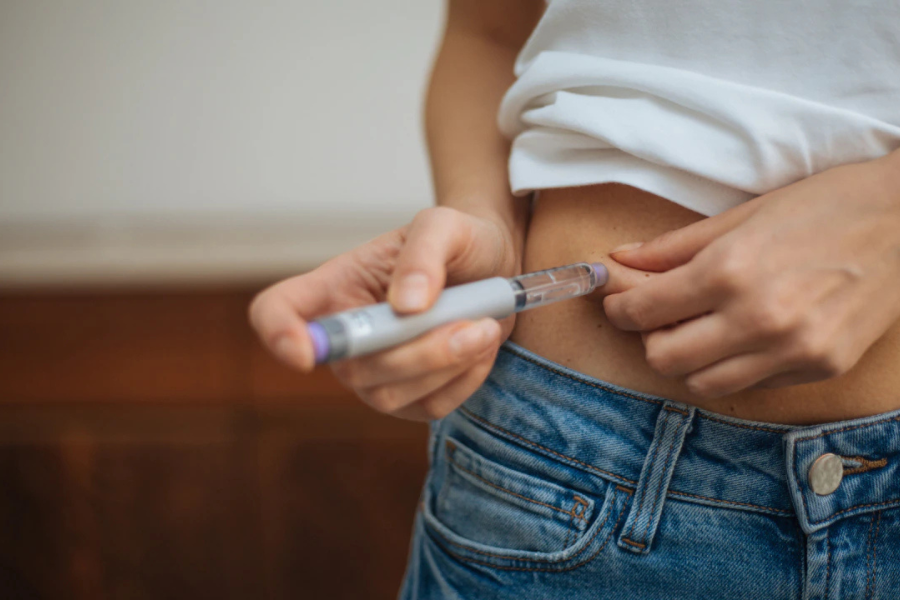
Because peptides like semaglutide, liraglutide, and tirzepatide directly affect hormone pathways, they are prescription only. Potential side effects include:
- Nausea, vomiting, diarrhea, or constipation
- Delayed gastric emptying
- Injection site reactions
- Risks during pregnancy or in certain medical conditions (Medical News Today)
There are also concerns about muscle loss and possible long‑term cancer risk with some GLP‑1 drugs, which is why medically supervised use and strength training to protect lean mass are important (BMF Fitness).
Natural‑leaning peptides like BPC‑157 and MOTS‑c appear to have fewer reported side effects so far, but research is still developing and that does not mean they are risk free (Pulse & Remedy).
You also need to be cautious about counterfeit or unregulated peptide products sold online, which may not contain what the label claims (Medical News Today).
Safety considerations with fat burners
Fat burners are sold as dietary supplements, not drugs, so they are not held to the same pre‑market testing. Common issues include:
- High stimulant doses that raise heart rate and blood pressure
- Sleep disruption, anxiety, or “crash” feelings
- Digestive upsets from fiber or fat‑binding ingredients like chitosan, with minimal proven effect on weight (NIH ODS)
Some products combine multiple active compounds, which makes side effects and interactions harder to predict. Quality and purity also vary a lot between brands.
Cost, commitment, and what is realistic for you
Budget and lifestyle matter just as much as biology. Even the most effective therapy does not help you if you cannot realistically stick with it.
With peptides, you are typically looking at:
- A significant monthly cost, often close to $1,000 or more without good insurance coverage (Green Relief Health)
- Regular injections, sometimes daily or weekly
- Ongoing doctor visits and lab monitoring
- The likelihood that you need to continue at least some treatment to maintain the full amount of weight lost
With fat burners, you usually see:
- Lower monthly costs, but sometimes continuous use with no clear endpoint
- Pills or powders that are easy to take, which also makes it easy to keep buying them out of habit
- A temptation to rely on the supplement instead of fixing the core habits that drive long‑term change
In both cases, if you use these tools without addressing your eating patterns, movement, sleep, and stress, you will probably not get the durable results you want. That is echoed repeatedly by fitness professionals who stress that no peptide or supplement can replace consistent healthy eating and strength training for lasting fat loss (BMF Fitness).
How to decide what belongs in your plan
Choosing between peptides vs fat burners is not about picking a “winner” in general, it is about what fits your health status, goals, and values.
You might consider talking with a qualified clinician about medically supervised peptides if:
- You have obesity or overweight with weight‑related health conditions
- You have tried structured lifestyle changes and still struggle with appetite or metabolic issues
- You are open to injections and medical monitoring, and the cost or coverage is manageable for you
You might treat fat burners as optional or skip them entirely if:
- Your diet and training are not yet consistent, since that is where the biggest impact comes from
- Stimulants worsen your sleep, anxiety, or blood pressure
- You prefer to invest your budget into quality food, coaching, or a gym membership instead
If you use either peptides or fat burners, you get the best return when you pair them with:
- A sustainable calorie‑appropriate eating pattern that you can maintain
- Regular exercise that includes resistance training to protect and build muscle
- Sleep and stress routines that support recovery and hormone balance
BMF Fitness summarizes it simply by putting strength training and lifestyle changes in the “truly helpful” category, peptides under careful supervision in the “somewhat helpful but not magic” category, and most fat burners in the “hype” bucket (BMF Fitness).
Key takeaways
- Peptides for weight loss, especially GLP‑1 based medications, have strong clinical evidence and can lead to 10–20 percent body weight reductions in many people when combined with lifestyle changes, but they are costly, prescription only, and carry side effect risks (Green Relief Health, Medical News Today).
- Over the counter fat burners usually deliver modest or negligible weight loss beyond what you achieve with diet and exercise, and are better viewed as minor add‑ons rather than core tools (NIH ODS, BMF Fitness).
- No matter which option you explore, the foundation of long‑term fat loss is still consistent, healthy eating in the right quantity plus regular movement and strength training.
If you are curious about peptides, your next practical step is to discuss your health history and goals with a licensed medical professional. If you are debating a new fat burner, consider first tightening up your food, training, and sleep for a month. You may find that those shifts move the needle more than any capsule on the shelf.