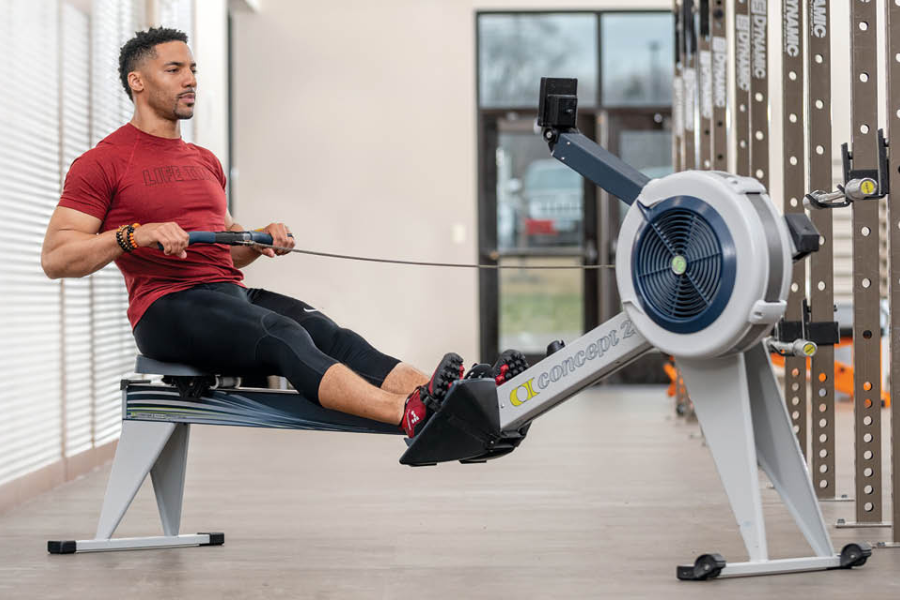
High intensity rowing workouts let you get a serious full‑body session in a short amount of time. You work your legs, core, back, and arms with each stroke, and when you turn that into interval training, you can burn a lot of calories and build fitness without spending an hour in the gym. If you are looking for a time efficient way to lose weight and improve your health, high intensity rowing is worth a closer look.
Understand what high intensity rowing is
High intensity rowing workouts are simply interval sessions on a rowing machine. You alternate short bursts where you row very hard with periods of easier rowing or complete rest. This is usually called high intensity interval training, or HIIT.
During the hard intervals, you push your heart rate close to its upper limit. During the easier parts, your body partially recovers so you can repeat another powerful effort. These cycles challenge both your aerobic and anaerobic energy systems, which is one reason HIIT on a rowing machine can improve cardiovascular fitness more efficiently than steady, moderate rowing alone (PureGym).
Why rowing is such an effective workout
A big advantage of rowing is how much of your body you use at once. Rowing machine workouts engage nearly 85% of your musculature, including legs, glutes, core, back, and arms, all in a single stroke (NordicTrack). About 65 to 75 percent of the effort comes from your legs and 25 to 35 percent from your upper body, so you are not just pulling with your arms, you are driving with your whole body (Healthline).
Rowing is also low impact. The movement is smooth and joint friendly, which makes it a good option if you cannot tolerate high impact exercises like running or plyometrics. Ergometer rowing has been shown to provide similar cardiovascular benefits to treadmill and elliptical exercise while placing less stress on your joints (NordicTrack).
Finally, rowing is efficient for calorie burn. A vigorous 30 minute session can burn hundreds of calories, for example, around 369 calories for a 155 pound person during intense rowing, which supports both weight loss and endurance building (Healthline).
Benefits of high intensity rowing workouts
High intensity rowing takes all the benefits of rowing and turns the dial up. Short, hard intervals lead to a strong training effect in less time.
You can burn more calories in a shorter workout compared to steady rowing. HIIT rowing sessions as short as 10 to 30 minutes can be very effective, and in some cases less than 15 minutes of low volume HIIT has produced similar or greater improvements in fitness, glucose control, blood pressure, and cardiac function compared with longer moderate sessions (Healthline).
Because each interval pushes you close to your limit, your heart and lungs adapt and your cardiovascular fitness improves. HIIT rowing raises your threshold for hard efforts more than easy, steady training alone. You also continue to burn calories after you finish as your body recovers from the intense work (PureGym).
Rowing intervals also build muscular endurance and power. The drive phase of each stroke uses your quads, hamstrings, and glutes similar to a squat, and high intensity sets can leave your legs feeling as heavy as a challenging leg day while your upper body and core work to stabilize and pull (Garage Gym Reviews).
Learn proper rowing technique first
Before you add intensity, you want your technique to be solid. Good form helps you get more from each stroke and lowers your risk of injury, especially in your lower back.
Each stroke has four key positions: catch, drive, finish, and recovery. As a simple rule, you drive with legs, then back, then arms, and you return in the opposite order, arms, then back, then legs. This “legs back arms” on the drive and “arms back legs” on the recovery keeps the stroke smooth and powerful and reduces wasted effort (RP3 Rowing).
Focusing on form is also important for your core and lower back. Many people who feel low back pain on the rower push with their legs and lean back at the same time without engaging their abdominal muscles. Keeping your core braced, hinging from the hips instead of rounding the spine, and separating leg drive from back swing helps you avoid this problem (Healthline).
Set up your rower for high intensity work
A few small setup choices can make your high intensity rowing workouts safer and more effective.
Most rowers have a damper or resistance setting. It can be tempting to crank it up, but a moderate setting is better. Damper levels in the 3 to 5 range usually encourage good form, reduce back strain, and still allow plenty of intensity since your effort and technique drive the workout, not just a heavy setting (RP3 Rowing).
Your grip matters too. Hold the handle with your fingers, keep your wrists flat, and avoid squeezing too hard. A relaxed but secure grip helps prevent hand and wrist pain and keeps your forearms from fatiguing early in the session (RP3 Rowing).
Finally, pay attention to stroke rhythm. Aim for a drive to recovery ratio of about 1 to 2, so your recovery takes roughly twice as long as your drive. This lets your muscles reset, sets you up well for the next stroke, and creates a sustainable rhythm, especially during intense intervals (RP3 Rowing).
Warm up before you row hard
High intensity rowing puts a lot of demand on your muscles and cardiovascular system. A short, focused warm up will help you perform better and reduce injury risk.
Start with 2 to 3 minutes of joint mobility for your ankles, hips, and shoulders. Simple leg swings, hip circles, and arm circles are enough. Then spend 3 to 5 minutes on the rower at an easy pace, gradually increasing your stroke length and rate while you practice clean technique, smooth rhythm, and steady breathing. This kind of rowing specific warm up prepares both your muscles and your nervous system for the harder work that follows (RP3 Rowing).
You will know you are warm when you feel slightly out of breath but can still speak in full sentences, and your movement on the machine feels fluid instead of stiff.
Try beginner friendly high intensity rowing workouts
When you are new to high intensity rowing, you do not need long intervals or complex structures. Short bouts with generous rest teach you how hard efforts should feel while giving you enough time to recover.
One simple option is a 15 minute pyramid style workout. After a 5 minute warm up at an easy pace, row 30 seconds at about 60 percent effort, then 60 seconds at a moderate pace. Repeat, but increase your intense efforts toward about 80 percent effort as you move through the series. This structure gradually builds high intensity endurance without asking you to go all out right away (Garage Gym Reviews).
Another beginner structure is 30 seconds hard followed by 90 seconds of rest or very easy rowing. A 20 minute session might start with 5 minutes of warm up, then 30 on and 90 off repeated several times. As your fitness improves, you can slowly shorten the rest periods or add extra intervals to progress the challenge (NordicTrack).
Rowing HIIT workouts for most people will fall in the 10 to 30 minute range. That includes your warm up and cool down, so the intense portion can be surprisingly short while still providing real benefit (PureGym).
A good starting point is 2 to 3 rounds of intervals for beginners, then building up to 5 rounds over time for a roughly 15 minute high intensity session (Garage Gym Reviews).
Monitor intensity and listen to your body
During high intensity rowing, it is easy to go too hard too soon. Using simple cues helps you stay in the right effort zones for your current fitness level.
Stroke rate, which is the number of strokes per minute, is one metric you can watch, but how you feel is just as important. The “talk test” gives you an easy guide. If you can talk normally, you are likely under about 55 percent effort. If you can only get out a few words before needing a breath, you are probably above 80 percent effort and in the right place for your hard intervals (Garage Gym Reviews).
On your recovery intervals, you should feel your heart rate and breathing come down enough that you could talk in full sentences again by the end of the rest period. If you cannot, your work intervals might be too long or your rest too short for now.
Pay attention to how your back, knees, and wrists feel. Discomfort from muscular fatigue is normal, especially in your legs during high intensity rowing, but sharp or lingering joint pain is a sign to reduce intensity, check your form, or stop the session.
Use rowing for weight loss and overall health
If your main goal is losing weight and improving health, you can build a weekly routine around high intensity rowing without training like an elite rower.
High intensity rowing is effective for calorie burn and cardiovascular health, and low volume sessions can produce strong benefits in under 15 minutes, especially for glucose control and blood pressure (Healthline). However, treadmill exercise may have slightly higher maximal fat oxidation for some people (NordicTrack), so you do not have to choose one forever. You can use rowing as your main low impact cardio, and mix in walking or treadmill sessions if you enjoy variety.
Aim for a mix of two or three high intensity rowing workouts and one or two easier steady sessions each week. Combined with a balanced, calorie aware diet, this structure supports fat loss, better heart health, and stronger muscles without overwhelming your schedule.
Key takeaways
- High intensity rowing workouts are short, powerful interval sessions that challenge your heart, lungs, and muscles.
- Rowing uses nearly your entire body while staying low impact, which makes it ideal if you want efficient cardio without pounding your joints.
- Proper technique, moderate damper settings, and relaxed grip help you avoid common injuries and get more from each stroke.
- Beginner HIIT structures such as 30 seconds hard and 90 seconds easy let you build confidence and fitness safely.
- Even 10 to 20 minute high intensity rowing sessions, done consistently, can support weight loss and noticeable gains in cardiovascular health.
You do not need to overhaul your routine overnight. Start by learning smooth technique, then add just a few short intervals into one of your weekly workouts. As your confidence grows, you can gradually increase the challenge and enjoy everything high intensity rowing has to offer.