Carnivore diet vs keto: where should you start?
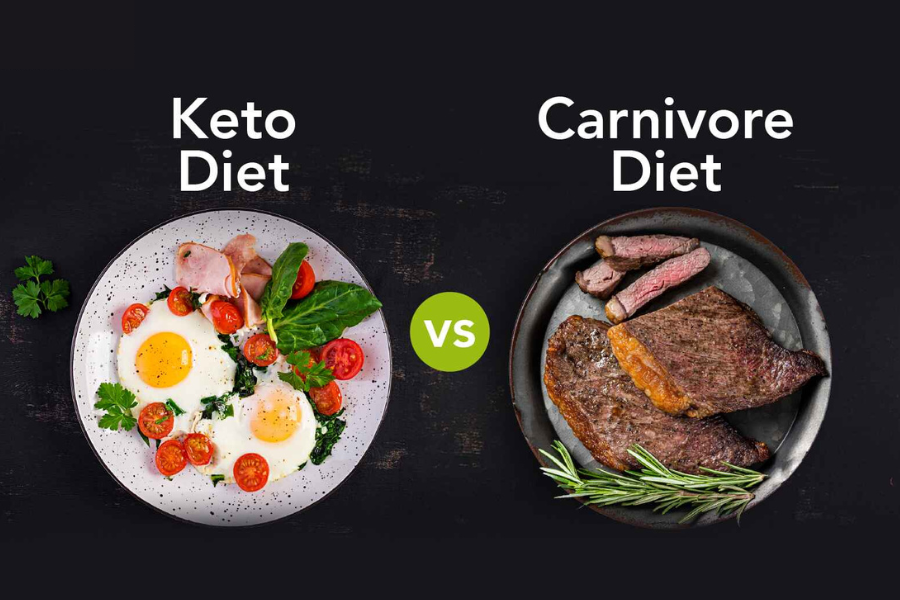
If you are comparing the carnivore diet vs keto to lose weight or improve your health, you are really deciding how far you want to go with restricting carbs and plants. Both can lead to short term weight loss and better blood sugar control, but they differ a lot in what you eat each day, how flexible they are, and what we know about long term safety.
Before you change how you eat, it helps to understand what you are actually signing up for and what tradeoffs you are willing to make.
Understand the basics of each diet
What the carnivore diet looks like day to day
On the carnivore diet you eat only animal products. This usually includes:
- Meat like beef, pork, lamb, poultry
- Fish and seafood
- Eggs
- Animal fats like tallow, lard, butter
- Sometimes cheese and other very low lactose dairy
You do not eat fruits, vegetables, grains, legumes, nuts, seeds, or added sugars at all. It is essentially a zero carb way of eating that is extremely restrictive and cuts out all plant foods (Healthline).
Fans of carnivore often say it helps their weight, mood, inflammation, and blood sugar. However, these claims are mostly based on personal stories. There are no controlled studies confirming broad health benefits as of 2024, and nutrition experts warn that the lack of fiber and plant nutrients may lead to nutrient gaps and raise long term health risks (Healthline, Inspira Health Network).
What a keto diet actually means
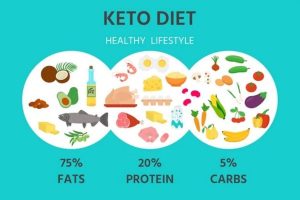
A ketogenic, or keto, diet is also a low carb approach, but it is less extreme. You still limit carbohydrates sharply, usually to around 50 grams per day or less, compared with 225 to 325 grams recommended in a typical 2,000 calorie diet (Health). The main difference is that you can eat both animal and low carb plant foods.
A typical keto plate includes:
- High fat foods like avocado, olive oil, nuts, seeds, cheese, butter
- Moderate protein from meat, fish, eggs, tofu
- Very low carb vegetables like leafy greens, broccoli, cauliflower, zucchini
The goal is to shift your body into ketosis, a state where you burn fat rather than sugar for fuel. Keto has been around for decades and was originally used to help treat epilepsy. Now it is popular for weight loss and blood sugar control (Northwestern Medicine).
Compare how each diet affects your health
You are probably wondering less about rules and more about results. Here is how carnivore diet vs keto stack up on key health areas.
Weight loss and appetite
Both diets can help you lose weight, at least in the short term. When you cut carbs and raise protein and fat, you usually feel fuller, eat fewer calories, and lose water weight at first.
- High protein intake on carnivore can boost fullness and metabolism.
- Keto uses ketosis to increase fat burning and can also reduce appetite (Archer Jerky).
Reviews of very low carb ketogenic diets show meaningful drops in body weight in the first 6 to 12 months, but this advantage tends to fade after a year, and long term adherence is difficult (Cureus). The same is likely true or even more pronounced with carnivore, which is harder to sustain.
If your main goal is weight loss, either approach can move the scale. The bigger question is which one you can reasonably maintain without feeling miserable or socially isolated.
Blood sugar and diabetes management
Both carnivore and keto reduce carbohydrates, so they can improve your blood sugar and insulin response.
- Carnivore virtually eliminates carbs, which can stabilize blood sugar swings.
- Keto sharply cuts carbs and has been shown in clinical trials to reduce HbA1c and medication needs in people with type 2 diabetes when carbs are kept under about 20 grams per day for several months (Cureus).
These changes can be helpful, but they are not risk free. Very low carb diets can increase the risk of low blood sugar, especially if you use diabetes medications, so any big shift should be done with medical supervision (Cureus).
Heart health and cholesterol
Here is where the carnivore diet vs keto comparison starts to look very different.
Carnivore is high in animal fat, cholesterol, and often sodium. That combination raises concern for higher LDL, or “bad,” cholesterol and increased risk of heart disease, high blood pressure, and kidney stress, especially if you already have cardiovascular issues (Healthline, Inspira Health Network, University Hospitals).
Keto can still be high in saturated fat if you lean heavily on fatty meats and butter. Studies show that low carb ketogenic diets often raise HDL, the “good” cholesterol, and lower triglycerides, but they can also increase LDL over time, which may offset some benefits (Cureus). Experts recommend focusing on healthier fat sources like olive oil, avocado, and fatty fish, and being cautious with high saturated fat intake (Northwestern Medicine).
In short, both diets demand careful planning if you have heart concerns, but carnivore piles on more saturated fat and removes heart friendly plant foods that may help counter some risk.
Gut health, fiber, and nutrients
Your gut health is one of the biggest dividing lines between carnivore and keto.
On carnivore, you eat no fiber at all. That means:
- No support for a diverse, healthy gut microbiome
- Higher risk of constipation and possible gut inflammation
- Greater chance of deficiencies in vitamins, minerals, and beneficial plant compounds over time (Healthline)
Keto still restricts carbs, but you can include fiber rich, low carb vegetables and some nuts and seeds. Although you might still fall short on certain nutrients if you are not careful, keto gives you far more room to eat foods that support digestion and long term health (Healthline).
Very low carb diets in general can lead to low intakes of fiber, magnesium, vitamin C, and potassium, which may show up as constipation, cramps, fatigue, and “keto flu” type symptoms during the transition (Northwestern Medicine). Adding non starchy vegetables, staying hydrated, and planning your meals can ease this, especially on keto.
If you value your gut health and want to keep regular digestion without relying heavily on supplements, keto with plenty of low carb vegetables is typically less risky than a strict carnivore approach.
Think about sustainability in real life
A diet only works if you can stick with it. When you consider carnivore diet vs keto, think beyond the first few weeks.
Social life and eating out
On carnivore, your options at restaurants and gatherings are very narrow. You can usually order plain meat, fish, or eggs and skip sides and sauces, but that can be awkward and frustrating. Holidays and shared meals become tricky because almost everything includes plants, grains, or sugar.
Keto is still limiting, but it is more flexible. You can have a burger without the bun, a salad without croutons, fajitas without tortillas, or a cheese plate without crackers. You still have to say no to many foods, yet you have more leeway to blend in with how your friends and family eat.
Long term adherence
Because carnivore eliminates entire food groups, including fruits and vegetables, most health professionals see it as unsustainable for the majority of people and potentially risky over time (University Hospitals). Specific groups like children, pregnant women, people with kidney or heart issues, and anyone with nutrient deficiencies are advised to avoid it entirely (University Hospitals).
Keto has its own challenges. Strict carb limits can be hard to keep up, and many people regain weight once they return to a more typical eating pattern (Northwestern Medicine). Still, the added variety makes keto more realistic for longer than a pure carnivore plan for most people (Archer Jerky).
Decide which, if any, fits your goals
Instead of asking which diet is “best,” it is more helpful to ask which aspects of carnivore diet vs keto, if any, match your health goals, preferences, and medical history.
When carnivore might appeal to you
Carnivore often attracts people who:
- Want very simple rules and find moderation hard
- Feel they react poorly to many plant foods, like gluten, certain fibers, or plant compounds
- Are curious about short term elimination style experiments
Some people with conditions linked to specific allergens or plant compounds, such as gluten or certain lectins, report symptom relief on carnivore, although this is based on anecdotes, not large studies (University Hospitals).
If you are considering carnivore, it is especially important to:
- Talk with your doctor or a registered dietitian first
- Clarify how long you plan to follow it
- Monitor your blood lipids, kidney function, and overall wellbeing
When keto may be the better starting point
Keto might be a better match if you:
- Want to lose weight but still enjoy vegetables and some variety
- Have prediabetes or type 2 diabetes and your doctor supports trying a low carb approach
- Prefer a structured plan that you can later relax into a more moderate, balanced pattern
Evidence suggests keto can improve weight, triglycerides, and blood sugar in the short term. However, benefits tend to wane after a year, and long term safety compared with other eating patterns is still being studied (Cureus, Health).
Why a balanced middle ground is often safest
Nutrition specialists frequently recommend a more balanced approach: a diet rich in vegetables, fruits, whole grains, and lean proteins, with room for healthy fats and less added sugar, rather than extreme restriction like a full carnivore plan (Inspira Health Network).
If you like parts of carnivore or keto, you might:
- Reduce refined carbs and added sugars without cutting all carbs
- Prioritize high quality protein at meals
- Include plenty of non starchy vegetables
- Choose mostly unsaturated fats with some saturated fat in moderation
This kind of pattern draws on some strengths of low carb diets, like better blood sugar control and appetite management, but leaves more room for fiber, micronutrients, and long term flexibility.
Take your next small step
If you are still unsure about carnivore diet vs keto, you do not have to decide everything today. You can start with one small, clear change that moves you toward your goals without overhauling your entire lifestyle.
For example, you might:
- Track how many grams of carbs you eat now, so you have a baseline
- Replace sugary drinks and snacks with water and higher protein options
- Add a serving of non starchy vegetables and a lean protein source to each meal
- Talk with a healthcare provider about whether a supervised low carb trial is safe for you
Most importantly, choose an approach you can imagine living with, not just enduring for a few weeks. Your weight, blood sugar, and energy are influenced by what you do consistently over time, not by the most extreme plan you can tolerate for a short burst.
Before you commit to carnivore or keto, consider booking an appointment with your doctor or a registered dietitian. They can help you tailor any changes to your specific health conditions, medications, and goals, so your plan supports both short term results and long term wellbeing.