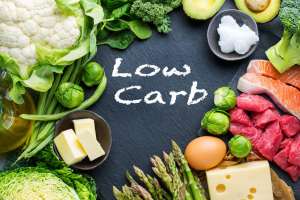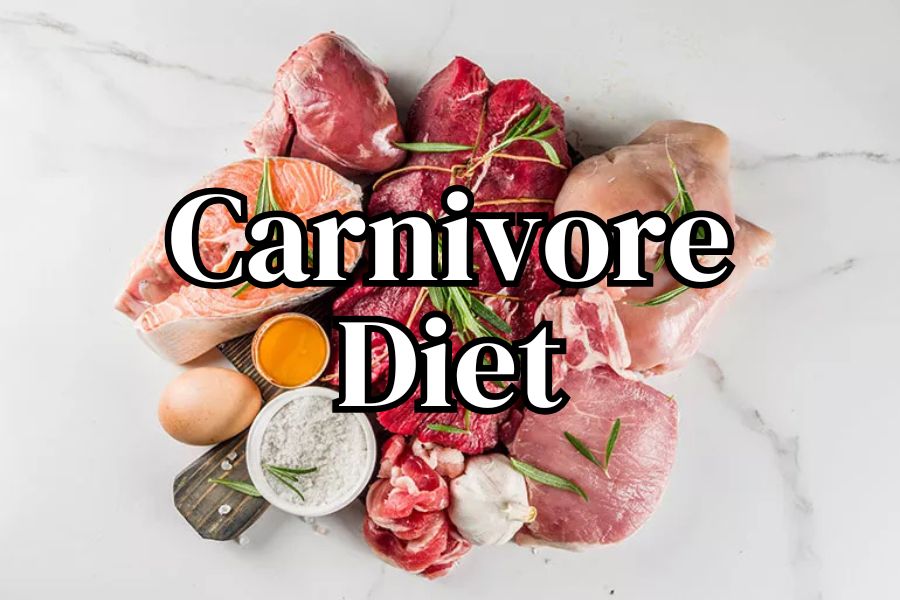
A carnivore diet for weight loss promises fast results with a very simple rule: you eat only animal foods and cut out all carbs. On social media, you might see dramatic before and after photos and claims of cured health problems. Before you stock your fridge with steaks, it helps to understand how carnivore diet weight loss actually works, what the research says, and the risks you take on when you eliminate all plant foods.
Below, you will find what you can realistically expect from a carnivore diet, how it compares to other low carb plans, and safer alternatives that still support your weight loss goals.
What the carnivore diet actually is
On a carnivore diet, you eat only animal products. That usually means:
- Meat like beef, pork, lamb and game
- Poultry such as chicken and turkey
- Fish and seafood
- Eggs
- Some animal fats and dairy like butter, ghee, hard cheese
- Water, and sometimes black coffee or plain tea
You avoid all plant foods. That includes fruits, vegetables, whole grains, beans, lentils, nuts, seeds, and plant oils. Because plants contain virtually all dietary carbohydrates, the diet is sometimes called a zero carb plan or an extreme version of keto. Harvard Health notes that the carnivore diet is the most ketogenic type of eating because it allows almost no carbohydrates and forces your body to burn fat and produce ketones for fuel (Harvard Health Publishing).
At first, this simplicity can feel appealing. There are no macros to count, no recipes to follow, and no desserts to negotiate with. The tradeoff is that you cut out entire food groups, including many that are strongly linked with long term health.
Why carnivore can lead to weight loss
You may lose weight on a carnivore diet for several reasons, especially in the first weeks.
Carb elimination and ketosis
When you remove carbohydrates, your body uses up stored glycogen and the water that is stored with it. This is why you often see rapid weight loss at the start of any very low carb diet. As you stay low carb, your body shifts into ketosis and begins to rely more on fat for fuel. This is the same basic mechanism that makes a standard ketogenic diet effective for fat loss, and it applies to carnivore as well (Harvard Health Publishing).
Higher protein, more fullness
The carnivore diet is naturally high in protein. Protein is very filling, so you may eat fewer calories without trying. The British Heart Foundation points out that high protein intake can increase satiety, which helps some people eat less over the course of the day (British Heart Foundation).
If your usual pattern includes a lot of processed snacks and sugary drinks, you also remove these calorie dense foods immediately. A review from Baylor Scott & White Health notes that cutting out processed carbohydrates like cookies, cakes and sodas can support weight loss by reducing empty calorie intake (Baylor Scott & White Health).
Simple rules, fewer decisions
Finally, the strict rule of “only animal foods” can make decisions easier. You are not choosing between 20 options on a menu. You are choosing between steak and eggs. For some people, this removes “food noise” and makes it easier to stick to a plan, at least for a short time.
What the research and experts say
You will find many personal stories about carnivore diet weight loss: people who lose 10 pounds in a month, or who feel more energetic after cutting plants. However, almost all of this information comes from anecdotes or small self reported surveys, not from large, controlled trials.
The British Heart Foundation highlights a 2021 survey of 2,029 people who followed a carnivore diet for more than six months. In that survey, 95 percent reported better overall health and 69 percent reported improvements in chronic conditions, including excess weight. At the same time, the foundation stresses that the study relied on self reporting and did not include medical verification, so the results are hard to interpret and may be biased (British Heart Foundation).
Major medical organizations are cautious or clearly opposed:
- Cleveland Clinic describes the carnivore diet as highly restrictive and notes that most of its claimed benefits are based on anecdotes instead of strong research (Cleveland Clinic).
- Harvard Health Publishing states that while ketogenic diets can cause weight loss, the risks of a carnivore diet mean it is not recommended as a weight loss approach (Harvard Health Publishing).
- The British Heart Foundation advises against the carnivore diet and instead recommends a balanced eating pattern such as a Mediterranean style diet for sustainable weight control and heart health (British Heart Foundation).
In short, you can lose weight on a carnivore diet, but there is currently no strong evidence that it is better than less restrictive methods. There is also clear concern about what it may do to your health if you stay on it for very long.
Health risks you need to consider
Before you try carnivore for weight loss, you will want to understand the potential downsides. These risks become more serious if you stay on the diet for months or years.
Nutrient gaps and lack of fiber
Because you cut out fruits, vegetables, whole grains, legumes, nuts and seeds, you miss many important nutrients. Experts at Inspira Health warn that eliminating these foods can lead to deficiencies in fiber and phytonutrients, which support digestion, heart health and disease prevention (Inspira Health Network).
Cleveland Clinic also notes that skipping entire food groups like fruits, vegetables, and whole grains can raise your risk for nutrient deficiencies over time, even if you experience short term weight loss (Cleveland Clinic). Without fiber, constipation can become a problem, something highlighted as a concern by Baylor Scott & White Health as well (Baylor Scott & White Health).
Heart and metabolic health
Most carnivore plans rely heavily on red meat and animal fats. These foods contain saturated fat, which can raise LDL or “bad” cholesterol. Harvard Health lists elevated LDL cholesterol as a clear risk of the carnivore diet and notes that this can increase your chance of developing heart disease (Harvard Health Publishing).
The British Heart Foundation echoes this concern and warns that a diet high in saturated fat and low in fiber is not heart friendly, especially if you already have cardiovascular risk factors (British Heart Foundation).
Kidneys, bones, and long term safety
Very high protein intake can add stress to your kidneys. Harvard Health points to possible long term issues such as kidney stones, gout, osteoporosis and impaired kidney function with very high protein diets like carnivore, especially in people who are already at risk (Harvard Health Publishing).
University Hospitals also notes that completely eliminating food groups can have negative health consequences even in the short term and describes the carnivore diet as unsustainable and risky for most people (University Hospitals).
Who should avoid the carnivore diet
Registered dietitians recommend caution if you:
- Have heart disease or high cholesterol
- Have kidney problems or a history of kidney stones
- Are pregnant, breastfeeding, or planning pregnancy
- Have existing nutrient deficiencies
- Live with an autoimmune or chronic condition that needs close medical attention
University Hospitals specifically advises people with heart disease, kidney issues, nutrient deficiencies, pregnant women, children and those with compromised immune systems to be very cautious with the carnivore diet due to its extreme restrictions and potential deficiencies (University Hospitals).
What carnivore might feel like in real life
While the research is limited, first person reports can still give you a sense of what daily life on carnivore might look like.
Some people say they feel more energetic once their body adapts to using fat for fuel. Others notice reduced food cravings and less “mindless snacking.” Supporters also report improvements in mental clarity and more stable blood sugar levels, which can indirectly help with weight loss and daily focus (Saint Alphonsus).
However, not every experience is positive:
- You might feel sluggish and heavy during the first weeks as your body switches from burning carbs to burning fat, something noted in a self experiment documented by Chief Nutrition (Chief Nutrition).
- Social situations can be tricky, because almost every shared meal includes plant based foods.
- Eating only meat and eggs can become repetitive, which can make the diet harder to maintain.
Many people also find that while initial weight loss is noticeable, their progress slows or plateaus, even with strict tracking and continued restriction (Chief Nutrition).
If you still want to try it, how to reduce harm
If you are strongly drawn to the idea of a carnivore diet for weight loss, consider treating it as a short, supervised experiment rather than a permanent lifestyle.
Start with your healthcare team
Before you change how you eat in a big way, especially if you plan to cut out entire food groups, it is important to speak with your doctor or a registered dietitian. Multiple sources, including Inspira Health and Saint Alphonsus, recommend a medical check in before starting restrictive diets like carnivore to reduce the risk of cardiovascular issues and nutrient deficiencies (Inspira Health Network, Saint Alphonsus).
Your provider may want to:
- Review your current medications and conditions
- Check baseline labs like cholesterol, kidney function and blood sugar
- Plan follow up testing if you stay on the diet for more than a few weeks
Set a clear time frame
Instead of switching indefinitely, you might set a defined trial period, such as 2 to 4 weeks. This lets you observe how you respond without locking yourself into a long term pattern that could be hard to undo. During that time, track not only your weight but also your energy, digestion, mood and any changes in existing health issues.
Aim for variety and nutrient density
Within the limits of carnivore, you can still make better or worse choices. To support your body during a short trial:
- Include a mix of meats, not only processed or very fatty cuts
- Add fish and seafood regularly for omega 3 fats
- Consider including organ meats like liver to boost vitamin and mineral intake, something Saint Alphonsus suggests for people who choose this diet (Saint Alphonsus)
- Drink plenty of water and pay attention to salt and electrolytes, especially during the first weeks of low carb eating (Saint Alphonsus)
If you notice worrying signs such as severe constipation, chest pain, dark urine, dizziness or extreme fatigue, contact your healthcare provider promptly and consider returning to a more balanced way of eating.
Even if you feel well in the short term, most medical experts do not consider an all meat diet a safe or necessary long term strategy for weight loss.
Safer ways to use low carb for weight loss
You may be attracted to carnivore because low carb eating seems to fit you better than a traditional low fat plan. You do not have to go to zero carbs to use this approach.
Cleveland Clinic, Baylor Scott & White Health and the British Heart Foundation all suggest that a balanced diet that includes a variety of food groups is a better long term choice than carnivore (Cleveland Clinic, Baylor Scott & White Health, British Heart Foundation). You can still:
- Emphasize protein from lean meats, fish, eggs, Greek yogurt and tofu
- Choose high fiber vegetables like leafy greens, broccoli and peppers
- Add whole food carbohydrates in modest portions, such as beans, lentils, oats and fruit
- Limit ultra processed foods, sugary drinks and refined snacks
This kind of pattern, which looks similar to a Mediterranean or MyPlate style approach, gives you many of the appetite and blood sugar benefits of higher protein and lower processed carbs without the extreme restrictions and risks of an all meat diet.
Putting it all together
A carnivore diet can cause weight loss, mainly because it removes carbohydrates, reduces food choices and increases your protein intake. Some people also report better energy and fewer cravings. At the same time, major medical organizations caution that the diet is highly restrictive, nutrient poor and potentially risky for your heart, kidneys and overall long term health.
If you are curious about carnivore for weight loss, your safest path is to talk with your healthcare provider, set a clear time frame and pay close attention to how your body responds. You may discover that a less extreme, higher protein, lower processed carb way of eating offers similar weight loss benefits with fewer risks and much more flexibility in your daily life.