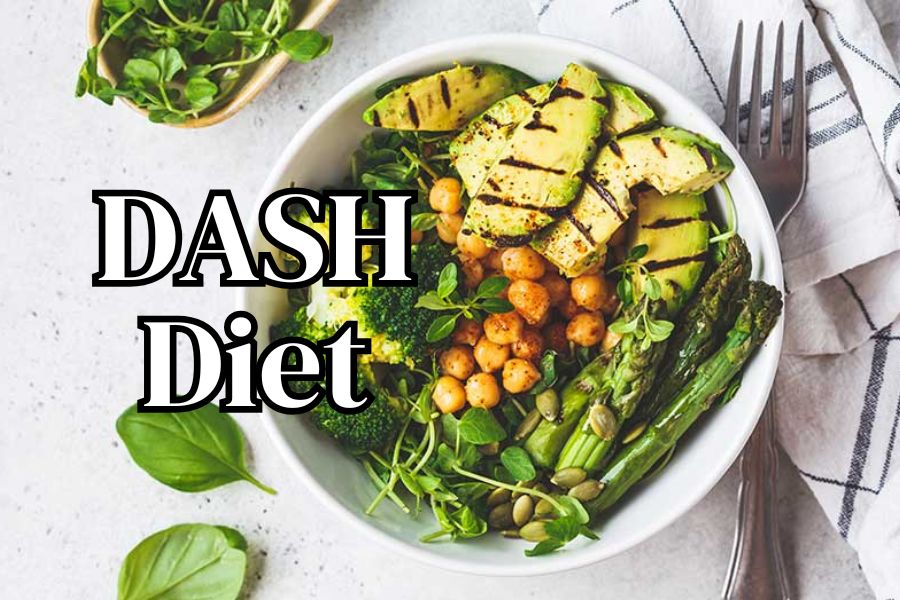
A heart healthy eating plan can feel complicated until you have a simple roadmap. That is where the DASH diet for blood pressure comes in. DASH stands for Dietary Approaches to Stop Hypertension, and it focuses on everyday foods you can find in any grocery store, not special products or strict rules. By shifting what you put on your plate, you can support lower blood pressure, protect your heart, and often lose some weight along the way.
Below, you will find a clear explanation of how DASH works, what to eat, and how to ease into the plan without overhauling your entire life in one day.
What the DASH diet is and why it works
The DASH diet was developed to help prevent and treat high blood pressure. It emphasizes vegetables, fruits, and whole grains as the foundation of your meals, then layers on lean protein and low fat dairy for balance. At the same time, it limits sodium, added sugars, and saturated fat, all of which can raise blood pressure when eaten in excess.
According to the Mayo Clinic, DASH is rich in potassium, calcium, magnesium, protein, and fiber, nutrients that are known to help lower blood pressure and support overall heart health (Mayo Clinic). This combination makes it more than a diet. It is a long term eating pattern that supports your blood vessels, heart, and weight.
You do not need special products to start. The National Heart, Lung, and Blood Institute notes that the DASH eating plan uses regular supermarket foods and provides daily and weekly nutritional goals based on a 2,000 calorie per day pattern (NHLBI).
How DASH supports lower blood pressure
High blood pressure is heavily influenced by what you eat and drink. The DASH diet for blood pressure targets several key factors that affect your numbers.
Lower sodium, less pressure on arteries
Excess sodium can cause your body to hold onto fluid, which increases blood volume and puts more pressure on your blood vessel walls. The standard DASH plan limits sodium to 2,300 milligrams per day, which equals about one teaspoon of table salt, and a lower sodium version restricts intake to 1,500 milligrams per day for those who need tighter control (Mayo Clinic).
Research from the NHLBI shows that following DASH with 1,500 milligrams of sodium each day can lower blood pressure even more than 2,300 milligrams, especially if your blood pressure is already high (NHLBI). You do not have to jump to the lowest number right away. Even gradual reductions can help.
More potassium, calcium, and magnesium
Potassium helps your body balance sodium, calcium supports normal blood vessel function, and magnesium is involved in regulating blood pressure. DASH highlights foods that are naturally rich in these nutrients, including fruits, vegetables, low fat dairy, beans, nuts, and whole grains (Mayo Clinic).
When you build your meals around these foods, you are naturally giving your body the raw materials it needs to keep blood pressure in a healthy range.
Less saturated fat and added sugar
The DASH diet limits foods high in saturated fat, such as fatty cuts of meat and full fat dairy, which can raise LDL cholesterol and strain your heart over time (Mayo Clinic). It also asks you to scale back added sugars, especially from sweets and sugary drinks. These changes support healthier cholesterol levels and make it easier to maintain a comfortable weight.
Core food groups and daily servings
To make DASH practical, it helps to see how all the main food groups fit together. The serving suggestions below are based on a typical 2,000 calorie per day DASH pattern described by the Mayo Clinic and NHLBI, but your exact needs may differ depending on your size, activity level, and health goals.
| Food group | Typical daily servings* | What to focus on |
|---|---|---|
| Grains | 6 to 8 | Mostly whole grains, such as oats, brown rice, whole wheat |
| Vegetables | 4 to 5 | A mix of colors, fresh, frozen, or low sodium canned |
| Fruits | 4 to 5 | Whole fruits more often than juice |
| Dairy | 2 to 3 | Fat free or low fat milk, yogurt, or cheese |
| Lean meats, poultry, fish | Up to 6, 1 oz each | Skinless poultry, fish, lean cuts of meat |
| Nuts, seeds, legumes | 4 to 5 per week | Unsalted nuts, seeds, beans, lentils |
| Fats and oils | 2 to 3 | Vegetable oils like olive or canola, soft margarines |
| Sweets | 5 or fewer per week | Small portions, with limited added sugar and fat |
*Serving ranges and examples are adapted from guidance summarized by the Mayo Clinic and NHLBI for a 2,000 calorie per day DASH pattern (Mayo Clinic, NHLBI).
The goal is not perfection. It is to nudge your daily routine so it looks more like this table most days of the week.
Using DASH for weight loss and heart health
If you are interested in the DASH diet for blood pressure and weight loss, you are not alone. Many people find that when they follow DASH closely, they naturally start to lose weight because the plan is high in fiber and lower in energy dense, heavily processed foods.
Vegetables, fruits, and whole grains add bulk and help you feel full on fewer calories. Lean proteins such as poultry, fish, and beans provide lasting satisfaction. When you combine these with smaller amounts of healthy fats, you get meals that keep you full longer and reduce grazing between meals.
DASH can also help lower LDL cholesterol, sometimes called “bad” cholesterol, which is another major risk factor for heart disease. Mayo Clinic notes that DASH, by emphasizing nutrient dense foods and limiting sodium and saturated fat, is designed to prevent or treat high blood pressure and may lower LDL cholesterol at the same time (Mayo Clinic).
If weight loss is a priority, you can adjust portion sizes slightly or choose a lower calorie version of the DASH plan. Your healthcare provider or a dietitian can help you set a safe target.
Simple ways to start DASH today
You do not need to transform all your meals overnight. Instead, think of DASH as a series of small swaps you can build on. Start with one or two of the steps below, then add more when you feel ready.
Step 1: Add, do not only subtract
Rather than focusing only on what you are cutting back, focus on what you can add.
- Add a piece of fruit to your breakfast.
- Add a side salad or an extra serving of vegetables to lunch or dinner.
- Add a serving of beans to your weekly menu, such as a simple bean chili or lentil soup.
By increasing these foods, you automatically leave less room for high sodium or high sugar options.
Step 2: Nudge your grains toward whole
If most of your grains are white bread, white rice, or regular pasta, try one change at a time. Swap white bread for whole wheat, choose brown rice once or twice a week, or pick oatmeal instead of a sugary cereal.
Whole grains provide more fiber and nutrients, which support steady energy and better appetite control. They are an easy way to move closer to DASH without feeling restricted.
Step 3: Shift your protein choices
Aim for more fish, poultry, beans, and nuts, and fewer processed meats like bacon, sausage, and deli meats. The DASH diet specifically encourages lean proteins and plant based proteins as part of its pattern (Mayo Clinic).
You might try grilled chicken instead of fried, or a bean burrito instead of one filled with ground beef. Over time, these small choices add up to a big shift in saturated fat and sodium intake.
Step 4: Cut back on sodium gradually
If you are used to heavily salted foods, a sudden drop can feel bland. You can make the change easier by:
- Tasting food before salting and using the salt shaker less often.
- Choosing “low sodium” or “no salt added” versions of canned vegetables, broths, and beans.
- Rinsing canned beans or vegetables under water to remove some of the sodium.
- Seasoning with herbs, spices, citrus, garlic, and vinegar for flavor instead of relying on salt.
The NHLBI notes that adopting the DASH eating plan, plus limiting sodium to 1,500 to 2,300 milligrams per day, is an effective approach to lower blood pressure (NHLBI). You can work your way toward that range over a few weeks.
Handling drinks, alcohol, and caffeine
What you drink matters too. Sugary drinks like soda and sweet tea can add a lot of calories without providing much nutrition. The DASH approach encourages you to choose water most often and to keep sugary beverages in the “occasional” category.
Alcohol is another factor. Mayo Clinic explains that the DASH diet suggests limiting alcohol because heavy drinking can increase blood pressure, and recommends no more than two drinks per day for men and one or less for women (Mayo Clinic). Staying within these limits, or drinking less than that, is a helpful part of a heart healthy routine.
The impact of caffeine on blood pressure is less clear. Some people are more sensitive than others. If you notice your readings increase after coffee or energy drinks, it is worth talking with your healthcare provider about what level is appropriate for you.
Making DASH fit your real life
For any eating pattern to work, it has to fit your lifestyle. The good news is that DASH is flexible and does not require special products or complicated recipes. The recommended foods are widely available in grocery stores and at many restaurants (Mayo Clinic).
You can:
- Use frozen vegetables and fruits to save time and money.
- Build quick meals like a whole grain bowl with brown rice, beans, vegetables, and a sprinkle of cheese.
- Look for menu items described as grilled, baked, or steamed when you eat out, and ask for sauces and dressings on the side.
If cooking feels overwhelming, start with one DASH friendly meal per day and keep it simple. For example, breakfast could be oatmeal topped with berries and a spoonful of nuts, plus a glass of low fat milk. That single change already moves you closer to DASH targets for grains, fruits, nuts, and dairy.
When to talk with your healthcare provider
Before making significant changes to manage high blood pressure, it is wise to check in with your healthcare team, especially if you already take medication for hypertension or have kidney disease or other chronic conditions. They can let you know how the DASH diet for blood pressure fits with your current treatment plan and whether you should aim for the standard 2,300 milligrams of sodium or the lower 1,500 milligram target.
The DASH plan has strong backing. The NIH supported DASH diet was named “Best Heart Healthy Diet” and “Best Diet for High Blood Pressure” in 2025, which reflects the scientific evidence behind it and its practicality for everyday life (NHLBI). With your provider’s guidance, you can use it as a solid foundation for long term heart health.
Key takeaways
- The DASH diet is an eating plan built to help prevent and treat high blood pressure by focusing on vegetables, fruits, whole grains, lean protein, and low fat dairy.
- It limits sodium, saturated fat, and added sugars to support lower blood pressure, healthier cholesterol levels, and easier weight management.
- Typical DASH patterns use regular grocery store foods and provide clear serving targets across each food group.
- Gradual changes such as adding fruits and vegetables, swapping in whole grains, choosing lean proteins, and cutting back on sodium can make a meaningful difference in your blood pressure over time.
- Working with your healthcare provider helps you tailor DASH to your specific health needs and decide on the right sodium level for you.
You do not need to wait for the perfect Monday to begin. Pick one DASH inspired change for your next meal, notice how it feels, and build from there at your own pace.