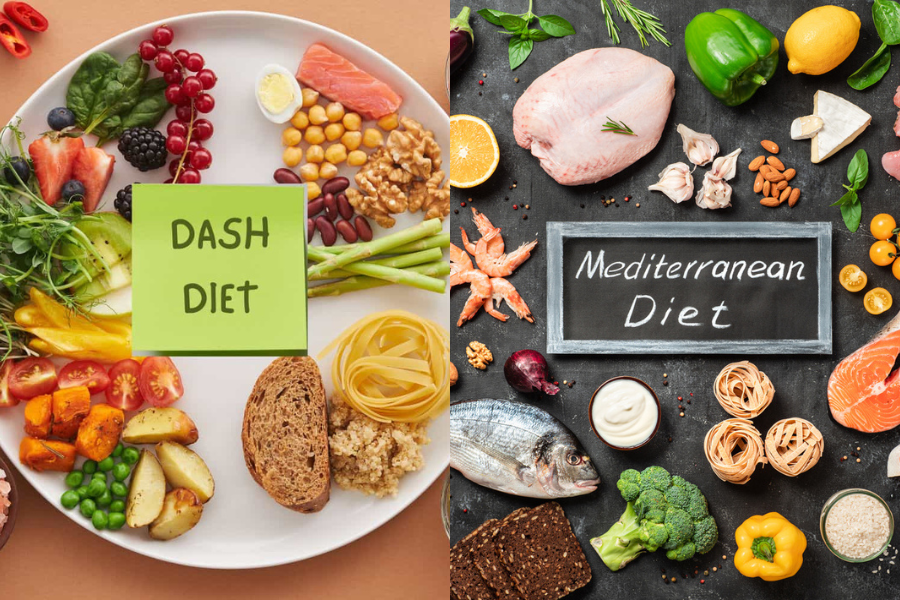
A heart healthy eating plan is one of the most powerful tools you have for weight loss and long term health. If you are comparing the DASH diet vs Mediterranean diet, you are already looking in the right place. Both are consistently ranked among the healthiest ways to eat, and both emphasize real, minimally processed foods instead of quick fixes.
They are not identical though. Each diet has a slightly different focus, and one may fit your lifestyle and health goals better than the other. Below, you will walk through how each plan works, how they compare, and how to decide which one makes the most sense for you.
Understand the basics of each diet
Before you can decide between the DASH diet vs Mediterranean diet, it helps to know what each one actually looks like on your plate.
What the DASH diet focuses on
The DASH diet, which stands for Dietary Approaches to Stop Hypertension, was originally designed to lower blood pressure without medication. It focuses on limiting sodium while increasing potassium, calcium, and magnesium through foods such as fruits, vegetables, whole grains, lean protein, low fat dairy, and nuts (Mayo Clinic Diet).
To follow DASH, you typically:
- Prioritize fruits and vegetables at most meals
- Choose whole grains over refined grains
- Eat beans, lentils, fish, poultry, and nuts regularly
- Include low fat or fat free dairy
- Limit red and processed meats, added sugars, and saturated fat
- Watch your daily sodium intake
There are two main sodium levels used in DASH: about 2300 mg of sodium per day for general use and around 1500 mg per day if you are over 51 or you have high blood pressure, diabetes, or chronic kidney disease, as recommended by the American Heart Association (Chefs for Seniors).
What the Mediterranean diet emphasizes
The Mediterranean diet is based on how people traditionally eat in countries like Greece, Italy, and Spain. It emphasizes plant based foods, especially vegetables, fruits, legumes, whole grains, nuts, seafood, and healthy fats like olive oil, while reducing processed foods, added sugars, and red meat (Chefs for Seniors).
Core features include:
- Vegetables and fruits at most meals
- Whole grains, beans, and lentils as daily staples
- Olive oil as the main added fat
- Nuts and seeds most days
- Fish and seafood at least twice a week
- Smaller amounts of poultry, eggs, and dairy
- Red and processed meat only occasionally
The Mediterranean diet is not just a food list. It also encourages social meals and regular physical activity, which help make it a sustainable lifestyle pattern, not a short term diet (Mayo Clinic Diet).
Compare their main health benefits
When you think about DASH diet vs Mediterranean diet, you might wonder which one is “healthier.” The truth is that both support better health, but they shine in slightly different areas.
Heart health and blood pressure
Both diets are considered heart healthy. The Mediterranean diet is rich in monounsaturated fats and omega 3s from olive oil, nuts, and fish, which support cardiovascular health. The DASH diet improves heart health by lowering blood pressure through limiting sodium and increasing potassium rich foods (Mayo Clinic Diet).
For blood pressure specifically, DASH is often the first recommendation, especially if you have hypertension or are at high risk. It was developed for that purpose and is backed by strong data showing it can reduce blood pressure numbers (Chefs for Seniors).
However, long term research in a Mediterranean population found that higher adherence to the Mediterranean diet was associated with a significantly reduced risk of fatal and non fatal cardiovascular disease events over 10 years, while high adherence to DASH did not show the same reduction in that particular study (PMC).
So if your main concern is high blood pressure right now, DASH may be more targeted. If you are thinking about long haul, whole body cardiovascular protection and enjoyment of your food, the Mediterranean diet may have an edge, especially if it fits your culture and taste preferences.
Blood sugar and diabetes management
If you have type 2 diabetes or prediabetes, both diets can help. Two systematic reviews published in 2019 found that Mediterranean, DASH, and vegetarian eating patterns all improved A1C by an average of about 0.8 percent overall (Diabetes Spectrum).
- Vegetarian or vegan diets reduced A1C by about 0.68 percent
- One study of the DASH diet reported a 1.7 percent A1C reduction
- Mediterranean diet studies showed reductions of 1.2 percent after 1 year and 0.9 percent after 4 years
Additional meta analyses found that the Mediterranean diet was associated with A1C decreases of about 0.3 to 0.47 percent, and low calorie Mediterranean plans led to greater A1C reduction, higher remission rates, and delayed medication needs compared with low fat diets in people newly diagnosed with type 2 diabetes (Diabetes Spectrum).
DASH has less research for blood sugar than the Mediterranean pattern, but early data are promising. One small 8 week trial found a 1.7 percent A1C drop with DASH compared with a traditional ADA diet, and another 4 week study showed moderate A1C improvements plus significant drops in blood pressure (Diabetes Spectrum).
In short, you can use either approach to support better blood sugar control, especially if you are also focusing on overall calorie intake and regular activity.
Weight loss and healthy weight maintenance
Neither the DASH diet nor the Mediterranean diet was originally designed as a weight loss program. However, both can help you lose weight and keep it off when you pair them with sensible calorie control and lifestyle changes.
According to the Mayo Clinic Diet, both eating patterns promote gradual and healthy weight reduction, and structured meal plans can layer calorie guidelines on top of these patterns to support sustainable weight loss goals (Mayo Clinic Diet).
DASH can feel more prescriptive, which you might appreciate if you want clear serving targets and sodium limits. The Mediterranean diet is often more flexible, which can make it easier to stick with over years instead of months.
Look at how they differ in daily practice
On paper, DASH diet vs Mediterranean diet may seem nearly identical. Both emphasize fruits, vegetables, whole grains, and lean proteins. Small differences can affect what your daily meals actually look like.
Key similarities
Both patterns encourage you to:
- Fill your plate with vegetables and fruits
- Choose whole grains such as oats, brown rice, and whole wheat bread
- Include beans, lentils, nuts, and seeds for fiber and plant protein
- Limit processed foods, sugary drinks, and refined snacks
- Cut back on saturated fats from full fat dairy and fatty cuts of meat
These shared features are part of why both diets have such strong evidence for improving heart health and supporting better blood sugar and weight control (Diabetes Spectrum).
Key differences
There are also meaningful distinctions.
According to a side by side comparison, both DASH and Mediterranean diets lean heavily on whole grains, fruits, and vegetables, but there are some specific differences (Chefs for Seniors):
- The Mediterranean diet encourages at least two servings of fish per week, daily nuts, and regular use of olive oil as the main added fat
- The DASH diet limits red and processed meat to two or fewer servings per week and is more explicit about sodium caps
- Alcohol plays a different role, with moderate wine sometimes included in Mediterranean patterns, while DASH focuses more on blood pressure and may suggest stricter limits
You might think of DASH as more structured and numbers based, especially around sodium. The Mediterranean diet tends to feel more like a lifestyle pattern that fits easily with home cooking, shared meals, and a strong emphasis on olive oil and seafood.
Here is a quick comparison you can skim:
| Aspect | DASH diet | Mediterranean diet |
|---|---|---|
| Main goal | Lower blood pressure, support heart health | Overall heart health, long term disease prevention, lifestyle enjoyment |
| Sodium | Explicit daily limits, often 1500 to 2300 mg | No specific numeric cap, but naturally moderate due to fewer processed foods |
| Fats | Limits saturated fat, allows healthy fats in moderation | High in olive oil and nuts, rich in monounsaturated and omega 3 fats |
| Protein | Lean poultry, fish, beans, low fat dairy | Fish and seafood often, smaller amounts of poultry, eggs, and dairy |
| Red meat | Limited to small, occasional amounts | Limited, often reserved for special occasions |
| Alcohol | Generally limited, especially for blood pressure | Moderate wine may be included with meals for some adults |
Choose the right diet for your goals
The best diet for you is the one you can follow consistently. As you weigh DASH diet vs Mediterranean diet, it helps to zoom in on your specific goals, health conditions, and preferences.
If your top priority is blood pressure
If you have high blood pressure or a strong family history of hypertension, the DASH diet may be the better starting point. It was specifically designed to lower blood pressure, and it uses clear sodium targets of 2300 mg or 1500 mg per day depending on your risk profile (Chefs for Seniors).
You might benefit from:
- Tracking sodium on food labels
- Swapping salty processed foods for fresh or frozen vegetables and fruits
- Choosing low sodium versions of broth, canned beans, and sauces
- Cooking more at home so you control the amount of salt added
You can still borrow ideas from the Mediterranean diet, such as using more olive oil and adding fish regularly, while keeping DASH style sodium limits in mind.
If you want a lifestyle you can enjoy for years
If your main goal is long term heart health, better blood sugar, and a way of eating you can imagine sticking with for the rest of your life, the Mediterranean pattern may be a natural fit.
A 10 year study in Athens, Greece found that people with the highest adherence to the Mediterranean diet had a fourfold reduced risk of fatal and non fatal cardiovascular events compared to those with the lowest adherence. No similar risk reduction was seen with higher DASH adherence in that Mediterranean population (PMC).
In practical terms, you focus on:
- Building meals around vegetables, beans, whole grains, and olive oil
- Eating fish a couple of times a week
- Choosing nuts and fruit as snacks instead of sweets
- Enjoying unhurried, social meals and regular physical activity
This approach can feel less like “being on a diet” and more like a natural way to live, which often makes it easier to maintain your progress.
If you have diabetes or want to prevent it
For blood sugar control and diabetes prevention, you do not have to pick an all or nothing side in the DASH diet vs Mediterranean diet conversation. Both patterns have strong evidence for improving A1C and cardiovascular risk factors in people with type 2 diabetes (Diabetes Spectrum).
You can:
- Use the Mediterranean pattern as your base, emphasizing fiber rich carbs and healthy fats
- Layer in DASH style attention to sodium, especially if you also have hypertension
- Work with your healthcare provider to set calorie and carb targets that fit your medications, activity level, and weight goals
Whichever you choose, make sure your plate includes plenty of non starchy vegetables, lean protein, and high fiber carbs to blunt blood sugar spikes.
Take your first small step
You do not have to completely overhaul your diet overnight to benefit from these patterns. In fact, the most successful changes are usually the ones you build slowly and steadily.
You might start by picking one next step:
- If you lean toward DASH, try cooking dinner tonight with low sodium ingredients and adding an extra serving of vegetables
- If you prefer the Mediterranean style, swap butter or creamy dressings for olive oil and toss some beans or lentils into your salad or soup
- If you are unsure, simply begin by eating at least one additional serving of vegetables and one piece of fruit each day
Both the DASH diet and the Mediterranean diet are proven, flexible tools that can help you move toward a healthier weight, better blood pressure, and stronger long term heart health. You can start where you are today, choose the pattern that feels most realistic, and adjust as you learn what works best for your body and your life.