A fat loss journey is rarely a straight line. When you look at other people’s “before and after” photos, it is easy to expect dramatic fat loss diet results in a few weeks. In reality, your body follows a predictable pattern, and understanding that pattern can help you stay patient and consistent.
This guide walks you through what realistic fat loss results look like over time, what influences your progress, and how to set up a fat loss diet you can actually live with.
Understand what “fat loss” really means
When you step on the scale, you are not just measuring fat. You are seeing a mix of fat, water, stored carbs, and even some muscle.
Fat loss specifically refers to weight that comes from fat tissue only, not from water or muscle. General weight loss usually starts out quickly, mostly from water. Fat loss tends to be slower and more steady over time (Healthline).
In the first couple of weeks of a new fat loss diet, most of the “wow” moments you see on the scale are due to:
- Water loss as your body uses up stored carbohydrates
- Less bloating from cutting salty and highly processed foods
Real fat loss becomes more dominant after that early stage. This is why you might see big changes in the first 1 to 2 weeks, then a slower pace, even if you are doing everything right.
What to expect in the first month
If you create a moderate calorie deficit and add activity, you typically see visible fat loss diet results within one to two weeks. Next Health notes that most people see at least some movement on the scale, even if it is just one pound, in that early window (Next Health).
Weeks 1 to 2: Fast but mostly water
During this phase you may notice:
- A rapid drop in scale weight
- Looser waistbands or less puffiness
- Better energy as you eat more whole foods
If you follow a lower carb approach, the change can be more dramatic. When carbs are reduced, your body taps into glycogen stores for energy, and each gram of glycogen is stored with water. This is why high protein, low carb plans often show very fast initial results, mainly from water loss rather than pure fat (NCBI Bookshelf).
Weeks 3 to 4: Slower but more meaningful
By weeks three and four, the quick water drop slows. The scale might move at a rate of about 1 to 2 pounds per week, which matches what you would expect if you cut roughly 500 calories per day and did about 45 minutes of cardio most days (Next Health).
You may notice:
- Clothes fitting better in the hips, thighs, or midsection
- Slight muscle definition if you are doing resistance training
- Less fluctuation day to day, but progress over the week
This stage can feel less exciting because the numbers are smaller. However, this is when genuine fat loss is starting to show.
How progress usually changes after a few months
As you move past the first month, your body starts adapting. This is normal and expected, and it is one reason so many people mistake “slower” for “stalled.”
Months 2 to 3: Noticeable change and first plateau
As your body weight decreases, your calorie needs drop. Your metabolism subtly adapts to the lower intake and your new activity level. This often leads to a slower rate of loss and occasional plateaus. Healthline notes that this second stage of weight loss is where slower, mostly fat-based loss happens, and plateaus are common (Healthline).
What you might see in this period:
- Total losses of 8 to 20 pounds for many people, if you stay consistent
- Stronger habits around food and movement
- A “stuck” week or two where the scale barely moves
In a structured program, losing around 10 percent of your starting body weight in 4 to 5 months is realistic. Participants in the Next Health Weight Optimization Program lost an average of 18 pounds in about 4.1 months, which equaled around 10 percent of body weight (Next Health).
Months 4 and beyond: Long-term change and maintenance
The biggest challenge with a fat loss diet is not losing the weight, it is keeping it off. It is estimated that only about 1 to 3 percent of people lose weight and maintain the loss long term, which shows how hard long-term maintenance can be (NCBI Bookshelf).
Over 6 to 12 months, you will likely:
- Lose weight more slowly than at the start
- Experience several plateaus, even when you are on track
- Notice big changes in how you move, sleep, and feel day to day
The good news is that combining a balanced nutrition plan with regular activity produces greater long-term weight loss and reduces regain compared with diet or exercise alone (NCBI Bookshelf). This is where consistency matters far more than perfection.
Diet approaches and their typical results
There is no single “best” fat loss diet. What matters is that you can follow it long enough to see results and then maintain a lighter version of it for life. Here is how some common approaches tend to play out.
Mediterranean-style eating
A Mediterranean-style diet focuses on minimally processed fruits, vegetables, legumes, nuts, whole grains, fish, poultry, and olive oil. Harvard Health notes that this pattern is linked to effective weight loss and lower risk of heart disease, diabetes, depression, and some cancers (Harvard Health Publishing).
What to expect:
- Steady, moderate weight and fat loss over months
- Easy long-term maintenance because it is not extreme
- Health benefits beyond the scale, such as better heart markers
If you want your fat loss diet results to last, this style of eating is one of the easiest to stick with.
Intermittent fasting
Intermittent fasting alternates eating and fasting windows. Common patterns are 16:8, where you fast 16 hours and eat over 8 hours, or 5:2, where you eat normally for 5 days and cut calories heavily for 2 days.
Research suggests intermittent fasting can lower insulin levels and promote fat burning, which supports fat loss. However, it does not appear to be significantly more effective than traditional calorie restriction, and it can be harder socially for some people (Harvard Health Publishing).
What you may notice:
- Early appetite changes as your body adjusts to new meal timing
- Similar long-term results to any other calorie deficit, if calories are matched
- Great results if it helps you naturally eat less without feeling restricted
Keto and low carb diets
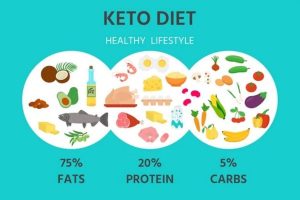
Keto and lower carb diets reduce carbs and increase fat and protein. A strict ketogenic diet typically derives 75 to 90 percent of calories from fat and only about 5 percent from carbs. This approach can jump-start fat loss and improve blood sugar control, especially if you begin with insulin resistance (Harvard Health Publishing).
Earlier research found that high protein, low carb diets may improve body composition by sparing lean body mass and potentially producing greater fat loss. However, much of the rapid initial weight loss is from water, due to glycogen depletion, rather than pure fat (NCBI Bookshelf).
In practice you might see:
- Very quick early scale drops in the first 2 to 4 weeks
- Slower, more normal fat loss after that early phase
- Challenges with long-term adherence, since long-term data is limited
Low fat and calorie-controlled diets
Low fat diets that reduce fat to about 20 to 30 percent of total calories have consistently produced significant weight loss and tend to be easier to maintain than extremely low fat plans. A reduction of about 10 percent of calories from fat has been associated with a weight loss of around 4 to 5 kilograms in people with a BMI of 30 (NCBI Bookshelf).
Traditional calorie-controlled diets that aim for 1200 to 1500 calories per day sometimes use meal replacements to make things simple. These plans can lead to significant early loss within 3 months and have shown maintenance of that loss over 2 to 5 years, along with improved blood sugar, triglycerides, blood pressure, and other health markers (NCBI Bookshelf).
How to build a sustainable fat loss diet
The most realistic fat loss diet results come from small, repeatable actions, not from extreme rules.
Use a plate-based approach
Harvard’s Healthy Eating Plate offers a simple visual you can use at almost any meal:
- Half your plate: vegetables and fruits
- One quarter: whole grains
- One quarter: healthy proteins like fish, nuts, or poultry
- Add healthy oils in moderation, such as olive oil
- Drink water as your main beverage (Harvard Health Publishing)
This structure naturally limits calories and improves nutrition without counting every gram.
Aim for a realistic calorie deficit
Aiming to lose about 1 to 2 pounds per week is a healthy target. This usually comes from:
- Eating less, often about 500 fewer calories than maintenance per day
- Moving more through walking, strength training, or other activities
Next Health notes that combining a 500 calorie daily cut with 45 minutes of cardio can lead to a 1 to 2 pound weekly loss during the first 4 to 8 weeks (Next Health).
You might see faster progress initially if you have more weight to lose, are very active, or are male. Healthline points out that men and individuals with higher starting weights tend to lose faster than women or those with lower starting weights (Healthline).
Prioritize protein and movement
Sustainable fat loss, not just weight loss, depends on keeping muscle. To support that you want to:
- Eat adequate protein, which helps preserve lean mass
- Include resistance training two or more times per week
- Stay active daily with walking or other light movement
Healthline notes that sustainable fat loss is best supported by enough protein, an energy deficit from diet and activity, and lifestyle habits you can keep up long term (Healthline).
Real-world timelines from success stories
Personal stories can help set realistic expectations for your own fat loss diet results. Many people in published success stories lost large amounts of weight, but they did so over months and years, not days.
A few examples:
- Alyssa Greene lost 25 pounds over two and a half years by learning what and how much to eat and focusing on self-discipline rather than quick fixes (Shape).
- Erica Lugo lost 150 pounds in three years by consistently reducing her calorie intake, moving more, and working on her mindset and self-motivation. She later became a trainer and coach (Shape).
- Katie Bolden lost 150 pounds in three and a half years by tracking food with an app, cooking healthier meals, and gradually building up activity with swimming, hiking, and lifting, supported by her family (Shape).
- Ann Wulff lost 207 pounds in a little over two years by focusing on losing just 5 pounds at a time, making healthier swaps at dinner, and walking regularly (People).
Others lost weight more quickly, but still through steady effort:
- Tanisha Commodore lost 80 pounds in eight months using a keto approach and reminded herself that the weight did not come on overnight, so it would not come off overnight either (Shape).
- Dara Sarshuri lost 180 pounds in ten months through diet and exercise alone, starting with walking and regular gym workouts to build strength and confidence (American Obesity Foundation).
These stories show that timelines vary widely. Your genetics, starting point, lifestyle, and preferences all shape how fast your fat loss diet results appear. What they have in common is consistency, patience, and a shift toward healthier habits rather than constant short-term dieting.
The pattern that appears again and again is not perfection, but persistence. Small changes, repeated daily, create large results when you give them enough time.
Putting it all together
When you step back and look at the big picture, realistic fat loss diet results usually follow this arc:
- Weeks 1 to 2: Quick scale changes, mostly water
- Weeks 3 to 8: Steady 1 to 2 pounds per week for many people, mostly fat
- Months 2 to 4: Noticeable physical change, first plateaus, deeper habits
- Months 4 and beyond: Slower loss, more plateaus, and a shift toward maintenance
You will move through these stages at your own pace. The most important thing you can do is choose a way of eating and moving that fits your real life and then give it enough time to work.
If you focus on building a pattern you can keep, your fat loss diet results will not just show up in your progress photos. They will show up in your energy, your health markers, your confidence, and your ability to maintain your results for years instead of weeks.