Intermittent fasting for women can be a simple way to manage your weight and support your overall health, as long as you approach it with your hormones, lifestyle, and medical history in mind. Instead of focusing on strict food rules, intermittent fasting focuses on when you eat, alternating between periods of eating and fasting on a regular schedule (Johns Hopkins Medicine). With a few clear steps, you can decide if it is a good fit for you and learn how to start gently.
Understand what intermittent fasting is
Intermittent fasting is an eating pattern, not a specific diet. You rotate between eating periods and fasting periods, and you repeat that schedule consistently. You can still eat a wide range of foods, but the goal is to give your body longer breaks from digesting.
According to Johns Hopkins Medicine, this pattern can help your body switch from using stored sugar to burning fat, a process called metabolic switching, which may support both body and brain health (Johns Hopkins Medicine). Many women use intermittent fasting to help with weight management, blood sugar control, and appetite.
During a fast you can usually drink water, black coffee, or plain tea, so you stay hydrated without taking in calories (Cleveland Clinic). The details of your schedule matter, and you have several options.
Choose a schedule that fits your life
There is no single best intermittent fasting schedule for women. The best option is one that feels manageable, fits your daily routine, and respects your health needs.
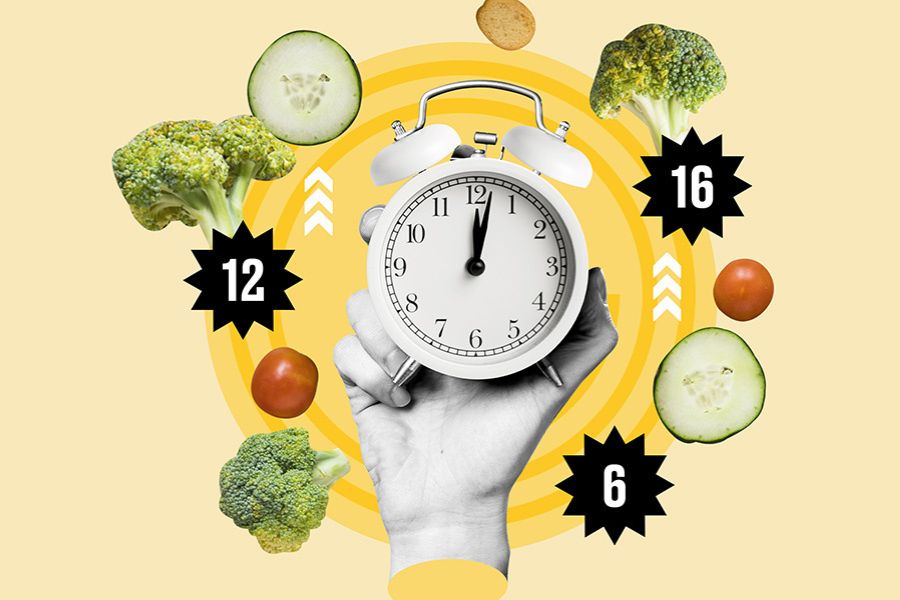
Common options include time restricted eating, where you fast each day for a set number of hours, and weekly patterns that change your intake on certain days. Examples include the 16/8 method, where you fast for 16 hours and eat within an 8 hour window, and the 5:2 approach, where you eat normally five days per week and limit calories on two non consecutive days (Johns Hopkins Medicine).
Health experts often suggest that women start with a gentler schedule, such as a 12 hour overnight fast, for example 8 p.m. to 8 a.m., then slowly lengthen the fasting window if you feel well (Cleveland Clinic). Very intense plans like one meal a day, which involves a 23 hour fast and a 1 hour eating window, are usually not ideal if you are active, working on strength, or managing medical conditions (Verywell Health).
Registered dietitians recommend using trial and error. Some women feel better with a 14 or 16 hour fast, while others need shorter fasts to avoid low energy and irritability (Cleveland Clinic).
Know how intermittent fasting affects women
Your body does not respond to fasting exactly the same way as a man’s body. Fluctuating hormones, stress levels, and reproductive health all play a role. Research suggests that females may be more sensitive to fasting, and that energy deficits can affect menstrual regularity, fertility, and even bone health, although more human studies are still needed (ZOE, Verywell Health).
Your reproductive hormones, especially estrogen and progesterone, are governed by a signaling hormone called GnRH. Fasting can disrupt this signal, which may lead your body to delay ovulation when it senses food scarcity (Cleveland Clinic). This is one reason experts encourage a cautious, low intensity approach if you are premenopausal or trying to conceive.
Postmenopausal women, who no longer ovulate, may tolerate intermittent fasting more easily, although they still need to pay attention to energy levels, bone health, and overall nutrition (Cleveland Clinic). In one study, women over 60 following a 16/8 schedule for six weeks lost about 2 kilograms of body fat on average, suggesting short term weight loss benefits are possible in this group (ZOE).
Weigh the potential benefits
If you choose a schedule that suits your body, intermittent fasting for women can offer a few promising benefits, especially for metabolic and heart health.
By extending the time between meals, you may help lower insulin levels and improve insulin sensitivity, which can support blood sugar control and reduce appetite (Cleveland Clinic). Metabolic switching from sugar to fat use may promote fat loss and could support brain health over time (Johns Hopkins Medicine).
Some research suggests intermittent fasting can improve blood pressure, cholesterol, and inflammatory markers in women, which are key for heart health, although these gains may fade once you return to your previous eating pattern (ZOE). In an eight week trial that used a 4 or 6 hour eating window, women lost around 3 to 4 percent of their starting weight and saw improvements in insulin resistance and oxidative stress markers (UIC Today).
For some women, especially those with higher blood pressure, cholesterol, or IBS, intermittent fasting can be one of several tools to support those conditions, as long as you still prioritize a nutrient dense diet (Cleveland Clinic).
Be aware of the risks and side effects
Intermittent fasting is not risk free, especially for women who are sensitive to blood sugar changes or who are in certain life stages. In the first days or weeks, you might notice hunger, fatigue, irritability, headaches, or constipation as your body adjusts (Healthline, Harvard Health Publishing). These symptoms often improve, but they are a sign to move slowly instead of forcing a strict plan.
Fasting can trigger low blood sugar in some women, which tends to show up as crankiness, mood swings, shakiness, or trouble focusing (Healthline). A small study of women fasting for 18 hours found higher irritability during the fast, though participants also reported feelings of pride and self control afterward (Healthline).
There are also longer term concerns. If you do not eat enough during your eating windows, you could increase your risk of malnutrition, lose lean muscle, and affect bone strength (Healthline). Overly strict fasting can provoke binge eating in some women and encourage overeating during non fasting periods because your appetite hormones and brain hunger signals push you to compensate (Harvard Health Publishing).
Older adults with low body weight may lose too much weight on fasting plans, which can harm bone density, immune function, and energy (Harvard Health Publishing). Hormonal shifts can lead to irregular periods or ovulation changes if your body senses that food is inconsistent (Cleveland Clinic).
If you notice missed periods, hair thinning, constant fatigue, or intense cravings after starting intermittent fasting, those are important signals to pause and talk with a healthcare professional.
Know who should be cautious or avoid fasting
Intermittent fasting for women is not appropriate for everyone. Some situations call for extra caution or a different approach altogether.
You should talk with your doctor before starting if you are pregnant, trying to conceive, or breastfeeding, because fasting can affect fetal growth and milk supply (ZOE, Healthline). The same is true if you have diabetes or use medications that require food, since fasting can raise the risk of hypoglycemia or cause dangerous changes in minerals like sodium and potassium (ZOE, Harvard Health Publishing).
Women with a current or past eating disorder are generally advised not to fast without close medical supervision, because rigid rules and long gaps between meals can worsen binge eating or orthorexia (Cleveland Clinic, Healthline). If you are doing strength training or trying to build muscle, very long fasting windows can make it hard to get enough calories and protein to maintain lean mass (Verywell Health).
Perimenopause, the years leading up to menopause, is another time to tread lightly. Hormones are already shifting, and aggressive fasting might further disrupt estrogen and progesterone levels. A gentle 12 hour overnight fast is usually the upper limit recommended at first for premenopausal women, especially if you are sensitive to stress, sleep disruption, or blood sugar swings (Cleveland Clinic).
Eat well during your eating window
Intermittent fasting only supports health if you fill your eating windows with nourishing foods. If you treat those hours as a free pass for low quality meals, you might cancel out many of the benefits.
Experts suggest focusing on a Mediterranean style pattern with plenty of leafy greens, colorful vegetables, whole grains, healthy fats like olive oil and nuts, and lean protein sources such as fish, beans, or poultry (Johns Hopkins Medicine). This type of eating supports heart health, steady energy, and digestion whether or not you are fasting.
During each eating window, aim to:
- Include a source of protein at each meal to protect muscle
- Add fiber rich vegetables and whole grains for fullness and gut health
- Use healthy fats to help you feel satisfied, not stuffed
- Drink water regularly so mild dehydration does not feel like hunger
Try to avoid the urge to overcompensate after a fast. Overeating, especially on very salty or sugary foods, can make you feel unwell and can undermine weight management goals (Harvard Health Publishing).
Start gently and listen to your body
The simplest way to try intermittent fasting for women is to expand what you are already doing overnight. If you currently eat from 7 a.m. to 9 p.m., begin by closing your kitchen by 8 p.m. and pushing breakfast to 8 a.m. That gives you a 12 hour fast without a drastic change.
Stay at that level for at least a couple of weeks. Notice your hunger, energy, mood, sleep, and menstrual cycle. If you feel well, you might shift to a 13 or 14 hour fast by ending dinner a bit earlier or eating breakfast a little later. Longer windows like 16 hours should be optional, not required.
Cleveland Clinic experts note that gradually shortening your eating window over several months can help your body adapt and reduce side effects (Harvard Health Publishing, Cleveland Clinic). If at any point you feel consistently drained, lightheaded, or anxious around food, those are signs to stop and reconsider with a healthcare professional.
You can also time your fasting around your menstrual cycle. Some specialists suggest that you may tolerate fasting better in the days after your period begins and the following week, and that you should be more cautious the week before your period, when your body is more sensitive to stress (Cleveland Clinic).
Key takeaways for women
Intermittent fasting for women can be a helpful tool, but it works best when you treat it as flexible, not extreme. You are looking for a pattern that supports your hormones, energy, and daily life, not a test of willpower.
- Use a gentle schedule, such as a 12 to 14 hour overnight fast, as your starting point
- Focus on quality food in your eating window, following a Mediterranean style pattern
- Watch for signs of low energy, mood changes, or menstrual shifts, and adjust if needed
- Avoid strict fasting if you are pregnant, breastfeeding, managing certain conditions, or have a history of disordered eating, unless your doctor recommends it
If you are curious, try one small change this week, like finishing dinner an hour earlier, and see how your body responds. From there, you can decide whether intermittent fasting deserves a place in your long term routine.