A keto diet meal plan can feel overwhelming at first. Once you understand a few basics and see what a real week of eating looks like, it gets much easier to follow and enjoy.
Below, you will learn how a keto meal plan works, what to eat in a typical day, and how to prep your food so you are not thinking about carbs every five minutes.
Understand how a keto diet works
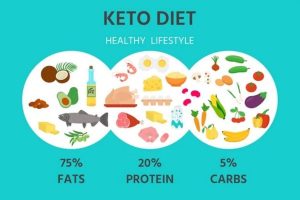
At its core, a keto diet is a very low carb, high fat way of eating. You keep carbs low enough that your body uses fat for fuel instead of relying on sugar from carbohydrates.
Most keto diet meal plans limit you to about 20 grams of net carbs per day so your body can enter ketosis and burn more fat for energy (Diet Doctor). Net carbs are total carbs minus fiber and certain sugar alcohols.
You will mostly eat:
- Protein such as meat, poultry, seafood, and eggs
- Plenty of low carb vegetables
- Higher fat foods like avocado, olive oil, butter, nuts, and seeds
When you follow this structure, studies suggest you may see more fat loss and better insulin sensitivity compared with traditional low fat diets, especially if you have overweight or metabolic issues (Diet Doctor).
Weigh the benefits and possible downsides
A keto diet can offer several benefits if it suits your body and lifestyle. It is also not the right fit for everyone, so it helps to go in with a balanced view.
On the positive side, a well planned keto diet meal plan may support:
- Weight loss and reduced body fat, especially around the midsection (Diet Doctor)
- Lower blood sugar and better insulin control
- More stable energy, since you are not riding a blood sugar roller coaster all day
Keto is also being studied for its role in blood sugar management and as a supportive approach for certain neurological conditions (Healthline).
There are trade offs. A strict keto diet can:
- Cause a short term “keto flu” with headaches, fatigue, and brain fog as your body adapts
- Lead to more sodium, potassium, and magnesium loss through the kidneys, which can trigger fatigue and stomach upset if you do not replace them (MercyOne)
- Shift blood lipid markers and increase bone breakdown in some people, so you may need monitoring and supplements (UC Davis Health)
If you are an athlete or do intense training, a classic keto diet might hurt your performance and increase lean tissue loss, so it is usually not recommended in that situation (UC Davis Health).
If you have any medical conditions, work with a healthcare provider or dietitian before you start or stick with keto long term.
Know what to eat and what to limit
Having a clear food list makes building a keto diet meal plan much simpler. Instead of counting every gram forever, you can focus on the main categories.
Keto friendly proteins
Protein keeps you full and helps you maintain muscle while you lose weight. On keto, you can enjoy a wide variety:
- Seafood such as salmon, sardines, and mackerel, which are rich in omega 3 fats and contain very few carbs (Healthline)
- Fresh meat and poultry such as beef, pork, chicken, and turkey, which provide protein, B vitamins, and minerals, and have little to no carbohydrates (Healthline)
- Eggs, which have less than 1 gram of carbs per large egg and help you feel satisfied for longer (Healthline)
Clinical evidence suggests eating eggs daily for breakfast does not harm cholesterol levels in keto diets and may improve satiety, which can support weight loss efforts (Diet Doctor).
Low carb vegetables and fats
Most of your carbs on keto will come from nonstarchy vegetables. These give you fiber, vitamins, and a sense of volume on your plate.
Good options include:
- Leafy greens like spinach, kale, and lettuce
- Peppers and zucchini
- Cauliflower, spaghetti squash, jicama, and turnips as swaps for higher carb sides (Healthline)
- High fat produce such as avocados and olives for extra healthy fats (Healthline)
Round your meals out with healthy fat sources:
- Olive oil, avocado oil, and coconut oil
- Butter or ghee
- Nuts and seeds in small portions
These fats help you stay full, make food taste satisfying, and provide the higher fat intake that supports ketosis (Healthline).
Dairy and beverages
Many people enjoy including dairy in a keto meal plan. If you tolerate it, choose:
- Low carb cheeses like cheddar, which has about 1 gram of carbs per ounce (Healthline)
- Plain Greek yogurt and cottage cheese, eaten in moderation for their protein
- Cream and half and half in small amounts
For drinks, focus on:
- Water, still or sparkling
- Unsweetened coffee and tea
- Unsweetened plant milks like almond, soy, or coconut, and check labels for hidden sugars (Healthline)
What you avoid is just as important. A keto diet usually cuts out starchy foods such as bread, pasta, rice, potatoes, most desserts, and many high sugar fruits. You might include small portions of higher fiber fruits like raspberries if they fit your daily carb limit (UC Davis Health).
See a simple sample day of eating
It helps to see what a realistic keto diet meal plan looks like. Below is a sample day that stays under 20 grams of net carbs, which is a common benchmark for ketosis (Diet Doctor).
This sample is for general information only and is not personalized medical advice.
Breakfast
Scrambled eggs cooked in butter with spinach and cheddar
Half an avocado on the side
Black coffee or tea with a splash of cream
Snack
Celery and cucumber sticks with a full fat dip made from Greek yogurt and herbs
Lunch
Large salad with mixed greens, grilled chicken, cherry tomatoes, olives, and feta
Olive oil and vinegar dressing
Snack
A small handful of almonds or walnuts
Dinner
Baked salmon with lemon and herbs
Roasted cauliflower tossed in olive oil
Side of sautéed zucchini
Dessert (optional)
A few raspberries with whipped heavy cream that has no added sugar
You can repeat breakfast ideas several times a week to keep things simple. Many structured plans rely on repeating breakfasts and some lunches so you do not have to cook something new every day (Whole Foods Market).
Borrow ideas from ready made keto plans
If you like structure, you do not have to start from a blank page. Several trusted organizations share full keto meal plans you can adapt to your tastes and lifestyle.
For example, one 7 day keto friendly plan from a major grocery chain includes recipes like Herbed Prime Rib Roast, Pizza Style Stuffed Portobellos, and Pan Seared Chilean Sea Bass with Caramelized Lemon Sauce, all designed for two adults and scaled to leave leftovers for lunch (Whole Foods Market). The same plan builds in snacks and desserts such as:
- Celery and cucumber sticks with chipotle dip
- Parmesan crisps and pork rinds
- A packaged chocolate bar that is formulated to be low carb
Since many breakfasts in that weekly plan repeat, such as egg white omelet bites or keto friendly yogurt with chia seeds and raspberries, you spend less time cooking while still eating within your carb range (Whole Foods Market).
If you prefer a longer roadmap, a 14 day keto diet meal plan from a low carb health site keeps daily net carbs under 20 grams and uses popular recipes for breakfast, lunch, and dinner. It is especially geared to adults with conditions like obesity who want stricter carb control (Diet Doctor).
Use these as guides, not rigid rules. Adjust portions, swap proteins, or change vegetables based on what you enjoy and what fits your budget.
Plan, prep, and shop with less stress
The more you plan ahead, the easier it will feel to follow a keto diet meal plan without constantly checking labels.
Start with three simple steps:
-
Plan your week on paper
Decide on 2 breakfasts, 2 or 3 lunches, and 3 dinners you will rotate through. Make sure each meal includes a protein source, at least one low carb vegetable, and a source of healthy fat. Planning helps you avoid hidden carbs and less intentional choices (MercyOne). -
Prep what you can in advance
Many successful keto meal plans build in prep strategies like chopping vegetables ahead, pre cooking proteins, or using ready to eat ingredients such as rotisserie chicken or prepared sashimi on busy nights (Whole Foods Market). A couple of hours on the weekend can save you from last minute, high carb takeout. -
Keep smart snacks on hand
Stock snacks that fit your plan so you are not tempted by high sugar options. Think cut vegetables with dip, cheese, hard boiled eggs, nuts in pre portioned containers, or a yogurt you know fits your carb target.
When you shop, get into the habit of reading labels. To maintain ketosis, you typically need to keep net carbs under 20 grams per day or total carbohydrates under about 30 grams, which means avoiding sugar and refined carbs as much as possible (MercyOne).
Be cautious with products marketed as “keto.” Many bars and fat bombs rely on sugar alcohols like erythritol and maltitol. These can add empty calories and keep sugar cravings going even if the net carb count seems low (MercyOne).
Avoid common beginner mistakes
A few simple shifts can save you from the roughest parts of starting keto and help you feel better as you adjust.
One major mistake is not replacing minerals that your body loses when insulin levels drop. On keto, your kidneys release more sodium, potassium, and magnesium, which can lead to fatigue, headaches, and upset stomach if you do not replenish them (MercyOne). You can ease the “keto flu” by:
- Drinking plenty of water
- Adding extra salt to your meals if your doctor says it is safe
- Having a daily cup of bouillon or salty broth, especially in the first week (Diet Doctor)
Another mistake is assuming keto means unlimited processed meat and cheese. A nutritious keto diet still focuses on whole foods such as leafy greens, high quality proteins, nuts, seeds, and a mix of unsaturated and saturated fats (MercyOne).
Finally, be careful about cutting carbohydrates without considering your overall nutrition. Different styles of keto exist, including classic, modified keto, and a modified Atkins approach, and each has its own balance of fats, protein, and carbs (UC Davis Health). A registered dietitian can help you choose a style that fits your health needs.
Move forward with a realistic plan
You do not have to build the perfect keto diet meal plan overnight. Start by choosing your daily carb limit, then map out a few simple meals built around protein, low carb vegetables, and healthy fats.
Repeat breakfasts, cook extra servings at dinner for leftovers, and use pre planned guides when you need inspiration. Pay attention to how you feel, watch for signs of mineral loss, and talk with your healthcare team if you plan to stay on keto long term.
Most importantly, treat keto as one tool among many for improving your health. As you learn which foods keep you energized and satisfied, you can keep adjusting your meal plan so it feels sustainable, not restrictive.