Low carb weight loss can work very well for you, but small mistakes can quietly slow your progress or make the plan feel harder than it needs to be. The good news is that once you spot these patterns, they are usually easy to fix.
Below are the most common low carb mistakes you are likely to run into, plus practical ways to avoid each one so you can lose weight and protect your health at the same time.
Misunderstanding what “low carb” really means
A lot of frustration with low carb weight loss starts with a fuzzy definition. You might think you are low carb because you cut bread at lunch, but your overall intake can still be high enough to stall results.
According to the Dietary Guidelines for Americans, a typical diet gets 45 to 65 percent of its calories from carbohydrates. A low carb diet usually drops that to around 26 percent or less, which is under 130 grams of carbs per day for most adults, while very low carb or ketogenic plans often aim for 20 to 50 grams per day (Harvard Health Publishing; Mayo Clinic).
You do not have to follow a strict keto diet to see benefits. However, you do need a clear daily range, even if it is a simple target like 80 to 100 grams of carbs. Once you know your number, it is much easier to tell whether the way you eat matches the results you want.
Ignoring total calories because “carbs are low”
Cutting carbohydrates often leads to rapid weight loss in the first 6 to 12 months, partly because you feel fuller from more protein and fat and may burn slightly more calories per day, although the exact mechanism is still debated (NCBI Bookshelf). That early success can trick you into thinking calories no longer matter.
They still do. You can gain weight eating low carb if you consistently eat more energy than your body uses.
High fat foods are especially easy to overdo. A small handful of nuts, a generous pour of cream, and a few slices of cheese can add up quickly. Even if each item fits your carb limit, the total calorie load can slow or stop fat loss.
If the scale has not moved for a few weeks, track both carbs and total calories for a short period. You might find your portions creeping up, especially for calorie dense items like oils, cheeses, nuts, and keto snacks.
Focusing only on “net carbs” and labels
You have probably seen products that shout “3 net carbs” on the front of the package. It is tempting to rely on that number, but it can be misleading.
Some low carb experts recommend counting total carbohydrates instead of net carbs for weight loss, because net carb calculations can hide how much you are actually eating (Obesity Medicine Association). Sugar alcohols and certain fibers do not always behave the same way in every person, and processed “keto” foods often use them in large amounts.
If you are not losing weight, try these adjustments for a few weeks:
- Count total carbs instead of net carbs, or at least be aware of both
- Limit low carb packaged snacks and bars
- Read the full nutrition label, not just the marketing on the front
You may notice that when most of your carbs come from whole foods instead of products, your progress and energy improve.
Overloading on cheese, butter, and processed meats
One common low carb mistake is thinking “low carb” automatically means “eat unlimited bacon, cheese, and cream.” While these foods are low in carbs, they are rich in saturated fat and calories. In large amounts, they may raise LDL cholesterol and strain heart health over time, even if your triglycerides and HDL improve (Harvard Health Publishing; NCBI Bookshelf).
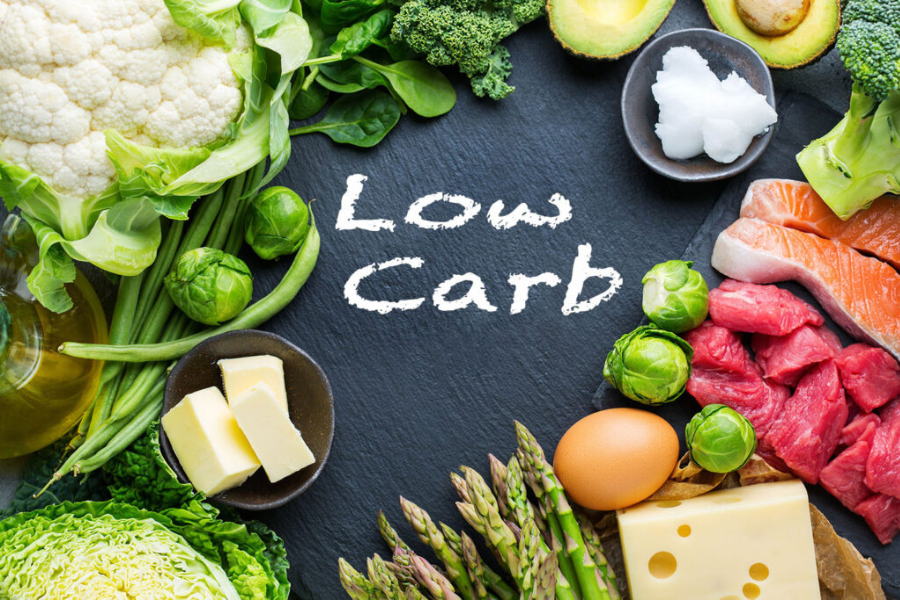
A healthier low carb plate still includes fat, but it leans on better sources such as:
- Olive oil or avocado oil for cooking and salad dressings
- Avocados, nuts, and seeds for snacks and toppings
- Fatty fish like salmon, mackerel, or sardines for omega 3s
Experts who work with ketogenic diets often encourage you to prioritize these unsaturated fats even if you are eating foods like red meat or cheese in moderation (Northwestern Medicine).
Skimping on non starchy vegetables and fiber
When you first lower carbs, it is easy to cut bread, pasta, and fruit, but you might accidentally cut vegetables too. That can leave you low on fiber, which is crucial for digestion, hunger control, and heart health.
Low carb diets can increase the risk of constipation if you do not replace grain based fiber with enough vegetables and other low carb, high fiber foods (Harvard Health Publishing). To avoid this, build each meal around non starchy vegetables like leafy greens, broccoli, cauliflower, zucchini, peppers, and asparagus (Healthline).
You can also include small portions of lower sugar fruits, such as berries, avocados, and olives, if they fit your daily carb limit (Healthline). Your plate will feel fuller, your digestion will usually improve, and you will get more vitamins and minerals without adding many carbs.
Dropping carbs too fast without a transition plan
For some people, going from a high carb pattern to a very low carb or ketogenic diet overnight leads to headaches, fatigue, irritability, and mental fog, often called the “keto flu.” When carbohydrates drop sharply, your body shifts from using glucose to burning fat and producing ketones for fuel, a metabolic state called ketosis (Cleveland Clinic).
Ketosis itself is not dangerous for most healthy people, but the transition can feel rough, especially in the first 2 to 4 days as your body adjusts (Cleveland Clinic). If you jump straight to 20 grams of carbs without preparation, you are more likely to feel miserable and quit.
You can make the change gentler by:
- Reducing refined carbs like sugary drinks, sweets, and white bread first
- Adding more protein and healthy fat at each meal so you stay satisfied
- Gradually stepping down your daily carb target over 1 to 2 weeks
This slower approach still supports low carb weight loss, but it gives your metabolism and your habits time to adapt.
Forgetting about protein quality and consistency
Protein is the quiet workhorse of low carb weight loss. It helps you feel full, protects your lean muscle as you lose fat, and stabilizes blood sugar and appetite. Many low carb plans work partly because people naturally eat more protein and fat and less refined carbohydrate, which boosts satiety and reduces overall calorie intake (Mayo Clinic).
If your meals are mostly fat and very low in protein, you may feel hungry sooner and lose more muscle than you intend. Try to include a clear protein source at each meal, such as eggs, poultry, fish, tofu, tempeh, Greek yogurt, or lean cuts of meat.
Animal proteins like meat, eggs, and most seafood contain very few carbs, which makes them helpful choices on a low carb plan, as long as you balance them with vegetables and healthier fats (Healthline).
Relying only on the scale and ignoring health markers
Low carb diets have been studied not just for weight loss but also for their effects on blood sugar, insulin needs, and cholesterol levels. In people with type 2 diabetes, low carb eating can improve glycemic control, reduce medication needs, and sometimes lead to remission, which means maintaining an A1c below 6.5 percent without drugs for at least three months (NCBI Bookshelf).
You might not see big shifts on the scale every week, especially after the initial water loss, but your body can still be changing in meaningful ways. Improved triglycerides, higher HDL, better blood pressure, and lower fasting glucose are all signs that the way you are eating is helping, even if weight loss slows for a period (Harvard Health Publishing).
If possible, track both your weight and your health markers with your health care team. That bigger picture can keep you motivated and help you fine tune your approach.
Think of the scale as one data point, not the only verdict on whether your low carb efforts are working.
Ignoring potential side effects and personal risks
For most people with normal kidney function, higher protein intake on a low carb diet has not been shown to cause kidney damage, although long term safety data are still being studied (NCBI Bookshelf). However, that does not mean low carb is risk free or right for everyone.
Possible issues include:
- Nutrient gaps if you cut many food groups without planning, which can lead to fatigue or constipation (Mayo Clinic)
- Increased LDL cholesterol in some people, even as triglycerides and HDL improve (NCBI Bookshelf)
- Difficulty maintaining very strict ketogenic diets due to limited food choices, with a risk of rapid regain once you stop (Northwestern Medicine)
If you have diabetes, kidney disease, heart disease, or take medications that affect blood sugar or blood pressure, it is especially important to work with a qualified professional when you change your diet. They can help you adjust medications safely and choose a carb level that suits your health.
Expecting keto level results from a lifestyle you cannot maintain
You might be attracted to stories of dramatic weight loss on very low carb or ketogenic diets. Those results can be real. Low carb approaches often produce faster early losses than other diets, especially in the first 6 to 12 months (NCBI Bookshelf; Mayo Clinic). However, at 12 to 24 months, the differences between low carb and other plans tend to shrink because long term consistency matters most (Mayo Clinic).
If you choose a level of carb restriction that feels extreme, you may white knuckle it for a short time and then slide back into old habits. That on again, off again cycle can be discouraging.
It is more realistic to pick a version of low carb that you can imagine living with. For some people, that means a moderate low carb pattern with 75 to 130 grams of carbs per day and a strong focus on whole foods. Others may cycle between stricter periods and more flexible maintenance periods. The best plan is the one that steadily moves you toward better weight and health and still fits your real life.
Putting it all together for better low carb results
Low carb weight loss is about more than just cutting bread and pasta. It works best when you:
- Know your daily carb target instead of guessing
- Keep an eye on calories and portions, especially for rich fats
- Base meals around protein and non starchy vegetables
- Choose healthy fats more often than heavy processed meats and cheeses
- Transition at a pace your body can handle
- Track health improvements beyond the scale
- Match your carb level to a lifestyle you can maintain
You do not need to fix every mistake at once. Start with the one that feels most familiar, maybe adding more vegetables, watching total carbs instead of only net carbs, or trimming back on “keto treats.” Small, steady changes will make your low carb plan work harder for you, while still feeling doable in the long run.