A paleo plate looks simple: meat, vegetables, some fruit, nuts, and seeds. Yet the potential paleo diet benefits for your weight, blood sugar, mood, and overall health are anything but basic.
By shifting away from ultra-processed foods and focusing on whole, nutrient-dense ingredients, you may see noticeable changes in how you look, feel, and move. At the same time, it is important to understand what the research actually shows so you can make informed choices instead of relying on hype.
Below, you will explore how a paleo diet might benefit your body and mind, where the evidence is strongest, and what to watch out for before you overhaul your eating habits.
Understand what the paleo diet really is
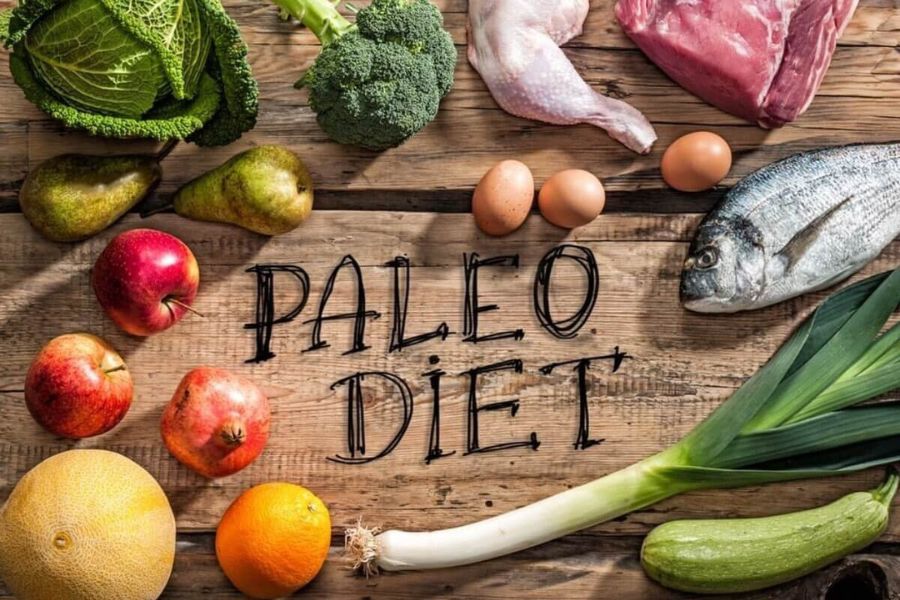
The modern paleo diet is modeled on the foods humans are thought to have eaten before agriculture. You base your meals on:
- Vegetables, especially non starchy ones
- Fruits in moderate amounts
- Lean meats and eggs
- Fish and seafood
- Nuts and seeds
You avoid:
- Grains, such as wheat, rye, barley, and oats
- Legumes, such as beans, lentils, and peanuts
- Dairy products
- Most added sugars, refined oils, and highly processed foods
Mayo Clinic describes paleo as an approach focused on fruits, vegetables, lean meats, fish, eggs, nuts and seeds while excluding grains, legumes, and dairy that came with farming (Mayo Clinic). In practice, that means you eat plenty of fresh foods and very little from boxes or drive through windows.
This food pattern is naturally higher in protein, moderate in carbohydrates, and relatively high in fat, with an emphasis on unsaturated fats from fish, nuts, and seeds (Harvard T.H. Chan School of Public Health).
Tap into paleo’s weight loss potential
If you are drawn to paleo to lose weight, you are not alone. Several clinical trials and reviews suggest that a paleo pattern can support weight and fat loss, at least in the short to medium term.
A meta analysis of 21 randomized controlled trials with 700 adults found that people following a Paleolithic diet lost an average of 5.8 kg in body mass and reduced BMI by 2.1 in the short term, up to 6 months, and these changes were generally greater than those seen with other healthy diets used as controls (PMC – NCBI). Longer studies of more than 6 months showed continued weight loss, averaging 8.7 kg, along with a reduction in waist circumference of 12.1 cm and fat mass reductions of 5.5 kg (PMC – NCBI).
Several factors may explain why paleo can help you lose weight:
- Higher protein intake keeps you fuller for longer and can reduce overall calorie intake without meticulous tracking
- Whole foods are less calorie dense and more satisfying than ultra processed snacks and desserts
- Cutting sugary drinks, refined grains, and sweets removes many of the easiest calories to overeat
Some smaller randomized controlled trials, typically 6 months or less, also report greater weight loss, reduced waist size, lower blood pressure, and improved insulin sensitivity for people on paleo compared with those following national nutrition guidelines (Harvard T.H. Chan School of Public Health).
If you decide to try paleo for weight loss, you still need reasonable portions, enough movement, and consistency. The diet is a tool, not magic, but it can make it easier to feel satisfied while eating fewer empty calories.
Support healthier blood sugar and insulin levels
You might hear claims that paleo is ideal for blood sugar control and type 2 diabetes. There is some early promise, but the full picture is more nuanced.
On the positive side, a large meta analysis found that the Paleolithic diet produced significant improvements in carbohydrate metabolism markers, including fasting plasma glucose, fasting insulin, and insulin resistance measured by HOMA IR, especially in the short term. These benefits were stronger than those seen with the comparison diets and were largely maintained over longer periods (PMC – NCBI).
People with type 2 diabetes who adopt paleo sometimes report quick improvements in blood pressure, cholesterol, and blood sugar control. Some even lower or pause certain diabetes medications under medical supervision (Everyday Health). High protein, lower carbohydrate intake, and a focus on vegetables and lean meats can help keep blood sugar from spiking as often.
Registered dietitian Melissa Joy Dobbins notes that because paleo significantly restricts carbohydrate rich foods, you naturally eat fewer foods that raise blood sugar, which can help people with type 2 diabetes keep levels in a better range (Everyday Health).
At the same time, a 2020 systematic review and meta analysis that looked specifically at four randomized controlled trials in adults with altered glucose metabolism did not find significant differences between paleo and other healthy diets on fasting glucose, fasting insulin, insulin resistance, HbA1c, or glucose and insulin responses during oral glucose tolerance tests (PMC). In other words, paleo was not clearly superior in these measures when compared with other thoughtful diets.
If you have type 2 diabetes or prediabetes, paleo may help you lower added sugar and refined carbs, which is almost always beneficial. However, you should not stop or change medications without talking with your healthcare team, and you should be aware that other balanced diets can deliver similar blood sugar benefits without cutting out entire food groups.
Improve your heart and metabolic health markers
Paleo diet benefits extend beyond the scale and blood sugar. Research points to improvements in several cardiovascular and metabolic markers, although again, results can vary.
In the meta analysis of 21 trials, people on a Paleolithic diet showed statistically significant reductions in:
- Total cholesterol, by an average of 0.6 mg/dL
- LDL cholesterol, by 0.37 mg/dL
- Systolic blood pressure, by 6.9 mmHg
- Diastolic blood pressure, by 4.9 mmHg
These changes were generally greater than those seen in the control diets (PMC – NCBI). Another two year randomized controlled trial of 70 postmenopausal women with obesity found that a paleo diet led to greater fat loss at 6 months and significantly more reduction in triglycerides at both 6 and 24 months compared with a Nordic diet based on official nutrition recommendations (Harvard T.H. Chan School of Public Health).
A large observational study of young adults in Spain linked higher adherence to a paleo style pattern with lower cardiovascular risk factors, which was largely attributed to eating more fruits and vegetables and less highly processed food (Mayo Clinic).
You also benefit from naturally lowering your intake of added salt, sugar, and industrial trans fats, which are common in packaged snacks and fast food. Harvard notes that paleo encourages nutrient dense, whole, fresh foods and discourages highly processed options, which can raise the overall quality of your diet, regardless of weight loss itself (Harvard T.H. Chan School of Public Health).
That said, how much your heart health improves will depend on your specific version of paleo. A paleo plate built mostly on vegetables, fish, nuts, olive oil, and small portions of lean meat will likely look very different in your lab results than a version that leans heavily on red meat and coconut oil.
Nourish your gut and reduce inflammation
Another set of potential paleo diet benefits involves your gut and overall inflammation.
When you adopt a thoughtful paleo pattern, you typically increase your intake of vegetables and certain types of fiber. The National University of Natural Medicine notes that higher vegetable and fiber intake supports gastrointestinal health and may help reduce general inflammation in the body (NUNM). Many paleo friendly foods are also rich in micronutrients and antioxidants, which can help protect cells from oxidative stress.
For people with type 2 diabetes, Dr. Lynda Frassetto of UCSF Medical Center points out that paleo friendly foods may provide more fiber that slows sugar absorption, more vitamins and antioxidants, and possibly beneficial effects on gut microflora (Everyday Health).
Gut health is complicated though, and long term, strict paleo might not be universally positive for your microbiome. A cross sectional study in Australia found that people who had followed a Paleolithic diet for more than one year and avoided grains and dairy had significantly lower intakes of resistant starch compared with controls. Resistant starch is a type of fiber that is important for bowel health (PMC).
The same study reported that strict paleo followers had higher blood levels of trimethylamine N oxide, or TMAO, a gut derived metabolite linked to cardiovascular disease risk. These higher TMAO levels were inversely associated with whole grain intake, and the paleo group had an increased abundance of TMA producing gut bacteria, particularly the genus Hungatella (PMC).
Interestingly, even though resistant starch intake was lower, fecal short chain fatty acid excretion did not differ significantly between the groups (PMC). That suggests your gut may adapt in complex ways, though the long term implications are not fully clear yet.
The takeaway for you is that a vegetable rich, plant varied version of paleo is more likely to support your gut than a meat heavy, low veggie version. You may also want to think carefully before eliminating all whole grains, especially if you already tolerate them well.
Experience more stable energy and mood
While large clinical trials have not focused on mood as much as weight or blood sugar, many people report that a paleo pattern leaves them with steadier energy and fewer afternoon crashes.
There are some logical reasons this might happen:
- Fewer refined carbohydrates and sweets can reduce blood sugar spikes and dips that make you feel wired then exhausted
- Consistent protein, fat, and fiber at meals help slow digestion and keep you fuller and more energized between meals
- Nutrient dense foods provide more B vitamins, magnesium, and other micronutrients that support normal nerve and brain function
Short term studies suggest that following a paleo diet can help you manage weight and certain health conditions, and for many people, that alone improves confidence, sleep, and daily comfort (Mayo Clinic). When your body feels better, your mood often follows.
If you struggle with energy swings or constant cravings, trying a balanced paleo template for a few weeks might help you determine whether focusing on whole foods and consistent meals makes a difference in how you feel.
If you decide to experiment, set a clear time frame, for example 30 days, and pay attention to your energy, sleep, digestion, and mood, not just the number on the scale.
Weigh the potential downsides and risks
Paleo diet benefits come with trade offs. The biggest concern is not usually what you add to your plate but what you remove.
By excluding whole grains, legumes, and dairy, you cut out major sources of:
- Fiber, especially certain types that support healthy cholesterol and gut function
- B vitamins, iron, magnesium, and selenium, which help with energy metabolism and chronic disease prevention (Monte Nido)
- Protein and calcium from dairy, which are important for bone health
Monte Nido highlights that cereal grains that are eliminated in paleo can help control blood sugar, lower cholesterol, and reduce chronic disease risk, and that taking out dairy may lead to calcium and vitamin D deficiencies over time (Monte Nido).
Another concern is saturated fat and red meat intake. If you rely heavily on fatty cuts of meat and butter, your saturated fat intake can climb significantly. Monte Nido notes that high saturated fat and red meat intake on a strict paleo pattern can raise LDL cholesterol and may increase the risk of heart and kidney disease and bowel cancer, with saturated fat intake potentially reaching about 50 grams per day compared with a common recommendation of around 13 grams per day (Monte Nido).
The Australian study of long term paleo followers also found that these groups had higher HDL cholesterol but increased total cholesterol, body weight, and BMI, as well as higher saturated fat intake than recommended (PMC). That suggests a very meat heavy approach may undermine some of the cardiovascular benefits you are seeking.
You will also want to consider practicality. NUNM points out that paleo often requires more time and money to buy fresh, local foods and cook at home, and that the diet can be particularly challenging if you are vegetarian or vegan, since legumes are a key protein source that paleo excludes (NUNM).
Finally, the long term benefits and risks are not fully understood. Mayo Clinic emphasizes that most paleo studies are small and short, and that a generally healthy lifestyle, regular exercise, and a balanced diet rich in fruits and vegetables may provide similar benefits without cutting out entire food groups (Mayo Clinic).
Decide if paleo is right for you
There is no one perfect diet for everyone. The key question is whether a paleo style of eating helps you move toward better health in a way that you can maintain.
You are more likely to benefit from paleo if:
- You enjoy vegetables, fruits, and basic cooking
- You are willing to plan meals and shop regularly for fresh foods
- You like the structure of a clear list of foods to choose and avoid
- You currently eat a lot of ultra processed foods, sweets, and refined grains
To get the most from paleo while limiting downsides, you can:
- Prioritize non starchy vegetables at every meal, not just meat
- Choose mostly lean meats and include fish several times per week
- Use healthy fats like olive oil, nuts, seeds, and avocado more often than butter or coconut oil
- Rotate a wide variety of plant foods to support your gut microbiome
- Work with a registered dietitian or healthcare provider to monitor cholesterol, blood pressure, and blood sugar, especially if you have existing conditions
If you have type 2 diabetes, heart disease, kidney issues, or osteoporosis, or if you are pregnant or breastfeeding, it is especially important to talk with your doctor before making major dietary changes. Everyday Health notes that people with type 2 diabetes who experience improved blood sugar on paleo sometimes reduce or pause insulin, but this effect may not last and pancreatic function varies, so medical guidance is essential (Everyday Health).
Starting with a flexible approach, such as keeping mostly paleo meals at home and allowing some whole grains or yogurt, can give you a gentler, more sustainable way to explore what works for your body.
Bringing it all together
Paleo diet benefits include meaningful weight and fat loss, better blood pressure and triglycerides, potential improvements in blood sugar and insulin sensitivity, and a natural shift away from ultra processed foods. At the same time, completely cutting out grains, legumes, and dairy can increase your risk of nutrient gaps and, if the diet is heavy in red meat and saturated fat, might raise your long term cardiovascular risk.
If you are curious, you can treat paleo as a framework, not a rigid rulebook. Emphasize vegetables, quality protein, and healthy fats, notice how your body responds, and keep your healthcare team in the loop. That way, you use the best of paleo to support your body and mind, while still respecting your individual needs and long term health.