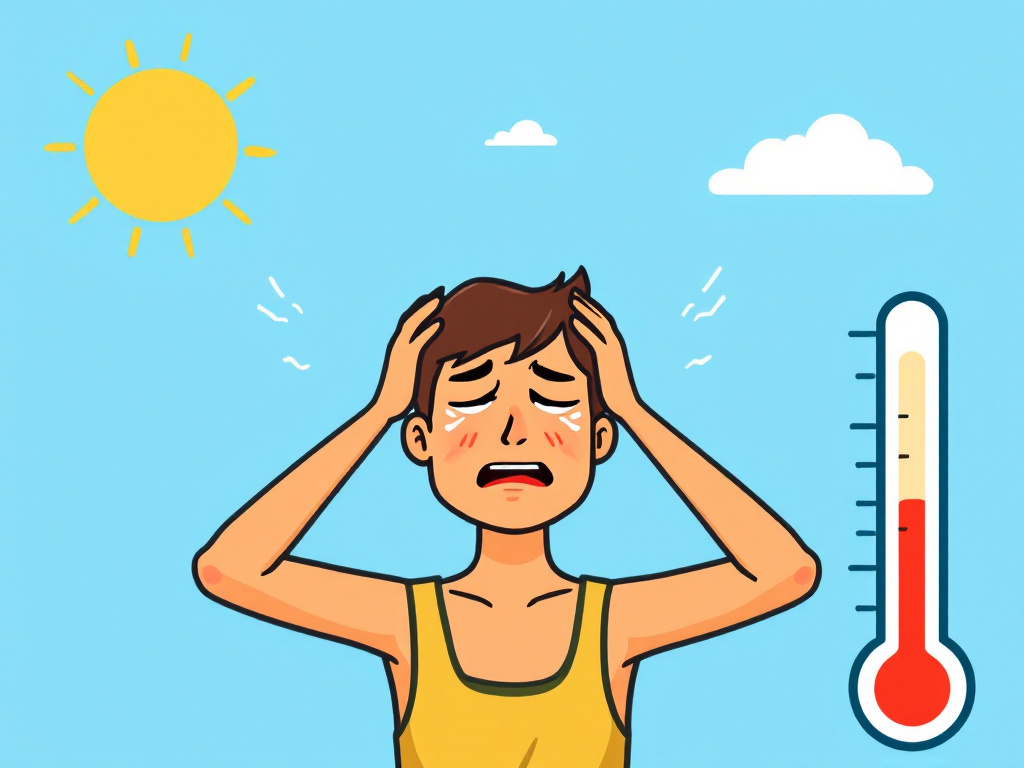
Image by Flux
Nearly every summer, emergency rooms fill up with people who thought they were “just a bit overheated.” Many of them are dealing with heat exhaustion. If you can spot heat exhaustion symptoms early, you can act fast, cool down, and avoid a life‑threatening heat stroke.
This guide walks you through how heat exhaustion works, what to watch for in your body, and what to do in the first crucial minutes.
Understand what heat exhaustion is
Heat exhaustion happens when your body overheats and loses a lot of water and salt through heavy sweating. It often shows up during sports, strenuous work, or long periods outside in hot, humid weather. At this stage your core temperature is usually below 104°F, and your brain is still working normally, but your system is struggling to cool itself down. (Mayo Clinic, UNC Health Southeastern)
You can think of heat illnesses as a spectrum:
- Heat cramps: the mildest form, with muscle cramps, heavy sweating, thirst, and fatigue. (Mayo Clinic)
- Heat exhaustion: your cooling system is close to maxed out and your symptoms are harder to ignore.
- Heat stroke: a medical emergency with a very high core temperature and signs of brain dysfunction. (Cleveland Clinic)
Heat exhaustion is the warning stage. If you catch it here, you usually recover in under an hour with the right steps. If you miss the signs or push through, it can progress quickly to heat stroke, which can be fatal in minutes. (Emory Healthcare)
Recognize early heat exhaustion symptoms
Heat exhaustion symptoms can start suddenly or creep up on you during a long workout, shift, or afternoon in the sun. (Mayo Clinic) Your goal is to notice the early pattern, not wait until you feel like you might pass out.
How your skin and sweat can warn you
Your skin tells a big part of the story. With heat exhaustion, your body is still trying to cool itself.
Common skin and circulation signs include:
- Heavy sweating that does not match your activity level
- Cool, pale, or clammy skin instead of dry and hot
- A fast but weak or faint pulse
These are key clues that your cooling system is working overtime. (Emory Healthcare, UC Davis Health, UNC Health Southeastern)
If your skin suddenly shifts from very sweaty and cool to hot and dry while you are still overheating, that is even more serious and can signal heat stroke instead.
Muscle and body warning signs
Your muscles and overall energy often signal trouble before you feel truly sick. Early on, you may notice heat cramps, which are painful, tight spasms in working muscles like your calves, thighs, arms, or abs. They are your first “slow down now” alert. (Mayo Clinic, Cleveland Clinic)
As heat exhaustion progresses, you may feel:
- Weakness or sudden fatigue
- Dizziness or lightheadedness
- Unsteady walking or feeling like you might faint
- General sense that your body is “off” or heavier than it should be
These signs often appear while you are still pushing through an activity. Listening to them and stopping is what keeps you out of danger. (UNC Health Southeastern)
Head, stomach, and breathing symptoms
Your brain and gut are very sensitive to rising core temperature and fluid loss. Common heat exhaustion symptoms here include:
- Headache that gets worse the longer you stay in the heat
- Nausea or vomiting
- Loss of appetite
- Quick, shallow breathing
- A fast heart rate, often with a feeling of your heart racing or pounding
People often brush these off as “just dehydrated” or “probably something I ate.” In hot conditions, especially with heavy sweating, assume heat exhaustion until you prove otherwise. (Cleveland Clinic, Emory Healthcare, UC Davis Health, UNC Health Southeastern)
Tell heat exhaustion from heat stroke
Knowing the difference between heat exhaustion symptoms and heat stroke symptoms helps you decide how urgently you need help.
With heat exhaustion, you usually:
- Are sweaty with cool or clammy skin
- Feel dizzy, tired, or weak, but you stay mentally clear
- Can answer simple questions normally
- Have a body temperature typically under 104°F
With heat stroke, you often see:
- Very hot skin that may be dry or only slightly sweaty
- Core temperature above 104°F
- Confusion, strange behavior, agitation, slurred speech, or loss of consciousness
- Possible seizures or collapse
Heat exhaustion exists on the same spectrum as heat stroke, so it can shift from one to the other quickly, especially if you stay in the heat or keep exercising. (Cleveland Clinic, UNC Health Southeastern)
You should seek immediate medical help if you or someone near you has any of these red‑flag symptoms in the heat:
- Confusion or unusual behavior
- Inability to drink or keep fluids down
- Loss of consciousness
- Core body temperature of 104°F or higher, measured accurately
These signs point toward heat stroke and need emergency care. (Mayo Clinic, Cleveland Clinic)
If you are not sure whether it is heat exhaustion or heat stroke, treat it as heat stroke and call emergency services. It is safer to overreact than to wait.
Take action the moment you notice symptoms
Heat exhaustion can develop quickly. Acting in the first few minutes makes a big difference and often prevents a trip to the hospital. (Emory Healthcare)
Here is what you should do as soon as you suspect heat exhaustion:
-
Stop what you are doing
End the activity immediately. Continuing to work or exercise will push your temperature higher. (Cleveland Clinic) -
Move to a cooler place
Go indoors with air conditioning if possible. If not, find shade, a breezy area, or at least somewhere out of direct sun. (UC Davis Health, UNC Health Southeastern) -
Lie down and rest
Lie flat with your legs slightly raised if you feel faint or dizzy. This helps blood flow to your brain and can steady your pulse. -
Cool your body from the outside
Use what you have: cool, wet cloths on your skin, a cool shower, a garden hose, or fanning plus misting. Pay special attention to your neck, armpits, and groin because cooling these areas helps lower core temperature faster. (Cleveland Clinic, UC Davis Health) -
Hydrate gently, not all at once
Sip cool water or a sports drink slowly and steadily. Avoid gulping large amounts at once because that can trigger vomiting, which makes dehydration worse. (Emory Healthcare, UNC Health Southeastern)
Most people start to feel better within about 30 minutes if heat exhaustion is treated quickly and correctly. If you or the person you are helping does not improve, or symptoms get worse, seek medical care right away. (UC Davis Health, UNC Health Southeastern)
Know when to get emergency help
You should call emergency services or go to the nearest ER if:
- Symptoms of heat exhaustion do not improve after 30 minutes of rest, cooling, and fluids
- You see confusion, behavior changes, slurred speech, or loss of consciousness
- You cannot drink or keep liquids down
- Your measured temperature reaches 104°F or more
- Muscle cramps, headache, or dizziness are getting worse instead of better
If you are with someone who might have heat stroke, emergency teams may use advanced cooling techniques like misting and fanning, or IV fluids, to bring the temperature down quickly and prevent organ damage. (Cleveland Clinic)
Lower your risk before the heat hits
You cannot control the weather, but you can stack the odds in your favor so heat exhaustion symptoms are less likely to show up in the first place.
Hydrate and dress with purpose
When you know you will be in the heat:
- Drink water regularly, starting before you feel thirsty, especially during outdoor work or exercise.
- Use sports drinks during longer or more intense sessions to replace sodium lost in sweat.
- Wear light, loose, breathable clothing and avoid synthetic fabrics that trap heat. (UC Davis Health, UNC Health Southeastern)
Plan around the hottest hours
Adjust your schedule when possible so you are not doing the hardest work at the worst time of day. Both UC Davis Health and UNC Health highlight that avoiding the hottest midday window between about 11 a.m. and 4 p.m. and taking regular breaks in the shade can cut your risk significantly, especially for children, older adults, and people who are less fit. (UC Davis Health, UNC Health Southeastern)
If you must work or exercise in that window, build in short cooling breaks, pace yourself, and monitor how you feel instead of focusing only on finishing the task.
Be honest about your personal risk
Anyone can develop heat exhaustion, but your risk is higher if you:
- Work outdoors or in hot indoor environments
- Play sports or train intensely in the heat
- Have heart disease or other chronic conditions
- Take medications that affect sweating or hydration
It helps to treat your risk level as a planning tool, not a reason to avoid activity. With the right habits in place, you can still do what matters to you and keep your safety margin wide. (Cleveland Clinic, Emory Healthcare)
Make heat awareness part of your self‑care
Heat exhaustion symptoms are your body’s way of saying, “I need help now, not later.” When you treat those signals as important data instead of background noise, you protect your health and lower your stress in hot conditions.
To recap your next steps:
- Learn the key symptoms, especially heavy sweating with cool, clammy skin, dizziness, headache, weakness, and nausea in the heat.
- Act fast when they appear. Stop, move to a cool place, cool your body, and sip fluids.
- Watch closely for any signs of confusion or worsening symptoms, and call for help if they show up.
- Build simple habits like smarter hydration, lighter clothing, and shaded breaks into your hot‑weather routine.
You do not have to fear hot days, but you do need a plan. The more confident you are at spotting and responding to heat exhaustion early, the safer and calmer you can feel when temperatures climb.