Peptides can sound complicated, but at their core they are small messengers that help your hormones talk to your fat cells. When you understand how peptides burn fat at the hormonal level, it becomes easier to decide whether treatments like GLP‑1 medications or peptide therapy might fit into your weight loss plan.
Below, you will learn what peptides are, how they influence appetite, metabolism, and fat storage, and what current research actually supports.
What peptides are and why they matter for fat loss
Peptides are short chains of amino acids, similar to tiny proteins. Your body uses them as signals that tell organs and tissues what to do. Many hormones that affect your weight are actually peptides or act like them.
Researchers have found that certain peptides can:
- Change how much fat you store versus burn
- Shift white fat into a more metabolically active, heat producing form
- Influence appetite and fullness signals in your brain
A 2020 review from Nanjing Medical University described how several peptides, including GLP‑1, irisin, and adrenomedullin‑2, regulate energy metabolism and fat function by binding to specific receptors and altering gene expression inside fat cells (NCBI). In other words, these signals help decide whether your body hangs on to energy as fat or uses it.
How peptides talk to your fat cells
Your fat tissue is not just storage, it is active and constantly listening to hormonal signals. Peptides interact with this system in a few key ways.
Browning your white fat
You have two main types of fat:
- White adipose tissue (WAT), which stores energy
- Brown or beige fat, which burns energy to create heat
Some peptides can encourage white fat to behave more like brown fat. This process is called “browning.”
In the 2020 review mentioned above, researchers explained that several peptides promote the browning of white adipose tissue, turning energy storing white fat into energy consuming beige fat that produces heat through a protein called UCP‑1 (NCBI). This shift means more calories are burned at rest.
Two examples are:
- Adrenomedullin‑2 (AM2), which increases UCP1 and thermogenesis in fat cells by activating AMP‑activated protein kinase and PGC1α/PRDM16 pathways in animal models (NCBI)
- Irisin, a muscle derived peptide that rises with exercise and increases the expression of brown fat genes, promoting browning and thermogenesis, with low levels linked to obesity and type 2 diabetes (NCBI)
When these peptides are active, your fat cells behave more like mini furnaces and less like storage lockers.
Changing hormone signals around appetite
Peptides also affect how hungry or full you feel by talking directly to your brain, especially the hypothalamus, which controls appetite and energy balance.
Some of the better studied appetite related peptides include:
- GLP‑1 (glucagon‑like peptide‑1), which increases satiety, slows stomach emptying, and helps regulate blood sugar
- Ghrelin, often called the “hunger hormone”, which stimulates appetite
- Neuropeptide Y (NPY), which can increase food intake and promote fat storage
Studies show that GLP‑1 receptor agonists reduce food intake, promote weight loss, and even promote browning of white fat through a SIRT‑1 dependent pathway (NCBI). By nudging your hunger and fullness signals, these peptides help you naturally eat less without relying only on willpower.
How GLP‑1 medications help you burn fat
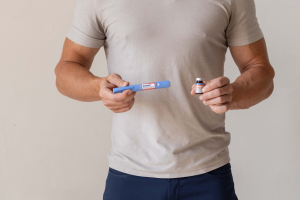
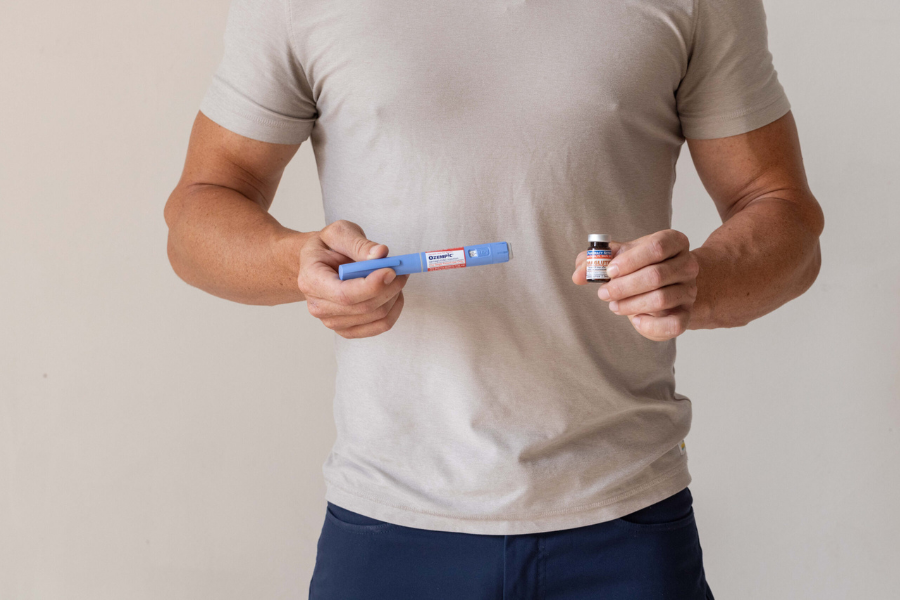
GLP‑1 receptor agonists, such as semaglutide and tirzepatide, are currently the most evidence backed “fat burning peptides” available by prescription.
According to Medical News Today, these medications promote weight loss by:
- Mimicking gut hormones that signal fullness
- Slowing gastric emptying so you stay satisfied longer
- Regulating blood sugar and insulin levels
- Reducing overall calorie intake (Medical News Today)
Clinical trials highlight just how powerful these hormonal shifts can be:
- People taking semaglutide for 68 weeks lost an average of 14.9 percent of their body weight in a 2021 study of 1,961 adults with overweight or obesity (Medical News Today)
- Those on tirzepatide, which activates both GLP‑1 and GIP receptors, lost about 20.9 percent of their body weight at 36 weeks, with additional reductions over 52 weeks, making it even more effective than semaglutide in large trials (Medical News Today)
A separate review notes that GLP‑1 receptor agonists do more than curb appetite. They also increase energy expenditure and promote browning of white fat, which further supports weight loss (NCBI).
Why injections are common
You may notice that most of these medications are injectable. That is because peptide drugs in pill form are often broken down in your digestive tract before they can work.
Research summarized by Innerbody shows that injectable peptide medications like semaglutide and tirzepatide can reach around 50 percent bioavailability, compared with less than 1 percent for many oral peptide forms, due to degradation in the gut (Innerbody). This is why you usually see weekly or daily injections rather than tablets.
Beyond GLP‑1: other emerging fat loss peptides
You might see many different peptides marketed online for weight loss, so it helps to know which ones are better studied and which are still experimental.
A 2025 review by dietitian Lainey Younkin points out that:
- The best supported, FDA approved fat burning peptides are GLP‑1 receptor agonists like semaglutide, liraglutide, and tirzepatide, which regulate blood sugar and reduce appetite
- Non‑GLP‑1 peptides such as CJC‑1295/Ipamorelin, Tesamorelin, AOD‑9604, BPC‑157, Sermorelin, and HCG have limited or weak human evidence for fat burning, and most are not approved for general obesity treatment (Lainey Younkin)
Tesamorelin is one exception. It is approved for reducing HIV associated abdominal fat and has been shown to reduce visceral fat and improve lipid profiles in that specific population (Innerbody).
Newer peptides are also under investigation:
- MOTS‑c, a mitochondrial derived peptide, appears to regulate fat metabolism, energy production, and glucose use by mimicking some effects of exercise at a cellular level and improving metabolic flexibility, according to a 2025 review (Pulse & Remedy)
- BPC‑157 has been reported to support gut health, insulin sensitivity, and appetite signaling by improving digestive function and inflammation control, which may indirectly support sustainable weight loss (Pulse & Remedy)
These are promising but still considered emerging. Much of the current evidence comes from animal studies or narrow human uses, so you should think of them as experimental rather than proven fat burners.
Safety, risks, and what to watch out for
Because peptides are naturally present in your body, it can be tempting to assume that all peptide injections are safe. However, regulation and evidence vary a lot.
Verywell Health notes that many injectable peptides sold for weight loss, injury recovery, or anti aging are not FDA approved and do not have enough human research to confirm their effectiveness or long term safety (Verywell Health). Examples include BPC‑157 and CJC‑1295.
There are a few key concerns to be aware of:
-
Unregulated products
Some fat burning peptide injections are produced in compounding pharmacies or sold online without strong oversight, which raises questions about purity, accurate dosing, and contamination (Verywell Health). -
Side effects, even with approved drugs
FDA approved peptides like semaglutide can cause gastrointestinal symptoms and appetite changes. Medical News Today also highlights delayed gastric emptying, which may affect how you absorb other medications and is a concern during pregnancy (Medical News Today). -
Unknown long term risks
For many unapproved peptides, the long term risks and ideal dosing are simply not known yet. Healthcare providers caution that reported side effects include fatigue, headaches, and digestive upset, among others (Verywell Health).
Because of these issues, weight loss peptides require a prescription and should only be used under medical supervision (Medical News Today).
If you are considering peptide injections for fat loss, you should always talk with your healthcare provider first, especially if you take other medications or have chronic conditions.
How to make peptides work with your lifestyle
Even the most powerful fat burning peptides work best as part of a bigger picture, not as stand‑alone fixes.
Dietitian Lainey Younkin notes that GLP‑1 peptides often require long term use to maintain weight loss, and people tend to regain a significant portion of weight within a year after stopping semaglutide if lifestyle habits do not change. She emphasizes pairing these medications with higher protein intake and strength training to preserve muscle (Lainey Younkin).
If you and your clinician decide that a peptide is right for you, you can maximize your results by:
-
Prioritizing protein and fiber
Build meals around lean proteins, vegetables, fruits, and whole grains so you feel full on fewer calories and support muscle maintenance. -
Lifting weights or doing resistance training
Your body burns more calories at rest when you have more lean mass. Strength work also helps counter muscle loss from rapid weight loss. -
Monitoring how you feel
Track your appetite, energy levels, digestion, and mood. Share any changes with your provider so they can adjust your dose or medication if needed. -
Planning for the long term
Ask your clinician what happens if you stop, and work together on habits you can keep even without medication, such as meal planning or regular walks.
Over time, these behavior changes allow peptides to support your hormonal environment rather than carry the full load on their own.
Key takeaways about how peptides burn fat
Here is a quick recap of how peptides support fat loss at the hormonal level:
- Peptides are short amino acid chains that act like messengers for hormones, especially those that control appetite, metabolism, and fat cell behavior
- Certain peptides, such as GLP‑1, irisin, and AM2, can increase energy expenditure and promote browning of white fat so your body burns more calories at rest (NCBI)
- GLP‑1 receptor agonists like semaglutide, liraglutide, and tirzepatide help you lose weight by making you feel fuller, slowing digestion, and improving blood sugar control, and have strong clinical evidence behind them (Medical News Today)
- Many non‑GLP‑1 “fat burning peptides” have limited human evidence or are only approved for narrow uses, so you should treat them as experimental (Lainey Younkin)
- All weight loss peptides carry potential side effects and should be prescribed and monitored by a healthcare professional, not purchased casually online (Verywell Health)
If you are curious about how peptides burn fat in your specific situation, your next step is to discuss your goals, medical history, and current medications with a trusted provider. Together, you can decide whether a peptide fits into your plan, or whether focusing on nutrition, movement, and sleep will get you where you want to go without medication.