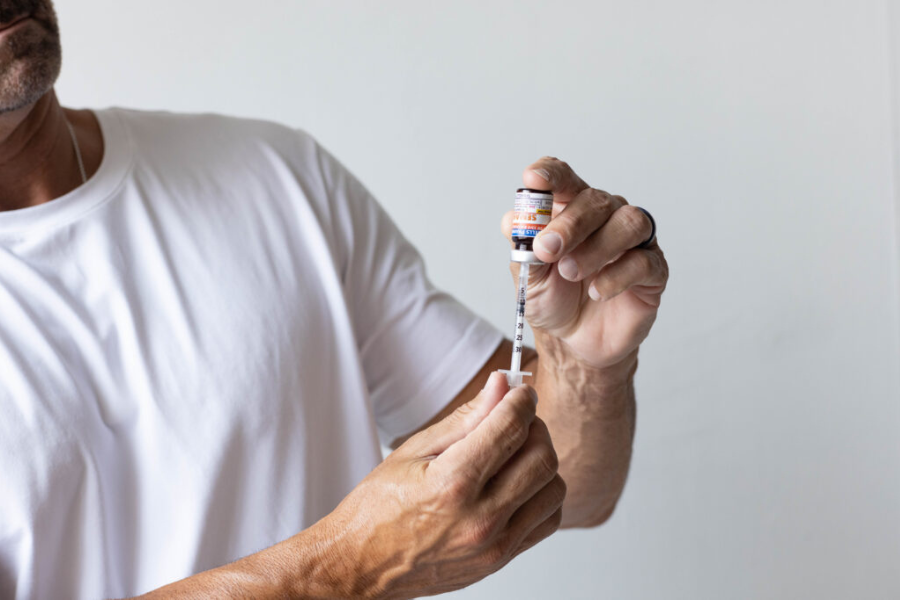
A lot of the buzz around weight loss today focuses on fat loss peptides and injectable medications. If you are curious about natural alternatives to fat loss peptides, you are not alone. You might want results that support similar pathways in your body, but without committing to prescription drugs or injections.
What follows is an overview of how peptides work, which natural options target related mechanisms, and what the research actually supports. You will also see where the evidence is weak, and why lifestyle remains the foundation of healthy, sustainable weight loss.
How fat loss peptides work in your body
Fat loss peptides like semaglutide are small chains of amino acids that act like signals in your body. They usually mimic hormones that help regulate appetite, blood sugar, or fat storage.
Many weight loss peptides work in at least one of these ways:
- Reducing appetite or cravings
- Slowing stomach emptying so you feel full longer
- Improving insulin sensitivity and blood sugar control
- Increasing energy expenditure or thermogenesis
- Influencing how your body stores or burns fat
For example, drugs in the GLP‑1 family, like semaglutide, reduce appetite and help regulate blood sugar by acting on multiple tissues, including your gut and pancreas. They tend to be powerful, but they can also cause side effects such as nausea, constipation, or muscle loss.
Researchers are now exploring new peptides, such as a naturally occurring molecule called BRP. In animal studies, BRP suppressed appetite and caused weight loss in mice and pigs without significant side effects like nausea, constipation, or muscle loss that are common with semaglutide (Stanford Medicine). BRP appears to work mainly in the hypothalamus, the region of your brain that controls appetite and metabolism, rather than acting throughout your body.
While BRP is not available to you as a treatment, it is an example of how targeting specific pathways in the brain might make weight loss more effective and tolerable in the future.
What “natural alternatives” can realistically do
When you look for natural alternatives to fat loss peptides, you are usually hoping for something that:
- Reduces appetite so you eat less
- Increases calorie burn so you lose more fat
- Helps your body handle blood sugar and insulin more efficiently
- Minimizes unpleasant side effects
Some natural compounds can influence these pathways. However, the key difference is strength and certainty. Peptides and prescription drugs are designed to create a large, measurable effect. Natural options usually create smaller, more modest changes that support, rather than replace, a healthy lifestyle.
You also need to separate three categories in your mind:
- Whole foods and dietary patterns
- Single natural compounds studied in labs and clinical trials
- Over‑the‑counter supplements that combine many ingredients and are often underregulated
The further you move from whole foods and into heavily marketed “fat burners,” the more cautious you should be.
Natural compounds that target similar pathways
Several plant‑based or naturally occurring substances influence some of the same systems that fat loss peptides affect, particularly appetite, thermogenesis, and metabolic regulation. Most have been studied in animals or small human trials, and many have promising but not definitive evidence.
Thermogenic and metabolism‑boosting compounds
Thermogenesis is your body’s process of producing heat and burning more calories, even at rest. Some natural substances can increase thermogenesis or fat oxidation.
Research has highlighted a group of natural metabolic and thermogenic stimulants, including caffeine (from coffee), ephedrine (from Ephedra sinica), capsaicin (from chili peppers), forskolin (from Coleus barbatus), and green tea extracts, as agents that enhance energy expenditure by activating the sympathetic nervous system and brown or beige fat tissue (PMC (NCBI)).
Among these, caffeine and green tea are most relevant and accessible to you.
Caffeine
Caffeine is one of the best studied natural stimulants. A 2021 review suggests that caffeine can prevent and reduce fat stores by boosting metabolism, and a 2024 study found that it increases basal metabolic rate by raising catecholamine levels, the “fight or flight” hormones that encourage your body to burn more energy (Healthline).
In practice, this means that moderate amounts of caffeine can slightly increase your daily calorie burn and may support fat loss when paired with a calorie‑controlled diet. However, it is not a standalone solution. Too much caffeine can cause jitters, sleep disruption, or a racing heart.
Green tea extract and catechins (EGCG)
Green tea extract is a popular ingredient in fat burner supplements for good reason. It contains caffeine plus polyphenols like epigallocatechin gallate (EGCG), which may enhance thermogenesis and fat oxidation.
A review of six studies found that green tea extract combined with caffeine increased fat burning by about 16 percent compared with a placebo (Healthline). Other research notes that green tea catechins promote thermogenesis and fat oxidation partly by regulating pathways like PPAR, FGF21, AMPK, and UCP1, which are involved in turning white fat into a more metabolically active “beige” or brown‑like fat (PMC (NCBI)).
This does not mean green tea acts like an injection, but it does nudge your metabolism in a direction that supports fat loss. If you prefer a food‑first approach, drinking unsweetened green tea is a gentle way to tap into these benefits.
Appetite and fullness supporting ingredients
Since many fat loss peptides work by reducing appetite, it makes sense to look at natural compounds that help you feel full on fewer calories.
Soluble fiber
Soluble fiber is one of the most reliable natural tools you can use. It absorbs water, forms a gel in your gut, and slows digestion. That means steadier blood sugar, longer lasting fullness, and often, fewer calories eaten overall.
Soluble fiber in some fat burner supplements helps control appetite and can reduce the amount of fat you absorb from food (WebMD). Supplements such as glucomannan or psyllium husk have been shown to increase fullness hormones like PYY and GLP‑1, reduce ghrelin, the main hunger hormone, and slow nutrient absorption (Healthline).
You do not have to rely on pills to get soluble fiber. You can also prioritize:
- Oats and barley
- Beans and lentils
- Apples, citrus, and berries
- Ground flaxseed and chia seeds
Building these into your daily meals can naturally mimic some of the appetite regulation that medications provide, although in a milder way.
Protein
Higher protein intake supports fat loss by helping you feel full and by preserving lean muscle, which keeps your metabolism higher. Protein supplements like whey, casein, soy, egg, and hemp powders can boost your intake if you struggle to get enough from whole foods. Research suggests that 25 to 50 grams per day, or about 1 to 2 scoops, is a common supplemental range (Healthline).
Unlike peptides, protein does not directly act on brain receptors, but it does influence fullness hormones and stabilizes blood sugar. That combination helps you naturally reduce your calorie intake without constant hunger.
Phytochemicals with anti‑obesity potential
Some plant compounds, or phytochemicals, are being studied for their ability to affect fat cell formation, storage, and breakdown. These include curcumin, anthocyanins, EGCG, and nobiletin.
In lab and animal studies, they have:
- Inhibited the formation of new fat cells
- Reduced triacylglycerol (a form of stored fat) levels
- Promoted lipolysis, the breakdown of fat
- Reduced lipogenesis, the creation of new fat (PMC (NCBI))
You find these compounds naturally in foods such as:
- Turmeric (curcumin)
- Berries and purple vegetables (anthocyanins)
- Citrus fruits (nobiletin)
- Green tea (EGCG)
When you eat a varied, colorful diet rich in these foods, you are not taking a “peptide replacement.” Instead, you are gradually shaping your metabolism in a healthier direction, supporting many of the same goals as medical treatments, but at a different scale.
Capsaicin and “browning” of fat
Capsaicin, the compound that gives chili peppers their heat, has attracted attention for its ability to stimulate thermogenesis. Research in mice shows that capsaicin can trigger the “browning” of white fat by activating SIRT1 through CaMKII and AMPK pathways. Browner fat is more metabolically active and burns more calories as heat (PMC (NCBI)).
If you enjoy spicy foods, using chili peppers or hot sauces in your cooking may offer a small metabolic boost. The effect is not dramatic on its own, but it can be one supportive lever among many.
Why many “fat burner” supplements fall short
You have probably seen supplements marketed as natural alternatives to fat loss peptides that promise rapid, effortless results. It is important to understand where most of these products miss the mark.
Fat burner supplements frequently include combinations of caffeine, green tea extract, carnitine, yohimbe, and soluble fiber (WebMD). Some of these ingredients, as you have seen, have real mechanisms that can support fat loss. However:
- The dosing may be too low to matter, or high enough to cause side effects
- Ingredients are sometimes added mainly for marketing appeal
- There is often little or no evidence that the exact combination works in humans
- In some cases, harmful or undisclosed substances are present
For example, carnitine is included in many products to boost metabolism and energy, yet its actual effectiveness for weight loss remains questionable based on current research (WebMD). Yohimbe, a plant‑based compound, can negatively affect your heart rate and blood pressure despite being “natural” (WebMD).
Mayo Clinic notes that dietary supplements for weight loss, which often contain vitamins, minerals, fiber, caffeine, and herbs, are not medicines and are not intended to prevent, treat, or cure health conditions (Mayo Clinic). Evidence that these products promote long‑term, healthy weight loss is limited, and some, such as ephedra in the past, have been banned due to serious side effects like high blood pressure, stroke, and heart attack (Mayo Clinic).
In addition, some weight loss supplements have been found to contain undisclosed prescription drugs, which can pose real health risks, especially if you have underlying conditions or take other medications (Mayo Clinic).
If you choose to use any supplement, it is wise to:
- Discuss it with your healthcare provider first
- Look for third‑party testing
- Start with one product at a time so you can monitor how you feel
How to use natural options safely and effectively
If you want to rely more on natural alternatives to fat loss peptides, your best results will come from combining modest helpers with strong lifestyle foundations. Think of natural compounds as supporting actors, not the star of the show.
You can focus on:
-
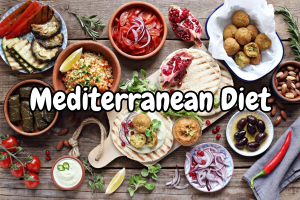
Diet built around whole foods
Center your meals on lean proteins, high fiber carbohydrates, healthy fats, and plenty of colorful produce. This alone improves insulin sensitivity, appetite control, and inflammation, all of which relate to how your body stores fat. -
Strategic use of proven helpers
You might add habits such as a daily cup or two of green tea, adequate protein at each meal, and higher soluble fiber intake. If your doctor agrees, you could consider a simple, single‑ingredient supplement like psyllium or glucomannan rather than a complex “fat burner.” -
Movement that fits your life
Regular physical activity raises your daily calorie burn and preserves muscle mass. Even brisk walks, light strength training, or short home workouts add up. -
Sleep and stress management
Poor sleep and chronic stress directly affect your hunger hormones and can overpower even the most carefully chosen supplements.
Mayo Clinic reminds you that the safest and most effective way to lose weight and keep it off is a comprehensive lifestyle strategy that includes healthy eating and increased physical activity, rather than relying primarily on supplements or medications (Mayo Clinic).
When medical treatments still make sense
It is reasonable to prefer natural options, but there are times when medical treatments, including fat loss peptides, are appropriate. If you have obesity, type 2 diabetes, or weight‑related medical complications, the risks of staying at your current weight can be higher than the risks of a supervised medication.
You do not have to choose between nature and medicine forever. Many people use lifestyle changes and natural supports as the base, and then work with their doctors to decide if a peptide or other prescription medication adds needed leverage.
If you ever feel pressured by marketing or quick‑fix promises, step back and remember that your body responds best to consistent, moderate changes over time. Natural compounds can absolutely support the same pathways that fat loss peptides target, but they work most powerfully when you pair them with daily habits that help you feel well, not just lighter.