A growing number of women are turning to fat loss peptides to help with stubborn weight, especially around midlife. If you eat well, exercise, and still feel stuck, it is understandable that you are curious about options that work with your hormones and metabolism instead of fighting against them.
This guide walks you through how fat loss peptides for women work, the most common types, what benefits you might see, and the key safety and lifestyle considerations to keep in mind.
What fat loss peptides are
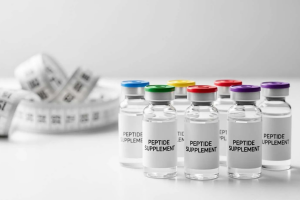
Fat loss peptides are short chains of amino acids that act as signaling molecules in your body. Many occur naturally and help regulate metabolism, appetite, and how you store or burn fat. Peptide therapy uses lab-made versions of these signals to encourage specific outcomes such as fat burning or appetite control.
According to MD Esthetics, fat loss peptides can help regulate metabolic processes, stimulate the breakdown of stored fat, and promote lean muscle growth as a more targeted alternative to traditional weight loss methods (MD Esthetics). In most programs, peptides are given as small subcutaneous injections under medical supervision, often in 6 to 12 week cycles.
Instead of directly replacing hormones, many peptide treatments nudge your own body to produce more of its natural growth factors, which can result in more precise metabolic support and fewer side effects than full hormone replacement (Dr. B Naples).
Why fat loss feels harder as a woman
You are not imagining that losing fat can feel tougher for women, especially after 40. Hormones, muscle mass, and life stage all play a role.
As estrogen declines with age and around menopause, metabolism often slows and fat tends to shift toward the midsection. At the same time, you may naturally lose lean muscle, which further lowers your daily calorie burn. Clinics that work with women in this stage report that many follow a balanced diet and exercise plan yet still struggle with pockets of fat that refuse to budge (Amy Brenner MD & Associates).
Peptides aim to address some of these underlying drivers. Certain therapies increase growth hormone release, which can support fat breakdown and muscle maintenance. Others help you feel fuller on less food by targeting hunger and blood sugar regulation. For many women, this combination is what finally makes lifestyle changes pay off.
How fat loss peptides work in your body
Although each peptide has its own mechanism, most fall into two broad categories: those that influence growth hormone and body composition, and those that control appetite and blood sugar.
Growth hormone related peptides
Growth hormone related peptides stimulate your pituitary gland to release more of your own growth hormone. This hormone is involved in:
- Mobilizing and breaking down stored fat
- Supporting muscle protein synthesis
- Improving recovery and exercise capacity
StemCellMia notes that combinations such as CJC-1295 with Ipamorelin promote natural growth hormone release, which can enhance fat burning around the midsection and preserve lean muscle in women over 40 (StemCellMia). Similarly, sermorelin therapy has been used to boost metabolism and muscle protein synthesis, especially in women whose metabolism has declined with age or health issues (Dr. B Naples).
These peptides do not usually replace growth hormone directly. Instead they encourage your body to make and release more of its own, which may provide a gentler, more regulated effect with fewer hormone related side effects.
Appetite and blood sugar regulating peptides
Another major group of fat loss peptides acts on GLP 1 (glucagon like peptide 1) receptors. GLP 1 receptor agonists are injectable medications originally developed for type 2 diabetes that were later approved for weight management.
According to Medical News Today, GLP 1 agonists like semaglutide, liraglutide, and tirzepatide help with fat loss by increasing satiety, reducing appetite, and regulating blood sugar levels (Medical News Today). By helping you stay full longer and reducing cravings, they make it easier to stick to a lower calorie intake without feeling constantly deprived.
Verywell Health explains that these medications break down glucose more effectively and reduce appetite, so you naturally take in fewer calories and can lose weight more consistently while on treatment (Verywell Health).
Common fat loss peptides for women
You will see many peptide names online, which can be confusing. Here is a clear overview of some of the most discussed fat loss peptides for women, grouped by how they work.
Always work with a qualified clinician when considering peptides. Many require prescriptions and individualized dosing.
GLP 1 based medications
These are among the most studied options for weight management.
-
Semaglutide (Wegovy and similar)
Semaglutide mimics GLP 1, targeting areas of your brain that regulate appetite and food intake. Women using semaglutide often report reduced hunger, smaller portions, and fewer cravings. In a study cited by Medical News Today, people receiving once weekly semaglutide lost an average of 14.9 percent of their body weight over 68 weeks compared to 2.4 percent with placebo (Medical News Today). -
Liraglutide (Saxenda)
Liraglutide is a daily GLP 1 injection approved for chronic weight management in adults and in adolescents from 12 to 18 years old. Review data show that users are more likely to achieve 5 or 10 percent weight loss compared with placebo (Medical News Today). -
Tirzepatide (Zepbound)
Tirzepatide is a dual GLP 1 and GIP receptor agonist. The FDA approved Zepbound in 2023 for adults with overweight or obesity, and a 2024 study found an average 20.9 percent weight reduction at 36 weeks in users (Medical News Today). Verywell Health notes that tirzepatide appears to be the most effective specific weight loss medication among current GLP 1 agents (Verywell Health).
These medications are prescription only and not recommended during pregnancy. Side effects, often gastrointestinal, are common but usually manageable when titrated slowly under medical supervision (Medical News Today).
Growth hormone secretagogues and fragments
-
CJC 1295 and Ipamorelin
This combination is often used for women over 40 who want to improve body composition. StemCellMia reports that it can enhance fat burning around the midsection and help preserve lean muscle, especially when paired with exercise and a smart nutrition plan (StemCellMia). Amy Brenner MD & Associates add that Ipamorelin stimulates HGH production and may reduce excess fat by inhibiting an enzyme that promotes fat storage, while also supporting the breakdown of stored fat (Amy Brenner MD & Associates). -
Sermorelin
Sermorelin triggers your body to release more growth hormone. Dr. B Naples describes it as particularly helpful for women experiencing metabolism decline, as it boosts calorie burning, supports lean muscle development, and can help reduce body fat percentage when combined with exercise (Dr. B Naples). Many women also notice improved sleep and energy within 4 to 6 weeks, with fat loss benefits appearing over 2 to 3 months (Dr. B Naples). -
AOD 9604 and HGH Frag 176 191
These are fragments of the human growth hormone molecule that are designed to target fat metabolism specifically. AOD 9604 focuses on fat mobilization without stimulant like side effects, such as jitters or blood sugar spikes (StemCellMia). SeekPeptides notes typical protocols such as AOD 9604 at 300 mcg once daily in the morning for 12 weeks, and HGH Frag 176 191 at 500 mcg 1 to 2 times daily in a fasted or pre cardio state for 8 to 12 weeks (SeekPeptides).
Emerging options: Retatrutide
Retatrutide is an investigational injection that activates three hormones, GLP 1, GIP, and glucagon, for appetite reduction and metabolic support. Early trials show remarkable potential. JoinVoy reports that participants lost up to 28.7 percent of their body weight after 68 weeks at the highest 12 mg weekly dose, which is greater than what is seen with current single or dual hormone medications (JoinVoy).
Doses in trials often started at 2 mg weekly and were gradually increased every 4 weeks to improve tolerability, with most side effects related to the digestive system, such as nausea, diarrhea, or constipation. These were usually mild to moderate and were managed by slowly escalating the dose (JoinVoy).
Retatrutide is not yet widely available, but it is one to watch if you are considering future fat loss peptide options.
What benefits you might notice
When you combine fat loss peptides with realistic lifestyle changes, you may experience several benefits over time.
Improved fat loss and body composition
Women often turn to peptides after hitting a plateau with diet and exercise. Clinics like MD Esthetics report that individuals can see noticeable changes in body composition within a few weeks, with more pronounced fat loss and toning over several months when treatment is combined with healthy habits (MD Esthetics).
GLP 1 medications can help you lose a significant percentage of your body weight compared with lifestyle changes alone, while growth hormone based peptides may help you retain or build muscle, improving how your body looks and feels even if the scale does not drop dramatically at first.
Better appetite control and fewer cravings
If constant hunger or nighttime snacking have derailed your past efforts, GLP 1 agonists like semaglutide, liraglutide, and tirzepatide can be especially helpful. By enhancing satiety and smoothing out blood sugar, they make it easier to say no to extra portions or highly processed foods without feeling deprived (Medical News Today).
Over time this more balanced relationship with food can become a powerful habit that continues to support you, whether you stay on medication long term or transition off under your provider’s guidance.
Energy, recovery, and sleep improvements
Many women using growth hormone releasing peptides such as sermorelin report higher energy levels, better workout recovery, and improved sleep quality. Dr. B Naples notes that women often notice sleep, energy, and recovery gains within 4 to 6 weeks, which can make it easier to exercise consistently and stay active throughout the day (Dr. B Naples).
When you feel more rested and energized, you naturally move more and make better food choices, which reinforces your fat loss results.
Important safety and practical considerations
Peptides can be powerful tools, but they are not a quick fix and they are not right for everyone. Before you decide if fat loss peptides for women belong in your plan, consider the following.
Medical guidance is non negotiable
Most effective fat loss peptides are prescription only, and all should be used under medical supervision. Medical News Today and Verywell Health both emphasize that GLP 1 medications like Wegovy, Saxenda, and Zepbound require careful monitoring, are not recommended during pregnancy, and can interact with other medications or health conditions (Medical News Today, Verywell Health).
Some clinics have specific exclusions, such as avoiding certain growth hormone related peptides in women with a history of cancer, which underscores the importance of a thorough health review before starting therapy (Amy Brenner MD & Associates).
Side effects and tolerability
Common side effects depend on the peptide type but often include:
- Nausea, vomiting, or diarrhea
- Constipation or bloating
- Headaches
- Redness or irritation at the injection site
Retatrutide trials, for example, reported gastrointestinal issues as the most frequent side effects, which were usually mild to moderate and improved with gradual dose escalation (JoinVoy). MD Esthetics notes that when peptide therapy is supervised by a healthcare professional, side effects are generally minimal and manageable (MD Esthetics).
If you are more sensitive to medications or have had side effects with past treatments, discuss slower dose titration and close monitoring with your provider.
Lifestyle still matters for results
It is important to set realistic expectations. Verywell Health highlights that only about one in three women with type 2 diabetes using GLP 1 agonists will lose more than 5 percent of their body weight if they do not also change diet or exercise habits (Verywell Health).
Peptides can make healthy choices easier and more rewarding, but they do not remove the need for:
- A nutrient dense, mostly whole food eating pattern
- Regular movement, including resistance training
- Sleep and stress management
When you combine therapy with these foundations, you are much more likely to see and maintain meaningful improvements in your weight and body composition.
Long term maintenance
Another important point is what happens when you stop treatment. Studies show that many people regain a significant portion of the weight they lost if they discontinue GLP 1 medications without a clear maintenance plan. For example, one trial found that people stopping Wegovy regained about two thirds of their lost weight within a year (Verywell Health).
Before starting, talk with your provider about:
- How long you are likely to stay on the peptide
- What your transition or maintenance strategy would look like
- How you will monitor progress, side effects, and lab markers over time
This helps you avoid surprises and choose an approach that fits your budget, health goals, and lifestyle.
Deciding if fat loss peptides are right for you
Fat loss peptides for women can be a helpful tool, especially if you:
- Have tried lifestyle changes consistently with limited progress
- Struggle with appetite, cravings, or midlife metabolic shifts
- Prefer a targeted therapy that supports your body’s natural processes
At the same time, they require injections, medical oversight, and a commitment to ongoing lifestyle changes. Seeing them as a partner to healthy habits instead of a replacement for them will give you the best chance at lasting results.
If you are curious about whether peptides fit your situation, your next step is to consult a clinician who is experienced with weight management and peptide therapies. Bring your health history, current medications, and clear goals so you can decide together which, if any, option matches your needs.
You deserve a plan that respects your body, supports your energy and confidence, and works with your real life, not against it.