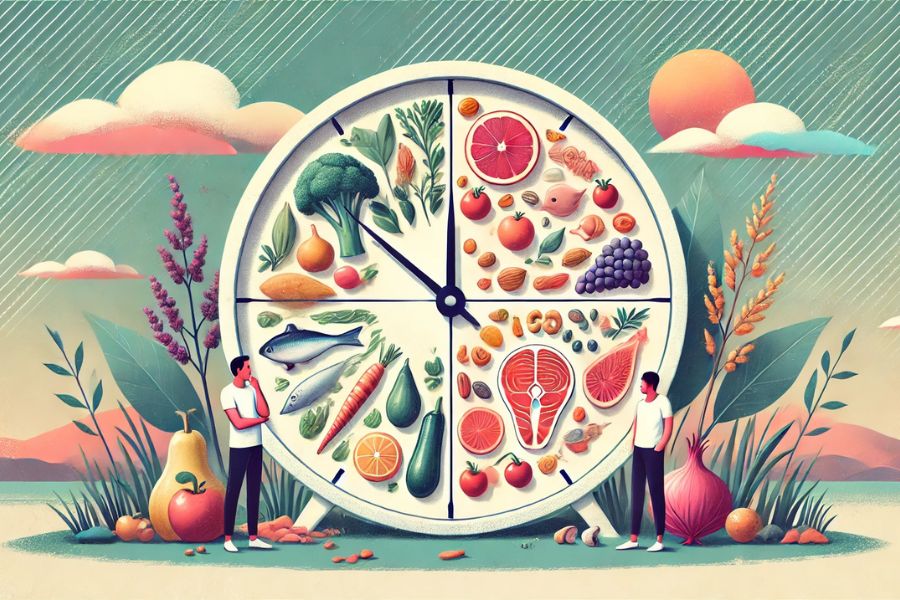
Intermittent fasting before and after photos can be inspiring, but the real story is what happens in your daily routine between those two points. With a few simple strategies, you can move from curiosity to consistent habits that support weight loss, better energy, and long term health.
Below, you will find practical intermittent fasting before and after tips that help you get results without feeling miserable or deprived.
Understand what intermittent fasting actually does
Before you start, it helps to know what is going on in your body when you fast. Intermittent fasting focuses on when you eat instead of strictly controlling what you eat. You cycle between periods of eating and periods of little or no calories.
When you go at least 12 hours without food, your body starts to switch from burning sugar to burning fat for fuel. This process is sometimes called a metabolic switch and typically kicks in after a half day or more without eating (Johns Hopkins Medicine, Mass General Brigham).
Over time, this fasting period can support:
- Fat loss and a leaner body
- Improved insulin sensitivity and blood sugar control
- Better brain function and protection against chronic disease
Multiple reviews and trials suggest that intermittent fasting may help lower your risk of type 2 diabetes, heart disease, and some neurodegenerative conditions, especially when you pair it with a generally healthy eating pattern (Johns Hopkins Medicine, Nutrients).
Choose the right fasting schedule for you
You will see the biggest before and after changes if your fasting plan fits your life instead of fighting it. The most common intermittent fasting methods are straightforward and flexible.
16:8 time restricted eating
With 16:8 you fast for 16 hours and eat during an 8 hour window. For example, you might eat from 11 a.m. to 7 p.m., then fast until 11 a.m. the next day. This approach is popular because it usually just means skipping late night snacks and delaying breakfast a bit (Women’s Health).
Research on time restricted feeding shows that once you pass the 12 hour mark without food, your body leans more on fatty acids and ketones for fuel, which may help with weight loss and metabolic health (Nutrients).
5:2 intermittent fasting
With the 5:2 diet, you eat normally five days a week. On two non consecutive days, you reduce your intake to roughly 500 to 600 calories. There are no hard rules about which foods you choose, which makes this pattern flexible if your schedule changes week to week (Women’s Health, Mass General Brigham).
This method can work well if you prefer eating breakfast daily but do not mind an occasional low calorie day.
Part time fasting for three days per week
You do not have to fast daily to see benefits. In one 12 week trial, people with obesity and type 2 diabetes followed either a 16:8 or 14:10 schedule only three days per week. Both groups lost significantly more weight than a control group that did not fast, and their blood sugar and cholesterol levels improved as well (Journal of Diabetes Investigation).
The 16:8 group lost about 4 percent of their body weight, the 14:10 group lost just over 3 percent, and the control group lost about half a percent. That study suggests that even a part time approach can move your before and after photos in the right direction, especially if you choose a slightly longer fasting window.
Set up your “before” the smart way
You might be eager to jump in, but a thoughtful starting point gives you a clearer sense of your before and after progress and helps you stick with the plan.
Start by tracking what and when you currently eat for three days. You do not have to count every calorie. Just note:
- The time of each meal or snack
- Rough portion sizes
- How hungry you felt before eating
- Your energy and mood throughout the day
This snapshot often reveals late night snacking, mindless grazing, or large evening meals that you can gently shift into a fasting window.
It is also helpful to jot down simple baseline markers:
- Current weight and waist measurement
- Average sleep hours
- Energy level on a 1 to 10 scale
- Cravings or afternoon crash time
You will use these later to compare your intermittent fasting before and after results in a way that goes beyond the scale.
Make the first two weeks easier
Most people find the first two to four weeks of intermittent fasting are the hardest. You may feel hungrier, a bit irritable, or slightly foggy at first. According to Johns Hopkins experts, this adjustment period is normal and usually fades as your body adapts to the new rhythm (Johns Hopkins Medicine).
A few small tweaks can soften that transition:
- Shift your eating window gradually. Move breakfast 30 minutes later every few days instead of skipping it overnight.
- Place your fasting hours around sleep. For example, fasting from 8 p.m. to noon includes 8 hours of sleep, which feels much easier than fasting through your entire evening.
- Plan satisfying meals in your eating window. Include lean protein, healthy fats, and fiber rich carbs like vegetables and whole grains. This combination keeps you full longer and stabilizes your blood sugar.
- Stay hydrated. Water, black coffee, and unsweetened tea are generally allowed during fasting periods and can help reduce hunger pangs (Johns Hopkins Medicine).
If you feel lightheaded or unwell, shorten your fasting window and talk with a healthcare professional. Intermittent fasting should feel challenging in the beginning, but it should not feel unsafe.
Eat for success in your eating window
Your intermittent fasting before and after progress depends as much on what you eat as when you eat. Fasting is not a free pass to load up on ultra processed foods during your eating window.
Research groups like Johns Hopkins and Mass General Brigham recommend focusing on a nutrient dense pattern, such as a Mediterranean style diet. That means plenty of leafy greens, colorful vegetables, fruit, whole grains, beans, nuts, olive oil, and lean protein like fish or poultry (Johns Hopkins Medicine, Mass General Brigham).
Think in terms of simple anchors:
- Include protein at every meal to keep you full and help maintain muscle.
- Add a source of healthy fat, like avocado or olive oil, to support steady energy.
- Fill half your plate with vegetables or salad for volume, fiber, and nutrients.
When you eat in this balanced way, you are more likely to feel satisfied during your fast and less likely to binge when your eating window opens.
Intermittent fasting works best when you combine a shorter eating window with higher quality food, not when you starve then overcompensate with junk.
Watch for non scale before and after changes
The scale is one way to track intermittent fasting before and after progress, but it is not the only or even the most important measure. In fact, in some long term trials, intermittent fasting does not always outperform simple daily calorie restriction for weight loss, even though both methods improve health markers like blood pressure and cholesterol (Nutrients).
Pay attention to changes such as:
- Less afternoon brain fog
- Fewer energy crashes between meals
- Reduced cravings for sugary snacks
- More comfortable digestion
- Better sleep and waking up more refreshed
In the 12 week intermittent fasting study in people with diabetes, participants who fasted three days per week not only lost weight but also improved fasting blood sugar, HbA1c, and cholesterol levels, even though they reported moderate hunger at times (Journal of Diabetes Investigation). Those internal shifts matter just as much as external before and after photos.
You can track these with a simple weekly check in, using a 1 to 10 scale for energy, cravings, sleep, and mood. Small improvements add up over months.
Stay realistic about hunger and plateaus
Feeling some hunger while you adjust to intermittent fasting is normal. In clinical studies, people following 16:8 or 14:10 schedules typically rated their hunger around 4 to 5 out of 10, which was noticeable but not overwhelming. Importantly, they did not experience serious side effects or hypoglycemia during the 12 week period (Journal of Diabetes Investigation).
You can manage this by:
- Drinking water or unsweetened tea when you notice mild hunger
- Distracting yourself with a walk, quick chore, or short call
- Reminding yourself that a little hunger is temporary and often passes within 15 to 20 minutes
You may also hit weight loss plateaus. This is normal for any approach that reduces your food intake. If that happens, consider:
- Tightening your eating window by 1 hour
- Checking for creeping snacks that sneak outside your window
- Adding gentle movement like daily walks or simple strength exercises
If a plateau lasts more than a month and you feel frustrated, talk with a registered dietitian. They can help you adjust your plan or suggest a different pattern, such as alternate day fasting or a shift in your macros, that may suit you better (Nutrients).
Know who should be cautious or avoid fasting
Intermittent fasting is not right for everyone. You should always speak with a healthcare provider before you start if you:
- Have type 2 diabetes or take blood sugar lowering medications
- Have a history of eating disorders or disordered eating
- Are pregnant, breastfeeding, or trying to conceive
- Have chronic conditions like heart disease or kidney disease
Experts caution that intermittent fasting might not be suitable for pregnant women or people with a history of disordered eating. Medical guidance is important in these situations (Women’s Health, Mass General Brigham).
If you ever feel dizzy, extremely weak, or unwell while fasting, stop and seek medical advice. Longer fasts of 24 to 72 hours are rarely necessary for most people and can even encourage your body to store more fat in response to perceived starvation, so it is best to avoid extended fasting unless you are under medical supervision (Johns Hopkins Medicine).
Turn your “after” into your new normal
The most impressive intermittent fasting before and after photo is the one you do not take, because your routine has become so normal you barely think about it. After two to four weeks, many people adapt to their new schedule and often feel better than before they started, which makes it much easier to continue (Johns Hopkins Medicine).
You can maintain your results by:
- Keeping a consistent eating window most days of the week
- Allowing flexible days for social events without guilt, then returning to your routine
- Focusing on overall food quality instead of chasing perfection
- Checking in with yourself monthly to notice how your energy, mood, and health feel
If you combine a realistic fasting schedule with balanced meals, hydration, sleep, and gentle movement, you put yourself in a strong position to see meaningful intermittent fasting before and after changes, inside and out. Start with one or two small shifts this week, and let your routine evolve as your body adjusts.