A Mediterranean diet meal plan is one of the easiest ways to eat healthier without feeling like you are on a strict diet. Instead of counting every calorie, you focus on simple, satisfying meals made from whole foods, lots of plants, and plenty of heart healthy fats like extra virgin olive oil. Over time, this pattern can support weight loss, protect your heart, and boost your overall well being (Cleveland Clinic).
Below, you will find practical Mediterranean diet meal plan ideas you can use right away, even if you are a beginner or short on time.
Understand the Mediterranean diet basics
The Mediterranean diet is less about a rigid set of rules and more about how you fill your plate most of the time. It highlights vegetables, fruits, whole grains, beans, lentils, nuts, seeds, fish, and extra virgin olive oil as your main fat source (Cleveland Clinic). Foods high in unhealthy fats, added sugars, and sodium are eaten less often or only in small amounts (UC Davis Health).
A helpful guideline is to build your plate like this (EatingWell):
- About half your plate with fruits and vegetables
- One quarter with whole grains
- One quarter with lean protein, especially fish, beans, or lentils
This structure keeps your meals balanced so you feel full, get steady energy, and naturally reduce ultra processed foods that can get in the way of weight loss and good health.
Know the benefits for weight and health
If you are curious how a Mediterranean diet meal plan might help you lose weight and improve your health, it helps to know what is happening behind the scenes in your body.
Because the Mediterranean diet centers whole, plant based foods and healthy fats, it can reduce your risk of cardiovascular disease and other chronic conditions (Cleveland Clinic). Research also links this way of eating to better heart and brain health, and even fewer signs of Alzheimer’s disease in older adults (EatingWell).
This pattern can support potential weight loss too. You are not cutting out entire food groups. Instead, you are crowding your plate with foods that are naturally filling, rich in fiber, and supportive of stable blood sugar (UC Davis Health). That makes it easier to eat fewer empty calories without feeling deprived.
Stock a simple Mediterranean pantry
A Mediterranean diet works best when your kitchen is set up to support it. You do not need exotic ingredients. Most items are familiar and available at any grocery store (The Mediterranean Dish).
Aim to keep these basics on hand (EatingWell; The Mediterranean Dish):
- Whole grains like oats, brown rice, quinoa, barley, and whole wheat bread or pasta
- Canned or dried beans and lentils
- Nuts and seeds such as almonds, walnuts, pistachios, chia, and sesame
- Extra virgin olive oil as your main cooking and salad oil
- Canned tomatoes, canned tuna or salmon, and jarred olives
- Yogurt and small amounts of flavorful cheeses
- Fresh, frozen, or no sugar added canned fruits and vegetables
With these staples, you can pull together Mediterranean inspired meals in minutes, even on nights when you do not feel like cooking.
Use a flexible Mediterranean plate formula
Instead of rigid recipes, it can help to follow a simple formula when you build meals. Think in components:
- Pick a vegetable or two as the base
- Add a whole grain
- Include a lean protein
- Finish with healthy fats and flavor
For example, a quick dinner might be roasted broccoli and carrots over quinoa, topped with grilled salmon and a drizzle of extra virgin olive oil and lemon. The same formula works for breakfast bowls and lunches too.
A practical tip is to prep one or two grains and one or two proteins at the start of the week. You can then mix and match them with different vegetables and sauces to keep your Mediterranean diet meal plan varied without extra effort.
Simple breakfast ideas you can repeat
You do not need a new recipe every day. In fact, repeating a few Mediterranean style breakfasts makes it easier to stay consistent, which supports weight loss and healthy habits (EatingWell).
Here are some ideas you can rotate:
- Greek yogurt bowl with berries, a spoonful of oats, and chopped nuts
- Whole grain toast with mashed avocado and a sliced hard boiled egg
- Oatmeal cooked with milk or a fortified plant drink, topped with sliced fruit and a drizzle of extra virgin olive oil or nut butter
- Smoothie made with spinach, frozen berries, yogurt, and a small handful of walnuts
If you are short on time in the morning, prepare overnight oats or portion yogurt and toppings the night before so you can grab breakfast and go.
Easy Mediterranean lunches and dinners
Lunch and dinner on a Mediterranean diet meal plan do not have to be elaborate. Aim for color, variety, and a mix of textures so the meal feels satisfying.
You might try:
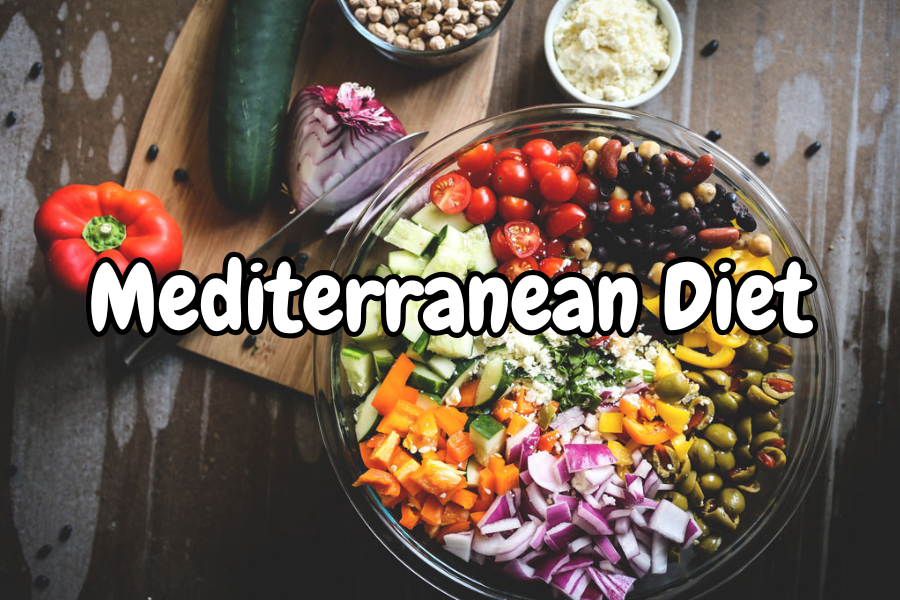
- A big salad with mixed greens, chickpeas, tomatoes, cucumbers, olives, a sprinkle of feta, and olive oil with lemon as dressing
- Whole wheat pita stuffed with hummus, grilled vegetables, and leftover chicken or falafel
- Brown rice or quinoa bowl with roasted vegetables, white beans or lentils, and a tahini or yogurt based sauce
- Baked fish with a side of roasted potatoes and a simple tomato cucumber salad
Leftovers become your friend here. Cooking a double batch of grains or roasting extra vegetables gives you ready made building blocks for the next day.
One of the strengths of a Mediterranean diet meal plan is that you can enjoy the same ingredients in different combinations all week, so your meals feel fresh even when you are keeping prep simple.
Smart Mediterranean snacks and treats
Snacks can either support or derail your goals. On a Mediterranean diet, snacks are usually simple foods that offer a mix of fiber, healthy fats, or protein so you stay full between meals.
Some options that fit this pattern include (The Mediterranean Dish; EatingWell):
- Fresh fruit such as apples, oranges, berries, or grapes
- Raw vegetables like carrots, cucumbers, or bell peppers with 2 tablespoons of hummus
- Low fat cottage cheese or yogurt with sliced cucumbers and herbs
- A small handful of nuts or seeds
- Whole wheat toast with labneh or avocado, sometimes topped with a bit of smoked salmon
Sweets are not entirely off limits, but they shift from a daily habit to an occasional treat. That might look like a small piece of dark chocolate or a homemade date and tahini bite rather than packaged desserts.
Start small and build your own plan
If the idea of changing your entire eating pattern feels overwhelming, you can start with one or two Mediterranean style changes and build from there. Gradual shifts are more likely to stick and can still lead to real health improvements over time (UC Davis Health).
You could:
- Swap butter for extra virgin olive oil when you cook
- Add one serving of vegetables to lunch and dinner
- Plan fish or seafood once or twice a week instead of red meat
- Choose whole grains in place of refined ones when possible
From there, you can move toward a full Mediterranean diet meal plan that fits your taste, schedule, and family. Some people like to follow a 7 day blueprint to get started, with simple, repeated breakfasts and lunches plus easy dinners that rely on leftovers (EatingWell). Others prefer to slowly “Mediterraneanize” their favorite meals by adding more vegetables and swapping in olive oil and whole grains.
Whichever approach you choose, you are not aiming for perfection. You are building a new everyday pattern, one enjoyable meal at a time.