A carnivore diet meal plan can look surprisingly simple: meat, fish, eggs, and a few select animal-based extras. Yet when you put those pieces together thoughtfully, you can create a week of satisfying meals that support weight loss and better energy without feeling like you are eating the same plate on repeat.
Below, you will learn what the carnivore diet is, what you actually eat in a day, how to structure a 7 day carnivore diet meal plan, and what benefits and risks you need to know before you try it.
Understand what the carnivore diet really is
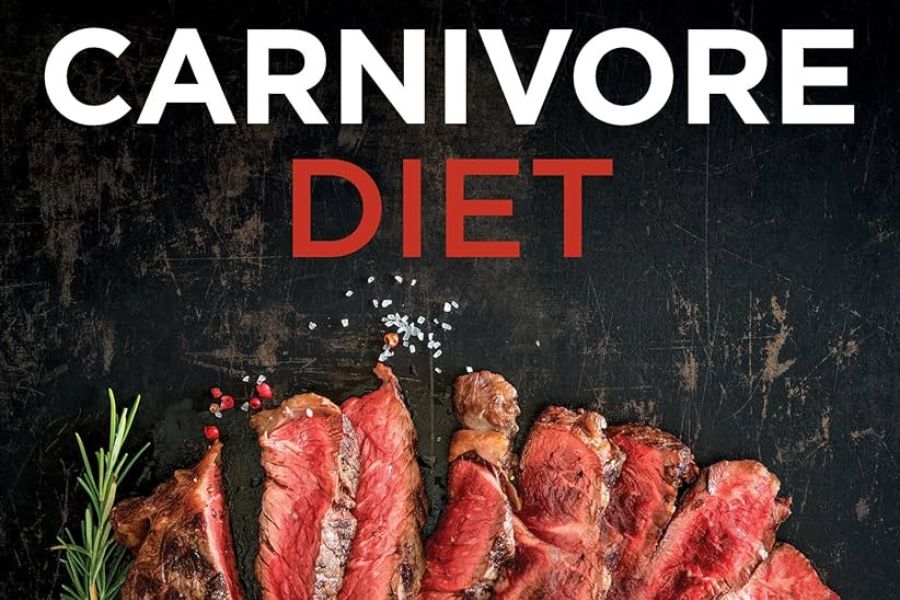
At its core, a carnivore diet meal plan is an all animal foods eating pattern. You focus on meat and other animal products and you cut carbohydrates down to almost zero.
According to resources like WebMD and Cleveland Clinic, a carnivore diet typically includes beef, pork, chicken, fish, eggs, and organ meats such as liver or oxtail. It cuts out fruits, vegetables, grains, legumes, nuts, seeds, and added sugars completely (WebMD, Cleveland Clinic).
Some versions are stricter than others. A very strict approach includes only meat, water, and salt. More flexible versions allow:
- Eggs
- Cheese and other full fat dairy in moderation
- Butter, ghee, or tallow for cooking
- Herbs, salt, pepper, and basic spices for seasoning (WebMD, Primal Kitchen)
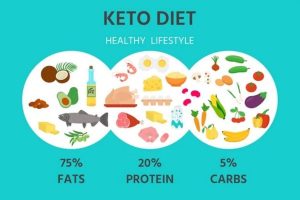
Unlike keto or Atkins, which still make room for some vegetables and small amounts of carbs, a carnivore diet meal plan aims to eliminate carbohydrates entirely and keep you in ketosis all the time (Cleveland Clinic).
Know how it might help you
People are often drawn to a carnivore diet meal plan for weight loss or to see if cutting carbs can calm down symptoms like bloating or joint pain.
Followers commonly report several short term benefits:
- Rapid weight loss due to fat adaptation and being in ketosis
- Reduced inflammation from avoiding refined carbohydrates and ultra processed foods
- More stable energy and fewer blood sugar crashes
- A feeling of increased mental clarity, likely from ketones as a fuel source for your brain
- Higher satiety because meals are high in protein and fat (Chomps)
One survey of more than 2,000 adults who followed a carnivore diet for 9 to 20 months found self reported improvements in BMI, energy, sleep, strength, endurance, focus, and reduced need for diabetes medications. However, the study relied on self reporting and did not include lab testing or a control group, so the results are interesting but not definitive (Chomps).
When you remove carbs almost entirely, your body shifts from using glucose as its main fuel to relying on fat and ketones. This metabolic shift is called ketosis, and it can reduce hunger for many people, which makes eating less and losing weight easier to sustain in the short term (Chomps).
Be aware of the risks and limitations
A carnivore diet meal plan is not a gentle tweak to how you eat. It cuts out entire food groups, so it comes with real tradeoffs.
Major medical organizations and dietitians raise several concerns:
- Nutrient gaps. When you exclude fruits, vegetables, whole grains, and legumes, you remove key sources of vitamin C, fiber, and many phytonutrients. This can raise your risk of deficiencies and long term health issues (Cleveland Clinic, WebMD).
- Digestive issues. Very low fiber intake can lead to constipation and can change your gut microbiome in ways that are not fully understood and may not be beneficial (Chomps).
- Heart and kidney concerns. High intakes of saturated fat and sodium may increase your risk of stroke, heart disease, and kidney strain, especially if you already have cardiovascular or kidney issues (Chomps, Cleveland Clinic).
- Lack of long term data. Supporters often share dramatic success stories, but scientific research on the long term safety and effectiveness of the carnivore diet is still limited and inconclusive (Cleveland Clinic, Inspira Health Network).
Most experts do not recommend the carnivore diet as a long term lifestyle. Cleveland Clinic and Inspira Health note that a more balanced pattern, with plenty of vegetables, fruits, whole grains, and lean proteins, is better supported by evidence and easier to maintain long term (Cleveland Clinic, Inspira Health Network).
If you decide to try a carnivore diet meal plan, it is wise to:
- Talk with your doctor or a registered dietitian first, especially if you have heart, kidney, or metabolic conditions (Inspira Health Network)
- Consider supplements for vitamin C, other key vitamins and minerals, and possibly a fiber supplement, as WebMD suggests for people experimenting with this way of eating (WebMD)
See what you actually eat in a day
When you picture a carnivore diet meal plan, you might imagine plain steak three times a day. In reality, your plate can still have variety, even within the animal only rule.
Here is what a simple day can look like, based on patterns described by Chomps, WebMD, and Primal Kitchen:
- Breakfast: Steak and eggs, or a cheese omelet cooked in butter
- Lunch: Salmon with a few slices of bacon, or grilled chicken thighs with cheddar
- Dinner: Ribeye steak, ground beef patties, or a rotisserie chicken based casserole with cream cheese and shredded cheese (Chomps, WebMD)
- Snacks: Sardines, hard boiled eggs, jerky or meat sticks, or leftover burger patties
You cook with fats like butter, ghee, or tallow and season your meals simply with salt, pepper, and maybe a few herbs or spices (WebMD, Primal Kitchen).
Some stricter carnivore followers skip coffee and tea entirely because they are plant based beverages, although others choose to keep a small amount of caffeine during the transition. If you do decide to stop coffee, gradual weaning over a few weeks can make it easier (Primal Kitchen).
Use this simple 7 day carnivore starter plan
To help you see how everything fits together, here is a simple, flexible 7 day carnivore diet meal plan inspired by sample menus from Chomps, WebMD, and Primal Kitchen. Portions depend on your hunger, size, and goals, so think in terms of eating until comfortably full, not stuffed.
| Day | Breakfast | Lunch | Dinner |
|---|---|---|---|
| 1 | Steak and eggs cooked in butter | Canned salmon patties with turkey bacon | Ribeye steak |
| 2 | Cheese omelet with bacon | Grilled chicken thighs with cheddar | Ground beef patties with melted cheese |
| 3 | Scrambled eggs with sausage | Sardines and hard boiled eggs | Pork chops cooked in ghee |
| 4 | Egg and cheese muffins (no flour) | Leftover steak with butter | Rotisserie chicken with skin |
| 5 | Fried eggs in tallow | Salmon with pork belly slices | Prime rib or another fatty roast |
| 6 | Scrambled eggs with turkey | Burger patties with cheese | Baked chicken drumsticks |
| 7 | Steak and eggs | Canned tuna mixed with mayo | Oxtail or beef short ribs slow cooked |
Between meals you can snack on hard boiled eggs, sardines, jerky or meat sticks, or small pieces of cheese if you tolerate dairy (Chomps, WebMD).
If your budget is tight, you do not have to buy premium steaks every day. The Primal website points out that organ meats like liver, heart, and kidney can be very affordable and offer a dense source of vitamins and minerals at the same time (The Primal).
Make your meal plan work better for your body
Even within the rules of a carnivore diet meal plan, you still have room to adjust things so that you feel better and support your health.
If you are going to experiment for a short period, you can:
- Choose a mix of cuts. Include both fatty cuts, like ribeye or pork belly, and leaner options, like skinless chicken or some seafood. WebMD recommends including seafood for omega 3 fats and considering leaner poultry to balance your intake of saturated fat (WebMD).
- Use organ meats as your multivitamin. Adding liver, heart, or kidney a few times a week helps cover some micronutrients that muscle meat lacks and is relatively budget friendly (The Primal).
- Support electrolytes. When you drop carbs, your body sheds water and minerals, which can lead to headaches, fatigue, and muscle cramps. The Primal recommends adding salt, and in some cases magnesium, potassium, and calcium through supplements or electrolyte drinks to keep levels balanced (The Primal).
- Watch your meal timing. Heavy meat dinners close to bedtime can make sleep harder because meat takes time to digest. Try to finish large meals 3 to 4 hours before bed or choose lighter proteins like fish or eggs if you eat late in the evening (The Primal).
- Avoid extreme fasting at first. While some people combine carnivore with intermittent fasting, The Primal suggests aiming for at least two meals a day instead of one very large meal. This can lower stress on your body, support better sleep, and help you absorb nutrients more effectively (The Primal).
Most of all, listen to your body. If headaches, fatigue, or digestive issues are intense or do not settle after the first week, that is a sign to pause, check in with your doctor, or consider a less restrictive low carb pattern such as keto, which still allows vegetables and plant based fats (Primal Kitchen).
Decide if carnivore fits your goals
A carnivore diet meal plan is simple to follow on paper, which is part of its appeal. You focus on meat, eggs, and a few dairy products, and you leave out the rest. For a short, carefully monitored trial, this structure can help you lose weight quickly and see how your body responds to a very low carb approach.
At the same time, it is a highly restrictive way of eating that most experts do not recommend for the long term because of potential nutrient gaps and unknown long term risks.
If you are curious, you might:
- Talk with your healthcare provider about whether a short trial is appropriate for you
- Use a 1 or 2 week carnivore diet meal plan like the one above as a structured experiment, not a permanent commitment
- Pay attention to your energy, digestion, mood, and sleep, along with any lab work your doctor recommends
That way you approach the carnivore diet in a way that is intentional, informed, and aligned with your bigger goal of better health, not just a quick change on the scale.