A low carb diet plan can help you lose weight, stabilize your energy, and support better blood sugar control, without feeling like you are on a rigid “nothing fun allowed” program. The key is understanding what “low carb” actually means for you, then building simple, satisfying meals around that number.
Below, you will find a practical breakdown of carb ranges, pros and cons, and plenty of realistic meal ideas you can start using this week.
Understand what “low carb” really means
Before you change your plate, it helps to know your target.
A typical low carb diet usually means fewer than 26 percent of your daily calories from carbohydrates. For a 2,000 calorie diet, that is under 130 grams of carbs per day, according to Healthline’s low carb diet guidelines in 2024 (Healthline).
Other experts describe it in grams instead of percentages:
- A low carb diet plan is often defined as less than 100 grams of carbs per day
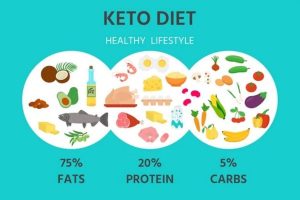
- A low carb ketogenic diet usually goes further, to about 20 to 50 grams per day, which can help with weight reduction and conditions like diabetes and sleep apnea (Obesity Medicine Association)
You do not have to jump straight to 20 grams. You can start at a moderate level, such as 80 to 130 grams per day, see how you feel, and adjust as needed.
Weigh the benefits and the downsides
A low carb diet plan can work very well, but it is not magic and it is not perfect for every body. You will want a clear picture of both sides.
Potential benefits of a low carb diet
By cutting back on refined carbs and added sugars, you usually lower insulin levels and naturally reduce calorie intake. Studies consistently show that low carb diets help people eat fewer calories without feeling as hungry (Healthline).
This often leads to:
- Faster initial weight loss. Low carb diets can cause more rapid short term weight loss than low fat diets, sometimes 2 to 3 times as much in the first weeks, partly because you lose stored water along with fat (Healthline)).
- Loss of harmful belly fat. A significant portion of the fat lost on low carb diets tends to be visceral fat around your organs, which is closely tied to inflammation and metabolic disease risk (Healthline).
- Better blood sugar and insulin levels. Low carb and ketogenic diets can drastically reduce blood sugar and insulin. One study reported that 95 percent of people with type 2 diabetes reduced or eliminated glucose-lowering medication within six months on a low carb diet (Healthline).
- Improved cholesterol markers. A 2024 review found that low carb diets improved weight loss, HDL “good” cholesterol, and triglycerides more than low fat diets (EatingWell). Other research saw similar weight loss to low fat diets, but better HDL levels with low carb (EatingWell).
If you focus on healthy protein, fats, and high quality carbs, a low carb pattern may also lower your risk of type 2 diabetes and heart disease, especially through weight loss and better blood sugar control in the short term (Mayo Clinic).
Real risks to watch out for
Cutting carbs too hard or in an unbalanced way can backfire. Very low carb diets typically limit carbs to less than 20 percent of calories, and often restrict foods like bread, pasta, many fruits, and some vegetables while raising protein and fat intake (Healthy For Life Meals). That can create problems if you are not careful:
- Nutrient gaps. When you reduce carb-rich foods without planning, you may fall short on vitamin C, potassium, and fiber, which support immunity, digestion, and long-term heart health (Healthy For Life Meals).
- Digestive issues and gut health. Too little fiber can slow down digestion, reduce gut microbiome diversity, and contribute to inflammation (Healthy For Life Meals).
- Mood and mental energy. Carbohydrates provide glucose for your brain. Very low intake can affect serotonin production, which may lead to mood swings, fatigue, irritability, and brain fog (Healthy For Life Meals).
- Metabolic slowdown. After rapid early weight loss, your body can adapt by slowing your metabolism, making ongoing loss harder without further changes or more activity (Healthy For Life Meals).
- Heart concerns. Long term low carb eating that relies heavily on saturated fats and processed meats may raise LDL cholesterol and increase heart disease risk (Healthy For Life Meals).
Very low carb intake can also push you into ketosis, which may cause bad breath, headache, fatigue, and weakness. Over time, this pattern can raise your risk of vitamin and mineral deficiencies and digestive issues (Mayo Clinic).
The takeaway: a low carb diet plan works best when it is balanced, includes plenty of vegetables and some fruit, and does not push your carbs so low that you feel unwell.
Choose the carb level that fits your life
You do not have to follow the strictest version of low carb to see benefits. In fact, a moderate approach is easier to live with.
EatingWell suggests that getting around 40 percent of your calories from carbohydrates, or at least 120 grams of carbs per day, can be a more sustainable low carb style that still supports weight loss and blood sugar control (EatingWell).
You can think of three broad ranges:
- Gentle low carb: around 120 to 130 grams per day
- Moderate low carb: around 80 to 120 grams per day
- Very low carb or keto: around 20 to 50 grams per day
If you are new to this way of eating, start in the gentle or moderate range. This lets you keep some whole grains, fruits, and starchy vegetables, which helps with fiber, nutrients, and satisfaction.
If you have diabetes or another medical condition, talk with your healthcare provider about which range is safe for you. People with diabetes can follow a low carb diet similar to those without diabetes for managing blood sugar, but it requires careful monitoring and staying on top of prescribed medications (Healthline).
Build your plate: what to eat more of and less of
A low carb diet plan is not just “no bread, lots of meat.” You will feel and do better if you aim for a mix of protein, healthy fats, and smart carbs.
Focus on these foods
Low carb diets typically restrict food sources like pasta, bread, and sugary items, while emphasizing higher protein, fats, and vegetables to promote weight loss and stable blood sugar (Healthline).
You can center your meals on:
- Protein: eggs, fish, poultry, lean beef, tofu, tempeh, Greek yogurt, cottage cheese, nuts, and seeds.
- Healthy fats: olive oil, avocado, olives, nuts, seeds, and modest amounts of cheese or full-fat dairy, if they fit your goals.
- Non starchy vegetables: leafy greens, broccoli, cauliflower, zucchini, peppers, tomatoes, cucumbers, mushrooms, asparagus, green beans.
- Low sugar fruits: berries, citrus, and stone fruits, in modest portions.
A healthy low carb diet should still include complex carbs like non starchy vegetables and non tropical fruits instead of cutting all carbohydrates entirely (Food Network).
If you are vegetarian, you can still eat low carb, but it is more challenging since many plant proteins come with carbs. You may need more careful planning and professional guidance to stay well nourished (Healthline).
Enjoy these in moderation
Some low carb diet plans allow modest amounts of:
- Whole grains like quinoa or oats
- Starchy vegetables like sweet potatoes
- Whole fruits
- Dark chocolate with at least 70 percent cocoa
- Dry wine without added sugar
How much you can include depends on your daily carb allowance (Healthline). If you choose one of these foods in a meal, balance it with plenty of non starchy vegetables and protein.
Limit these as much as possible
You will get the biggest payoff when you cut back on:
- Added sugars: soda, juice, desserts, candies, sweetened coffee and tea drinks
- Refined grains: white bread, regular pasta, pastries, most crackers and baked goods
- Ultra processed snacks: chips, sweetened granola bars, many packaged snack foods
On a low carb diet, reducing unhealthy carbs like added sugars and refined grains while including vegetables, whole grains in moderation, fruit, and healthy fats is important for fullness and heart health (EatingWell).
Use easy low carb meal ideas
You do not need complicated recipes to follow a low carb diet plan. Start with familiar meals and make a few simple swaps.
Breakfast ideas
On a low carb diet, options like scrambled eggs with bacon, veggie omelets, hard cheese with salami, avocado with smoked salmon, and low carb pancakes can all fit your plan. For example, low carb oatmeal pancakes can provide about 234 calories, 11 grams of carbs, and 12 grams of protein per serving (Obesity Medicine Association).
You might try:
- A veggie omelet with spinach, peppers, and a sprinkle of cheese
- Greek yogurt topped with a small handful of berries and chopped nuts
- Avocado on a low carb seed bread with a side of scrambled eggs
Lunch that actually fills you up
Low carb lunches are easier when you think of them as your usual favorites, just without the big bread or rice portion.
Ideas include:
- Lettuce “unwiches,” where you wrap sandwich fillings in crisp lettuce leaves
- Big salads topped with chicken, tuna, boiled eggs, or beans if they fit your carb goal
- Burgers without buns, served with a pile of roasted vegetables
One example is zucchini taco boats, which offer about 300 calories, 15 grams of carbs, and 31 grams of protein per serving (Obesity Medicine Association).
Simple dinners that feel satisfying
For dinner, you can often keep the protein the same and just skip or shrink the starch.
Low carb dinners often remove heavy starches and avoid starchy vegetables like corn and peas. Instead, you might choose:
- Steak with a large serving of broccoli
- Chicken with riced cauliflower and a side salad
- Broth based soups loaded with vegetables and a protein, plus salad
A slow cooker spinach artichoke chicken dish, for instance, can contain about 350 calories, 19 grams of carbs, and 49 grams of protein per serving (Obesity Medicine Association).
Smart low carb swaps
You can also adapt recipes you already love. The Food Network suggests swaps like using zucchini ribbons instead of tortillas for chicken enchiladas, which cuts the carb count to around 10 grams per serving (Food Network).
There are also low carb recipes that show how flavorful this way of eating can be, such as:
- Spicy fennel shrimp with about 1 gram of carbs per serving
- Mushroom stuffed pork tenderloin with around 3 grams of carbs per serving (Food Network)
These are just examples, but they highlight what is possible when you center meals on protein, vegetables, and healthy fats.
A low carb diet works best when you count total carbohydrates rather than just “net carbs,” and when you still prioritize plenty of non starchy vegetables for fiber and fullness, instead of loading up on unlimited cheese and meat (Obesity Medicine Association).
Keep your low carb plan sustainable
The best low carb diet plan is the one you can actually follow for months, not just for a week. A few habits will help you stay consistent without feeling deprived.
- Aim for enough carbs, not the lowest number. If you go too low, you may feel lethargic, foggy, constipated, and unsatisfied. Getting carbs from healthy sources like vegetables, fruits, and some whole grains helps avoid those issues (EatingWell).
- Watch calories from fats. Even if foods like cheese and fatty meats are low carb, they are still high in calories. Relying on them heavily can stall weight loss, so balance them with big portions of vegetables (Obesity Medicine Association).
- Favor whole foods over “diet products.” Many low carb packaged foods use sugar alcohols and added fibers. Experts recommend counting total carbs instead, since there is disagreement about how much of these are absorbed (Obesity Medicine Association).
- Stay flexible. Low carb does not have to look the same every day. You can plan slightly higher carb days around special events and balance them with lower carb days.
If you start slowly, focus on quality foods, and pay attention to how you feel, you can build a low carb diet plan that is both effective and enjoyable. Begin with one meal today, maybe by swapping out refined carbs for extra vegetables and protein, then build from there as it starts to feel natural.