A fat loss meal plan does not have to be complicated, extreme, or joyless. With a few smart guidelines and a short list of reliable foods, you can create simple meals that help you lose fat while still feeling satisfied and energized.
Below, you will find a straightforward way to build a fat loss meal plan, plus a sample day you can copy and adjust to your tastes.
Understand what makes a fat loss meal plan work
Before you think about recipes, it helps to understand what actually drives fat loss. This keeps you from chasing fad diets and lets you make flexible choices that still move you toward your goals.
Calorie deficit without going too low
To lose body fat, you need a consistent calorie deficit. In other words, you eat fewer calories than your body uses. A common guideline is to reduce your intake by about 500 calories per day if your goal is to lose about 1 pound per week, since 1 pound of fat is roughly 3,500 calories (Calculator.net).
You are also encouraged not to cut more than about 1,000 calories per day or aim to lose more than 2 pounds per week. Going lower can slow your metabolism, increase muscle loss, and lead to dehydration and low energy (Calculator.net). That is why very restrictive diets usually feel terrible and are hard to maintain.
Counting calories is a simple way to monitor this deficit. It works on a basic level because if you consistently eat fewer calories than you burn, you will lose weight, although food quality and how filling foods are also matter a lot for health and appetite control (Calculator.net).
Protein, fiber, and food “effort”
Your meal plan works better when the foods you choose keep you full and take some effort to digest.
Foods that require more chewing and digestion effort, such as vegetables, lean meats, and whole grains, tend to increase how many calories you burn during digestion, improve satiety, and support healthier, more sustainable weight loss (Calculator.net). This is part of why a grilled chicken salad with quinoa feels very different from the same calories in cookies.
Protein and fiber are your two key nutrients here. Higher protein helps maintain muscle and increases the calories you burn during digestion, while fiber slows down digestion and steadies your appetite across the day.
Build your plate for fat loss
A simple plate formula keeps your fat loss meal plan on track without weighing and measuring every bite.
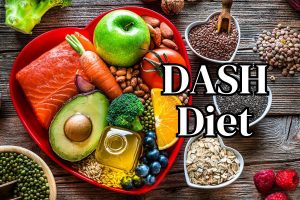
A practical guideline is to fill one third to one half of your plate with non starchy vegetables, one quarter to one third with protein rich foods, and use the remaining space for whole grains, fruits, or starchy vegetables, then add small servings of healthy fats like avocado, olives, nuts, or seeds (Healthline).
Choose lean protein first
Start each meal by picking a protein source. Lean protein supports fullness and helps protect muscle while you lose fat.
Examples you can rotate:
- Skinless chicken breast or turkey
- Lean cuts of beef, such as top sirloin
- Fish rich in omega 3s like salmon or sardines
- Eggs
- Beans and lentils
Lean meats like skinless chicken breast and top sirloin beef provide high protein, fat fighting nutrients that require more energy to digest, making them effective components of a fat loss meal plan (Santiam Hospital). Beans, lentils, and other plant proteins also supply fiber that keeps you full.
Greek yogurt is another standout. It contains almost twice as much protein as other yogurts and your body burns more calories digesting protein than digesting carbohydrates. That makes Greek yogurt an efficient and convenient food choice for weight loss, especially when you choose nonfat or low fat, low sugar options (WebMD, Santiam Hospital).
Load up on vegetables and high water foods
Non starchy vegetables like leafy greens, broccoli, peppers, cucumbers, and tomatoes give you volume for very few calories. They help you feel physically full without pushing you over your calorie target.
High water content fruits, including watermelon, pears, and apples, also increase fullness with fewer calories. Their mix of water and fiber helps control appetite and makes it easier to naturally cut back on portions (WebMD).
You can use these foods in salads, snack plates, or as sides with meals. They are especially useful when you tend to overeat at dinner, since they take up space on your plate and in your stomach.
Add smart carbs like whole grains
Carbohydrates are not the enemy, especially when you choose whole, fiber rich sources that digest slowly.
Quinoa is a helpful example. It offers about 8 grams of protein and 5 grams of fiber per cup, along with minerals and vitamin E. Those nutrients make quinoa an excellent whole grain to include in a fat loss meal plan, since you get both slow burning carbs and extra protein and fiber to stretch your fullness (WebMD).
Other smart carb choices include oats, brown rice, barley, whole grain pasta, and starchy vegetables like sweet potatoes. You can adjust the portion size of these foods up or down depending on your hunger level and activity.
Use healthy fats in small amounts
Healthy fats are calorie dense, but you do not need to avoid them. You simply use smaller portions. Add a thumb sized amount of nuts or seeds, a drizzle of olive oil, or a couple of avocado slices. These fats support hormone health and satisfaction, especially when you are eating in a calorie deficit.
Plan hunger friendly snacks
Snacks can either derail your fat loss meal plan or make it easier to stick with. The difference is whether you choose mindless, low protein options or intentional, protein and fiber rich snacks.
A few effective combinations are:
- Apple slices with peanut butter
- Crunchy vegetables with hummus
- Roasted chickpeas
- Greek yogurt with fruit and a sprinkle of nuts
These types of snacks help manage hunger between meals and support fat loss because they combine protein and fiber, both of which boost satiety (Healthline).
If you notice late afternoon or late night overeating, adding one structured snack like these often helps you avoid impulsive, less balanced choices later.
Use simple strategies to stay satisfied
You do not need complicated rules to stay on track. A few small habits drastically increase how satisfied you feel on your fat loss meal plan.
Start meals with soup or salad
Having a broth based soup or a vegetable heavy salad before your main course helps fill your stomach with low calorie, high water foods. This usually reduces how many calories you eat in the rest of the meal without feeling deprived (WebMD, Santiam Hospital).
Choose clear, broth based soups instead of creamy ones and limit high calorie dressings on salads. A simple vinaigrette, lemon juice, or a light drizzle of olive oil plus herbs works well.
Include fat friendly flavors and drinks
You can also lean on certain flavors and beverages that support your fat loss goals.
Hot peppers like habaneros and jalapenos contain capsaicin, a compound that can help curb appetite and speed up metabolism. They are a flavorful addition to your meals when you enjoy spicy food (Santiam Hospital).
Green tea is another option. Drinking it multiple times per day may help your body burn abdominal fat, so it is a useful drink to add to your routine alongside water and unsweetened beverages (Santiam Hospital).
Make prep as easy as possible
Your fat loss meal plan only works if you can actually follow it during a busy week. That is where easy meal prep comes in.
You are encouraged to:
- Choose recipes you can prepare in about 15 to 20 minutes
- Batch cook protein, grains, or roasted vegetables for a few days at a time
- Store food according to government approved food safety guidelines so meals stay safe and taste good
This kind of prep keeps things simple and prevents you from relying on one or two recipes for the entire week, which can lead to boredom and nutrient gaps (Healthline).
If a step takes more than 20 to 30 minutes and you know you will skip it on a tired weekday, simplify it or pick a different recipe.
Adjust your plan for your lifestyle
A good fat loss meal plan fits you. It respects your energy needs, your schedule, and your dietary restrictions, instead of forcing you into a rigid template.
You can adapt the structure above to almost any eating style. Plant based eaters can rely on tofu, tempeh, beans, lentils, and plant based yogurts. If you avoid gluten, you can use naturally gluten free grains like quinoa, brown rice, and certified gluten free oats. If you prefer lower carb eating, you can lean more on non starchy vegetables and proteins and use smaller portions of grains and starchy vegetables.
Just remember that if you completely exclude food groups, you may need supplements or careful planning to cover your nutrient needs (Healthline).
You can also play with calorie levels across the week. Some people like zigzag calorie cycling, where you eat a bit more on certain days and a bit less on others, while keeping your total weekly calorie target the same. This approach may help you avoid plateaus caused by your body adapting to a constant low calorie intake (Calculator.net).
Try this simple 1 day fat loss meal plan
Use this example as a starting point and adjust portions for your size, hunger, and activity. The focus is on protein, fiber, and high water foods.
Breakfast
- Greek yogurt with berries and a spoonful of chopped nuts
- Optional: one small serving of oats mixed in for extra fiber
Greek yogurt supplies protein and stays filling for hours, while the berries and oats bring fiber and natural sweetness.
Mid morning snack
- Apple slices with a tablespoon of peanut butter
You get crunch, sweetness, and satisfying fat and protein in a controlled portion.
Lunch
- Large salad with mixed greens, cherry tomatoes, cucumbers, and shredded carrots
- Grilled chicken breast or beans on top
- Quinoa or another whole grain on the side
- Light vinaigrette dressing
Here you are combining lean protein, high volume vegetables, and a smart carb like quinoa that offers both protein and fiber (WebMD).
Afternoon snack
- Crunchy vegetables with hummus
- Green tea
This snack adds extra fiber and plant protein, while green tea supports your fat burning efforts (Santiam Hospital).
Dinner
- Baked or grilled fish or another lean protein
- Roasted non starchy vegetables
- Small baked sweet potato or a modest serving of brown rice
- Side salad or a small bowl of broth based soup before the main meal
Starting with soup or salad helps you feel full with fewer calories, and the rest of the plate follows the protein plus vegetables plus smart carb framework (WebMD).
Optional evening snack
- Greek yogurt with cinnamon
- Or roasted chickpeas
Stick with something that includes protein and fiber so you are not just adding empty calories right before bed (Healthline).
Putting it all together
You do not need a rigid, one size fits all menu to lose fat. You only need a clear structure and a short list of foods you enjoy.
If you remember to:
- Keep a moderate calorie deficit
- Build each plate around lean protein, vegetables, and whole grains
- Use snacks that combine protein and fiber
- Rely on simple habits like starting meals with soup or salad and prepping easy basics
then you have a simple fat loss meal plan you can actually follow. Start by trying the sample day above, notice which meals keep you full the longest, and then repeat and tweak those ideas across your week.