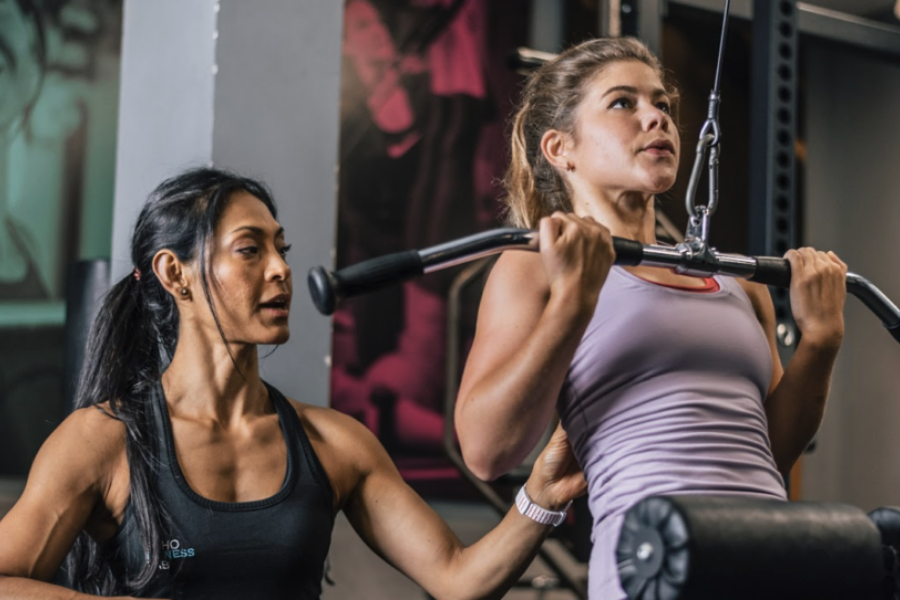
A smart fat loss plan looks a little different for women than it does for men. You typically have less muscle mass, a higher body fat percentage, and hormonal shifts to consider, which means the right fat loss exercises for women need to build strength, protect energy, and fit your real life. The good news is that you do not need extreme routines or hours of daily cardio to see changes in your body composition and muscle tone.
Below, you will find a practical breakdown of how to structure your workouts, the best types of exercise for fat loss and muscle definition, and a sample weekly plan you can adapt to your schedule.
Understand how women lose fat
Women often find that the scale moves more slowly even when you feel like you are doing everything right. A big part of that comes down to muscle. Compared with men, women usually start with less lean muscle and more stored fat, partly because of lower testosterone levels. Since muscle is metabolically active tissue, less muscle means a lower daily calorie burn.
This difference shapes how effective your workouts are. If you only focus on cardio, you may burn calories during the session but miss the chance to build or maintain the muscle that keeps your metabolism higher all day. When you combine strength training with well chosen fat loss exercises for women, you can lose inches, support hormone health, and see more definition without chasing a lower and lower calorie target.
Why strength training is non‑negotiable
If you are worried that lifting weights will make you bulky, you are not alone. Many women stick to light dumbbells or avoid strength work entirely because of this fear. In reality, gaining significant muscle size requires years of heavy lifting and a calorie surplus. Under a fat loss plan, strength training helps you keep or slightly increase lean muscle so you look firmer and more defined as the scale drops.
Strength training 3 to 5 times per week for around an hour per session can speed up fat loss by building muscle that helps your body burn more fat over time. Trainers note that while cardio burns more calories during exercise, strength work increases excess post exercise oxygen consumption (EPOC). That is the elevated calorie burn that continues for hours or even days after your workout, because muscle tissue is the most metabolically active tissue in your body.
The key is to prioritize compound lifts that use multiple joints and muscle groups at once. These moves let you lift heavier, burn more calories per set, and maintain full body strength while you are in a calorie deficit.
Best strength exercises for fat loss and tone
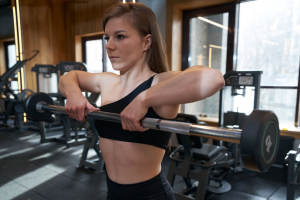
When you design fat loss exercises for women, think in terms of categories rather than a long list of random moves. Aim to include at least one compound exercise and a couple of accessory exercises for each major muscle group.
Compound moves to prioritize
Compound exercises give you the most return on your time because they recruit large muscle groups and demand more energy. Focus on:
- Squats and squat variations
- Deadlifts or hip hinges
- Bench presses or push ups
- Rows and pull downs
- Overhead presses
For fat loss, training volume matters. You can structure your sets and reps so that compound lifts sit in the lower to middle rep ranges. A useful guideline is 5 to 8 reps for the big lifts, which lets you use challenging loads without excessively long workouts. Isolation or accessory moves can live in the 10 to 15 rep range so you still create enough training volume without beating up your joints.
Accessory and isolation work
Isolation exercises target smaller muscle groups that support strength and aesthetics. In a fat loss phase, these moves help you preserve muscle around the shoulders, arms, and glutes so you keep shape and tone.
Examples include:
- Lateral raises for shoulders
- Biceps curls and triceps extensions
- Glute bridges and hip thrusts
- Hamstring curls
- Calf raises
Rotate your exercise selection every 4 to 6 weeks. This does not mean a completely new plan every month. Simply swap a few variations, such as moving from back squats to goblet squats or from barbell rows to single arm dumbbell rows, to prevent boredom and keep progress moving.
Cardio that supports fat loss, not burnout
Cardio still has an important place in fat loss exercises for women, especially for heart health, mood, and total calorie burn. The trick is to combine different intensities so you are not constantly exhausted.
High intensity interval training (HIIT)
HIIT burns a lot of calories in a short time and can keep your body in a heightened fat burning state for up to 24 hours after the workout. A classic setup includes short bursts of near maximal effort followed by brief recovery periods. Because of the intensity, you only need 15 to 25 minutes and you should limit HIIT to 2 or 3 times per week.
You can apply HIIT to:
- Sprints on a track or treadmill
- Kettlebell circuits, which can burn 554 to 822 calories per hour while combining strength and cardio, according to trainers Gabbi Berkow and Noam Tamir in 2024
- Jump rope intervals that burn an estimated 667 to 990 calories per hour at 120 skips per minute and also improve coordination, posture, and cardiovascular endurance, as reported by trainer Gabbi Berkow in 2024
Moderate and low impact cardio
Not every session needs to be all out. Moderate steady state cardio is easier to recover from and fits well on days between hard lifting or HIIT.
Good options include:
- Brisk walking or light jogging
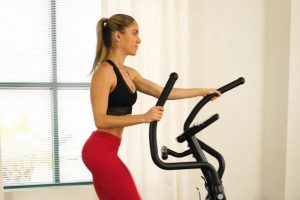
- Indoor cycling, which offers a no impact workout that can burn 568 to 841 calories per hour while strengthening the knees and hamstrings, especially when you add intervals
- Swimming, which is ideal if you have joint pain because it uses both upper and lower body muscles, burns calories effectively, and improves cardiovascular health
Current UK Government guidelines recommend at least 150 minutes of moderate intensity aerobic activity or 75 minutes of vigorous activity per week for meaningful fat and weight loss, along with two strength training days. Aerobic exercise is identified as the most effective type of exercise for overall fat loss, including belly fat, because it makes your heart work harder so your body taps into stored fat for fuel.
Mind body options that help you stay consistent
On paper, fat loss is about calories in versus calories out. In real life, stress, sleep, and mood influence how easy it is to stick with your plan. That is where mind body practices come in.
Yoga and Pilates
Yoga and Pilates can both support fat loss in women by increasing strength, awareness, and stress control.
Research in The Journal of Sports Medicine and Physical Fitness found that Pilates can make sedentary overweight and obese women stronger and help maintain a healthy weight. Yoga practiced at least once a week for 30 minutes has been associated with weight loss and lower BMI in overweight individuals, likely because it increases mindfulness around eating and helps manage stress.
Certain yoga flows that emphasize the hips and core, especially when done dynamically, can increase calorie burn while staying friendly to your joints. Hip focused and core focused sequences that keep you moving and breathing steadily at home can pair nicely with more intense training days.
Everyday movement
Not every helpful activity looks like a workout. Light movement, such as walking, gentle cycling, or an easy swim, keeps your energy up and can reduce the urge for emotional eating, especially when you are under pressure. Over time, this daily activity adds up and supports your calorie deficit without feeling like another intense workout you have to push through.
Sample weekly workout plan for fat loss and tone
You can use this example as a template and then adjust days, exercises, or time as needed. The goal is a mix of strength, intervals, and lower intensity work that fits into a realistic schedule.
Aim for 3 to 5 strength sessions, 1 to 2 days of cardio or HIIT, and at least 1 day of gentle movement and recovery each week.
Day 1: Lower body strength
- Main lift: Squats, 4 sets of 5 to 8 reps
- Accessory: Romanian deadlifts, 3 sets of 8 to 10 reps
- Accessory: Glute bridges, 3 sets of 10 to 15 reps
- Core finisher: Plank variations, 3 sets of 20 to 40 seconds
Day 2: Upper body strength
- Main lift: Bench press or push ups, 4 sets of 5 to 8 reps
- Row variation, 3 sets of 8 to 10 reps
- Overhead press, 3 sets of 8 to 10 reps
- Arm isolation, such as biceps curls and triceps extensions, 2 to 3 sets of 10 to 15 reps
Day 3: Active recovery or yoga
- 30 minutes of yoga, focusing on hips, hamstrings, and core
- Gentle walk or easy cycling if you feel restless
Day 4: Lower body strength plus intervals
- Main lift: Deadlifts or hip thrusts, 4 sets of 5 to 8 reps
- Lunges or split squats, 3 sets of 8 to 10 reps per leg
- Calf raises, 3 sets of 12 to 15 reps
- Short HIIT session: 10 to 15 minutes of intervals such as 30 seconds of fast cycling or jump rope, followed by 60 seconds easy
Day 5: Upper body strength
- Main lift: Row or pull down, 4 sets of 5 to 8 reps
- Push variation, such as incline bench or dumbbell press, 3 sets of 8 to 10 reps
- Shoulder isolation, like lateral raises, 3 sets of 12 to 15 reps
- Core work, such as dead bugs or side planks, 3 sets each
Day 6: Cardio of choice
- 30 to 40 minutes of your preferred moderate activity, such as swimming, indoor cycling, or a brisk hike
- Optional: finish with 5 to 10 minutes of light stretching
Day 7: Rest and reset
- Relax, sleep a bit more if you can, and take a short walk if it feels good
- Use this day to plan your upcoming workouts and meals so the next week feels less rushed
This plan follows the common and effective upper or lower split format, with four main strength days and added cardio. You can scale the intensity by changing weights, rep ranges, or cardio duration depending on your experience level and how you feel during a calorie deficit.
The role of nutrition, hydration, and recovery
Even the best fat loss exercises for women will not deliver results if your nutrition, hydration, and recovery are constantly working against you. An 8 week combined exercise and diet program for overweight women aged 40 to 60 years in Israel showed that women in the combined group saw the biggest improvements in BMI, body fat percentage, and lean body mass, compared with diet only or exercise only groups. They also experienced greater reductions in waist and hip circumference, which is important for lowering cardiovascular and diabetes risk.
That same combined approach improved blood pressure, predicted maximal oxygen consumption, and balance. Psychological variables like subjective well being, self efficacy, body image, and self image also improved only in the exercise plus diet group, which underlines how powerful movement is for your mental as well as physical health.
Hydration matters too. Trainer Louise Hazel highlights that even a 1 percent drop in hydration can negatively affect fat burning. She recommends sipping roughly 250 milliliters of water first thing in the morning, 500 milliliters during workouts, and another 500 milliliters afterwards to support performance and recovery.
Finally, remember that spot reduction is not possible. According to British Heart Foundation Senior Dietitian Tracy Parker, exercises like sit ups and crunches can strengthen your abdominal muscles but they will not specifically burn belly fat. The only effective way to lose fat around your midsection is to lose body fat overall by increasing physical activity and eating healthy foods to create a calorie deficit. As your body uses stored fat for energy, it gradually reduces fat from your belly as well as other areas.
Make your plan sustainable
One important finding from long term research is that many women regain weight after short programs end. In the Israeli study, around half of the women in both the combined exercise plus diet group and the diet only group had regained weight and stopped regular exercise six months after the program finished. That pattern makes it clear that the best fat loss exercises for women are not just about intensity. They must be sustainable and enjoyable enough that you will keep doing them.
To make your plan stick:
- Choose activities you genuinely enjoy so workouts feel like self care, not punishment
- Keep sessions short and focused on busy days instead of skipping completely
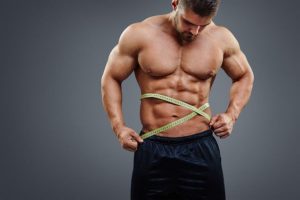
- Track three to five key metrics such as strength on major lifts, waist and hip measurements, energy levels, and sleep quality, rather than only watching the scale
- Adjust sets, reps, and cardio volume when you feel worn down, especially in a calorie deficit
Start by adding just one or two of the strategies above this week, such as committing to three strength sessions or scheduling a weekly yoga class. Over time, these consistent, realistic choices do more for your fat loss and muscle tone than any perfect plan you cannot maintain.