A diet that actually leads to sustainable fat loss has to do three things at once. It needs to create a calorie deficit, keep you full enough to stick with it, and fit into your real life. The best diet for fat loss is not a single universal plan. It is the approach that reliably helps you eat a little less than you burn, most days of the week, without making you miserable.
Below, you will see how different evidence based strategies work, what they change in your body, and how to decide which one suits you and your lifestyle.
Understand what really drives fat loss
Every successful fat loss plan, no matter how it is branded, rests on one principle: a calorie deficit.
A calorie deficit means you consistently burn more calories than you consume. When that happens, your body dips into stored fat to make up the difference, so your fat stores slowly shrink. Without that deficit, fat loss simply will not happen, even if your food choices feel very healthy (WebMD).
For most adults, a moderate deficit of about 500 calories per day is considered safe and sustainable. This usually leads to roughly 1 pound of weight loss per week, as long as you are not dropping below minimum intake levels. General guidelines are at least 1,200 to 1,500 calories per day for many women and 1,500 to 1,800 for many men (WebMD). Your exact needs depend on height, weight, age, and activity level.
A moderate deficit is important. If you cut too hard, you increase the risk of low energy, slowed metabolism, mood swings, nutrient deficiencies, and even gallstones or disordered eating patterns (WebMD). The right plan should leave you a bit hungry sometimes, but not exhausted or obsessed with food.
Use food volume to stay full
One reason many diets fail is that you feel deprived. Eating low energy density foods is a simple way to stay fuller on fewer calories.
Energy density is the number of calories in a given weight or volume of food. Foods with a lot of water and fiber have fewer calories per bite, so you can eat larger portions for the same energy intake. The Mayo Clinic Diet uses this concept to help people lose weight and keep it off by prioritizing low energy dense foods (Mayo Clinic).
Focus on fruits, vegetables, and whole grains
Vegetables and fruits are ideal for a fat loss diet because they are high in water and fiber. This means generous servings that add volume to your plate for relatively few calories (Mayo Clinic). You can fill half your plate with produce at most meals and still stay well within your calorie goals.
Whole grains, such as oats, quinoa, and brown rice, offer more fiber and nutrients than refined grains. They are more filling, but they also tend to be higher in energy density than vegetables or fruits, so portion control still matters (Mayo Clinic).
Include healthy fats in small amounts
Fat is energy dense, which means small portions come with a lot of calories. However, you still need some fat for hormone health, vitamin absorption, and long term satisfaction from your meals.
Including modest portions of healthy fats like nuts, seeds, and oils such as olive or flaxseed oil can support satiety and heart health, as long as you limit portion size and keep saturated and trans fats low (Mayo Clinic).
A helpful mental shortcut: load up on vegetables and fruits, add a palm sized serving of protein, include a fist sized serving of complex carbs, and finish with a thumb sized serving of healthy fat.
Leverage protein to lose fat, not muscle
When you are in a calorie deficit, you are not just losing fat. Without enough protein, you risk losing muscle too. That is why higher protein intake is one of the most powerful tools in any fat loss plan.
A high protein diet can make you feel fuller, reduce snacking, help control blood sugar, and support a healthy metabolism (WebMD). Protein also helps maintain muscle mass while you lose fat, which is crucial for your strength, shape, and resting calorie burn.
For weight loss, protein often works best when it makes up roughly 20 to 30 percent of your daily calories (University of Kansas Medical Center). Many adults who want to lose fat while preserving muscle benefit from increasing protein from the standard 0.8 grams per kilogram of body weight up to around 1.0 to 1.2 grams per kilogram. For someone who weighs 175 pounds, that is about 80 to 95 grams of protein per day (University of Kansas Medical Center).
Choose lean, varied protein sources
Protein does not have to mean steak at every meal. You can mix lean animal and plant based sources so your diet stays interesting and balanced.
Some strong options include:
- Lean meats such as skinless chicken or turkey, and lean cuts of beef or pork like loin or round. These typically contain less than 10 grams of fat, 4.5 grams or less of saturated fat, and under 95 milligrams of cholesterol per 100 grams (WebMD).
- Seafood such as salmon and other fish rich in omega 3 fats, which support heart health.
- Beans and lentils that combine fiber and protein, helping with fullness and digestion (WebMD).
- Nuts like walnuts and almonds in small portions for a satisfying crunch and healthy fats (WebMD).
- Plant based proteins such as tofu and soy products, which may help lower cholesterol levels (University of Kansas Medical Center).
Practical habits help here too. Aim to include a source of protein at every meal, drink plenty of water to avoid constipation, and consider protein shakes if you struggle to reach your daily target (University of Kansas Medical Center).
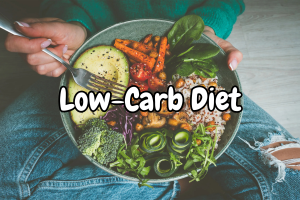
Compare low carb and keto for fat loss
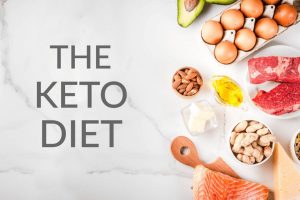
Low carb and ketogenic diets are popular choices for people searching for the best diet for fat loss. Both approaches reduce carbohydrate intake and emphasize protein and fat, but they differ in how strict they are and how realistic they feel long term.
How low carb diets work
A low carb diet usually reduces daily carbohydrates to roughly 20 to 120 grams per day (Health). You typically cut back on bread, pasta, grains, sugary drinks, and desserts, while prioritizing protein rich foods, vegetables, and healthy fats.
Eating fewer carbs can support appetite control, more stable energy levels, and short term weight loss (Health). Low carb plans are flexible compared to keto. You do not have to stay under a very strict carb limit, and you usually do not need to track every gram meticulously (Factor75).
How keto diets differ
A ketogenic diet is a more extreme version of low carb. Carbohydrates are typically limited to about 20 to 50 grams per day, which usually equals only about 5 to 10 percent of your total calories (Health, Factor75). Most of your calories, about 70 to 80 percent, come from fat, with moderate protein intake (Factor75).
This very low carb intake can push your body into ketosis, where you burn fat for fuel instead of sugar, which often leads to faster early weight loss (Health). However, protein must be carefully balanced because too much can convert to glucose and interfere with ketosis (Factor75).
There are tradeoffs. Keto tends to be harder to maintain, and long term studies on sustainable weight loss are limited. It may also increase the risk of nutrient deficiencies, low blood sugar, electrolyte imbalances, and digestive problems, especially if you have certain health conditions. It is a good idea to talk with a healthcare professional before starting (Health, Harvard Health).
Which carb approach fits you
Both low carb and keto can support weight management by encouraging your body to burn more fat, improve blood sugar control, and lower cholesterol, although long term effects need more research (Health). If you like structure but want flexibility, a moderate low carb approach with plenty of non starchy vegetables, lean proteins, and healthy fats may be more sustainable than strict keto for most people (Factor75).
Whatever you choose, prioritize whole, nutrient dense foods like leafy greens, avocados, broccoli, and spinach. Try to avoid ultra processed products sold as low carb or keto friendly, since they can still contain unhealthy additives and extra calories (Factor75).
Consider intermittent fasting as a schedule, not a cure all
Intermittent fasting is not a specific list of foods. It is an eating pattern that cycles between periods of eating and periods of fasting. The main focus is when you eat, not what you eat.
Common structures include the 16/8 method, where you fast for 16 hours and eat during an 8 hour window every day, or the 5:2 method, where you eat normally on 5 days of the week and limit yourself to one 500 to 600 calorie meal on the other 2 days (Johns Hopkins Medicine).
During fasting, your body can deplete its sugar stores and switch to burning fat for fuel, a process sometimes called metabolic switching (Johns Hopkins Medicine). In some cases, this can lead to short term ketosis after about 16 hours without food (Harvard Health Publishing).
Intermittent fasting often leads to slow and steady weight loss of about half a pound to a pound per week, similar to traditional calorie restriction, and its main advantage is simplicity. For some people, eating only within a fixed window is easier to stick with than counting every calorie (Harvard Health Publishing).
However, fasting is not magic. Weight loss still depends on your overall calorie intake and the quality of your food. If you overeat processed foods during your eating windows, you can easily cancel out any deficit (Harvard Health Publishing, Johns Hopkins Medicine). A Mediterranean style pattern, with leafy greens, healthy fats, lean proteins, and complex carbohydrates, is a good foundation to pair with any fasting plan (Johns Hopkins Medicine).
Intermittent fasting is not for everyone, especially if you have diabetes, heart disease, or a history of disordered eating. It can also be socially challenging if your schedule revolves around family meals or late dinners (Harvard Health).
Build habits you can keep forever
The best diet for fat loss is not the one that drops the most pounds in two weeks. It is the one you can keep doing next month and next year.
According to Harvard Health, sustainable weight loss comes from making a lasting shift toward healthier eating, rather than cycling through restrictive short term diets (Harvard Health). That usually means:
- Centering your meals around natural, minimally processed foods.
- Emphasizing plant based foods, especially fruits and vegetables.
- Including plenty of protein to preserve muscle.
- Keeping added sugar and excess salt low.
- Using healthy fats like fish and olive oil instead of heavily processed or trans fats (Harvard Health).
Patterns such as the Mediterranean, DASH, MIND, and Nordic diets all follow this logic. They are rich in plants, healthy fats, and natural foods, and have been linked to weight loss and lower risks of heart disease, diabetes, depression, and some cancers (Harvard Health).
You can combine these principles with whichever structure suits you best. For example, you might follow a Mediterranean style diet within a gentle calorie deficit, add a slightly higher protein target, and choose a 16/8 schedule if that feels manageable.
Do not forget movement and lifestyle
Diet is the main driver of fat loss, but activity helps more than just your calorie burn. Regular movement supports your mood, your appetite signals, and your ability to maintain weight loss over time.
Combining dietary changes with moderate to vigorous exercise, like 30 to 45 minutes most days of the week, plus strength training twice a week, tends to improve results and make them easier to keep (WebMD). Programs like the Mayo Clinic Diet also recommend at least 30 minutes of daily physical activity, including walking and resistance exercise, to support fat loss and mental well being (Mayo Clinic).
Sleep, stress, and your environment matter as well. If you are consistently sleep deprived or overwhelmed, sticking to any eating plan will feel harder.
Putting it all together
If you are choosing the best diet for fat loss for yourself, you can use these steps as a simple guide:
- Set a moderate calorie deficit that keeps you above minimum intake levels.
- Fill your plate mostly with low energy dense foods like vegetables and fruits.
- Aim for about 20 to 30 percent of your calories from protein from varied, lean sources.
- Choose a structure you can realistically follow, such as moderate low carb, a Mediterranean style plan, or an intermittent fasting schedule.
- Add regular movement and basic strength training to protect muscle and support your metabolism.
- Focus on habits you can keep, not quick fixes.
You do not need a perfect plan to see progress. Start with one or two changes that feel doable this week, such as adding a serving of vegetables to lunch and dinner or including a protein source at every meal. As those become routine, you can layer on the next small step until your everyday way of eating naturally supports the results you want.