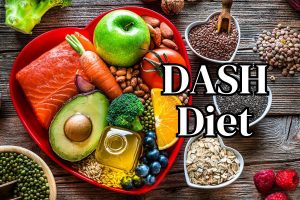
A well planned DASH diet grocery list makes it much easier to support your heart health and manage your weight. Instead of guessing at each meal, you can stock your kitchen with foods that match the DASH principles of more plants, more fiber, and less sodium and saturated fat. With the right items in your cart, you set yourself up for better blood pressure control and more consistent, satisfying meals.
Below, you will find exactly what to buy in each aisle so you can follow the DASH diet without feeling like you are constantly “on a diet.”
What the DASH diet is and why your list matters
The DASH diet, short for Dietary Approaches to Stop Hypertension, focuses on vegetables, fruits, whole grains, and lean proteins. According to the Mayo Clinic, this pattern is designed to help lower blood pressure and support overall heart health by emphasizing nutrient dense foods and limiting sodium and saturated fat (Mayo Clinic).
Your grocery list is where the plan becomes real. When you stock up on the right basics, you naturally eat more potassium rich produce, fiber filled grains, and healthy fats. You also make it easier to stay under the recommended 1,500 to 2,300 milligrams of sodium per day that the DASH diet suggests for blood pressure management (Mayo Clinic).
Think of your list as a simple tool that nudges your everyday choices in a healthier direction.
DASH diet serving guide in simple terms
The Mayo Clinic outlines how many servings from each food group you should aim for at different calorie levels, which is helpful when you plan your weekly shopping (Mayo Clinic). You do not need to count every bite, but understanding the rough balance will guide what you put in your cart.
Here is a simplified view of how your day might look on a standard DASH style plan:
A typical DASH style day centers on several servings of vegetables and fruits, moderate whole grains and lean protein, and small amounts of healthy fats, nuts, and low fat dairy.
You can translate this into shopping by asking two questions:
- Do you have enough produce at home to cover half your plate at most meals?
- Do you have whole grains, lean proteins, and low fat dairy to fill in the rest?
If the answer is no, use the sections below to round out your list.
Produce section: Fruits and vegetables to prioritize
Vegetables and fruits sit at the core of your DASH diet grocery list. They are packed with potassium, magnesium, and fiber that support healthy blood pressure, and they are naturally low in sodium and calories.
Aim to fill a large portion of your cart with a mix of colors and types so you do not get bored. Fresh, frozen, and no salt added canned options all work as long as you watch the sodium and added sugar.
Good vegetables to add to your list:
- Leafy greens such as spinach, kale, and romaine
- Cruciferous vegetables such as broccoli, cauliflower, and Brussels sprouts
- Colorful options such as bell peppers, carrots, beets, and tomatoes
- Starchy vegetables like sweet potatoes and winter squash for more filling meals
Fruits that fit well in a DASH plan:
- Apples, pears, and oranges for easy snacks
- Berries for topping yogurt, oatmeal, or salads
- Bananas for potassium and quick energy
- Grapes, cherries, or melon for desserts that are naturally sweet
When you shop, choose “low sodium” or “no salt added” if you buy canned vegetables, and pick fruit packed in water or its own juice rather than syrup.
Whole grains and starches to add to your cart
Whole grains provide fiber and nutrients that help you feel full and support heart health. On a DASH diet grocery list, they are your base for breakfasts, grain bowls, and side dishes.
Look for “100% whole grain” or “whole wheat” as the first ingredient on labels. If you are used to refined grains, you can slowly swap in whole grain versions of familiar foods.
Examples of DASH friendly grains and starches:
- Oats, either old fashioned or steel cut
- Brown rice or wild rice
- Quinoa, farro, barley, or bulgur
- 100% whole wheat or whole grain bread and tortillas
- Whole wheat pasta
- Starchy sides like plain potatoes or sweet potatoes, preferably baked or roasted rather than fried
Grains can be one of the sneaky sources of sodium if you buy flavored mixes, so choose plain versions and season them with herbs, citrus, and a small amount of salt at home instead.
Low fat dairy choices for calcium and protein
The DASH diet includes fat free or low fat dairy foods to provide calcium, protein, and vitamin D without the higher saturated fat you find in full fat varieties (Mayo Clinic). These foods can anchor breakfasts, snacks, and light desserts.
On your grocery list, consider:
- Skim or 1% milk
- Low fat or nonfat plain yogurt
- Greek yogurt for extra protein
- Low fat cottage cheese
- Reduced fat cheeses, used in modest amounts
Check labels for both fat and sodium content, since some cheeses and cottage cheese can be surprisingly salty. Plain yogurt is usually your best bet, and you can add your own fruit and a drizzle of honey if you want more flavor.
Lean proteins to support heart health
Protein is key for staying satisfied between meals, and the DASH diet encourages lean, lower fat sources. According to the Mayo Clinic, key protein options include fish, poultry, beans, and nuts as part of a heart healthy pattern (Mayo Clinic).
When you shop for protein, aim for variety across the week instead of leaning on just one option like chicken.
Lean animal proteins:
- Skinless chicken or turkey breasts and thighs
- Fish such as salmon, trout, cod, and tilapia
- Shellfish like shrimp or scallops, ideally without heavy breading or sauces
- Lean cuts of beef and pork, such as tenderloin or sirloin, trimmed of visible fat
- Eggs, especially if you use more egg whites than yolks
Plant based proteins:
- Beans such as black beans, kidney beans, and chickpeas, ideally no salt added
- Lentils in dried or canned form
- Tofu and tempeh
- Edamame, either fresh or frozen
When you buy canned beans, rinse them under running water before using to remove some of the sodium. If you purchase deli meats or pre marinated meats, compare labels, since many options are high in salt and saturated fat.
Nuts, seeds, and healthy fats in moderation
Nuts and seeds play a supportive role in your DASH diet grocery list. They offer healthy fats, plant protein, and fiber that help your heart and keep you satisfied. The key is to enjoy them in small, measured amounts because they are calorie dense.
Smart choices for your cart:
- Unsalted almonds, walnuts, pistachios, or peanuts
- Natural nut butters with minimal added salt and sugar
- Seeds such as chia, flax, pumpkin, or sunflower
- Healthy oils, especially olive oil and canola oil, for cooking and dressings
Skip heavily salted or candied nuts, since they work against your sodium and sugar goals. A small handful of nuts on oatmeal or a spoonful of nut butter on whole grain toast can turn a simple meal into something more filling and flavorful.
Smart snack ideas that fit the DASH diet
Snacks can either sabotage or support your progress, depending on what you keep at home. If you plan ahead, you can build a snack drawer that matches your DASH goals as well as your cravings.
Some snack friendly items to include on your list:
- Fresh fruit that does not require much prep, like apples, grapes, and bananas
- Cut vegetables such as baby carrots, snap peas, and bell pepper strips
- Low fat yogurt cups, preferably plain or lightly sweetened
- Small containers of unsalted nuts or trail mix made with dried fruit and seeds
- Whole grain crackers paired with hummus or a slice of low fat cheese
Arrange these snacks at eye level in your fridge or pantry. When the healthier choice is the first thing you see, you are more likely to reach for it without overthinking.
How to keep sodium low while you shop
The DASH diet encourages you to keep sodium between 1,500 and 2,300 milligrams a day, which means your grocery list and label reading habits make a big difference (Mayo Clinic). Sodium hides in everyday foods like bread, sauces, frozen meals, and deli meat, not just in chips and pretzels.
When you are in the store, use a few simple rules:
- Look for “no salt added,” “low sodium,” or “reduced sodium” on labels
- Compare brands and choose the option with the lowest sodium per serving
- Buy plain versions of foods and season them yourself at home
- Limit heavily processed meats, instant noodles, boxed dinners, and salty snacks
Over time, your taste buds adjust to lower sodium foods. You may even start to notice natural flavors more clearly when they are not buried under added salt.
Putting your DASH diet grocery list into action
Having the right foods at home is only useful if you actually use them. A little light planning will help you turn your grocery list into simple, everyday meals that match your heart health goals.
You might start by:
- Picking two or three DASH friendly breakfasts to rotate, such as oatmeal with fruit, yogurt with berries and nuts, or eggs with vegetables and whole grain toast
- Planning a few mix and match lunch and dinner ideas like grain bowls, big salads with beans or chicken, or stir fries with lots of vegetables and brown rice
- Prepping a couple of ingredients once or twice a week, for example chopping vegetables, cooking a pot of brown rice, or grilling chicken breasts
As you get comfortable, you can adjust your list to match your preferences. The core idea stays the same, keep plenty of vegetables, fruits, whole grains, lean proteins, low fat dairy, and unsalted nuts or seeds in your kitchen, and let them crowd out foods that are high in sodium and saturated fat.
Even one small change, such as swapping one salty frozen dinner for a simple home cooked meal with roasted vegetables and grilled chicken, moves you closer to a heart healthy pattern. Add a few of the ideas above to your next dash diet grocery list, and you will feel more in control every time you shop.