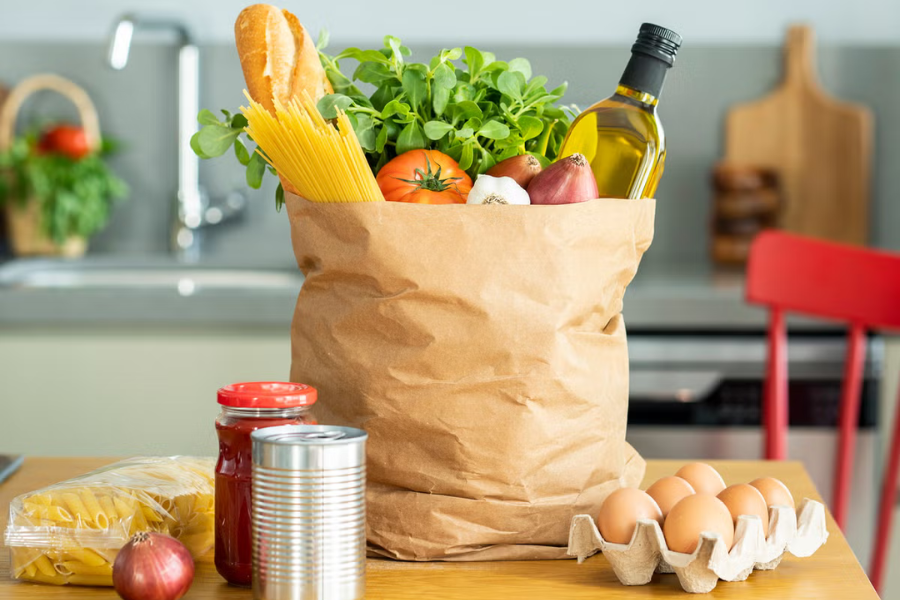
A fat loss grocery list can do more for your goals than another complicated diet rule. When you choose your food before you are hungry, you make it much easier to create a calorie deficit, eat enough protein and fiber, and still feel satisfied. With a little planning, your weekly cart can quietly support long term fat loss instead of fighting it.
The ideas below help you build a practical, realistic list that works in real life, not just on paper.
Understand what supports fat loss
Before you write your fat loss grocery list, it helps to know what you are aiming for. Fat loss comes from a consistent calorie deficit, but how you fill those calories matters for hunger, energy, and muscle.
The Centers for Disease Control and Prevention suggest losing about one to two pounds per week for better long term maintenance, along with regular movement and stress management for overall health (Nourish). That pace is slow enough that you can still enjoy food and build habits you can keep.
Two nutrients deserve extra attention:
- Protein, about 25 to 30 grams per meal, has been linked to better weight loss results because it helps you feel full between meals (Nourish).
- Fiber adds bulk with very few calories, helps manage blood sugar, and keeps digestion regular.
Your grocery list is your chance to prioritize foods that deliver protein and fiber in satisfying portions.
Focus on low energy density foods
The Mayo Clinic Diet uses the idea of energy density, which is the number of calories in a given volume of food. When you choose low energy dense foods, you can eat larger, more filling portions for fewer calories (Mayo Clinic).
Most vegetables and many fruits are naturally low in energy density because they contain a lot of water and fiber. Whole grains and lean proteins also have a favorable balance, especially compared to refined snacks or high fat items.
This is why volume eating, like a big salad with grilled chicken or a burrito bowl loaded with vegetables and beans, feels so satisfying even in a calorie deficit. Your plate looks and feels full.
A simple rule of thumb: build each meal around a lean protein, fill half your plate with vegetables or fruit, then add a modest portion of whole grains or starchy carbs.
Build your cart around lean protein
A strong fat loss grocery list usually starts with protein. It helps preserve muscle while you lose fat and keeps you fuller for longer. Experts like Dr. Craig Primack recommend at least 100 grams of lean protein per day to support weight loss and strength training results (For Hers).
Good options to add to your list include:
- Poultry: Skinless chicken breast or thighs, ground turkey
- Fish and seafood: Salmon, tuna, cod, shrimp, white fish
- Lean meats: Sirloin tip, extra lean ground beef, pork tenderloin
- Eggs and egg whites: Whole eggs for nutrients plus extra whites for volume
- Dairy or alternatives: Nonfat Greek yogurt, low fat cottage cheese, fat free or low fat milk, soy yogurt
- Plant proteins: Tofu, tempeh, edamame, lentils, beans, chickpeas, black beans
Both the Mayo Clinic and Nourish recommend selecting protein sources that are low in fat and calories, such as lean meats, poultry, fish, egg whites, beans, and fat free dairy, to help you feel full on fewer calories (Mayo Clinic, Nourish).
When you plan your week, it helps to decide which proteins you will use for each meal, then buy only what you need. For example, you might pick chicken and lentils for dinners, tuna and eggs for lunches, and Greek yogurt for breakfast.
Pack your list with fruits and vegetables
Fruits and vegetables do a lot of silent work in a fat loss diet. They are low in calories, high in water and fiber, and provide vitamins, minerals, and antioxidants you need for overall health. Because they are low energy dense, they help you feel full without adding many calories (Mayo Clinic).
Fruits that support fullness
According to 2024 guidance, fruits that are especially helpful for fat loss include berries, citrus, melons, and pome fruits like apples and pears (For Hers). You might add:
- Berries, such as strawberries, blueberries, raspberries
- Citrus, like oranges, tangerines, lemons, limes
- Melons, including cantaloupe and honeydew
- Apples and pears, which are portable and high in fiber
- Frozen fruit for smoothies or quick yogurt toppings
These options tend to be lower in sugar relative to their fiber content and keep you full longer.
Vegetables for volume and nutrients
Vegetables bring bulk to your meals so you can fill most of your plate without overshooting your calorie goals. The For Hers 2024 grocery list highlights:
- Leafy greens: Arugula, spinach, kale, romaine
- Cruciferous vegetables: Broccoli, cauliflower, Brussels sprouts, cabbage
- Root vegetables: Carrots, beets, sweet potatoes
- Bulb vegetables: Onions, garlic, leeks, which boost flavor with few calories
These vegetables are high in fiber and antioxidants and are ideal for fat loss because they are low calorie and nutrient dense (For Hers).
Fresh, frozen, and even canned vegetables without added sauces or sugars all work. If you struggle to eat enough, try roasting a big tray of mixed vegetables at the start of the week so you can add them to bowls, omelets, and wraps.
Choose whole grains and smart carbohydrates
Carbs do not need to disappear from your fat loss grocery list. The key is picking options that digest more slowly and keep you full, instead of quick refined carbohydrates that spike hunger again an hour later.
The Mayo Clinic suggests choosing whole grains, which are higher in fiber and nutrients, over refined grains to help with fat loss by lowering the overall energy density of your diet (Mayo Clinic). The For Hers guide also recommends whole grains like quinoa, brown rice, farro, and barley for their complex carbs and fiber content (For Hers).
Options to include:
- Oats, especially old fashioned or steel cut
- Quinoa, brown rice, wild rice, barley, farro
- Whole wheat or sprouted grain bread and tortillas
- Whole grain pasta in moderate portions
- Starchy vegetables, like potatoes, sweet potatoes, and winter squash
You can shape portions by using the plate method: aim for about a quarter of your plate to be whole grains or starch, another quarter lean protein, and half non starchy vegetables.
Add healthy fats in small amounts
Fat is calorie dense, so you do not need much to feel satisfied. Healthy fats support hormone production, brain function, and nutrient absorption, so the goal is not to avoid them but to use them intentionally.
The Mayo Clinic recommends nuts, seeds, and oils like olive and flaxseed oil in small amounts and advises limiting saturated and trans fats such as butter and shortening due to their high energy density (Mayo Clinic).
Useful items for your list:
- Nuts, such as almonds, walnuts, pistachios, portioned out in small servings
- Seeds, including chia, flax, pumpkin, and sunflower seeds
- Oils, especially extra virgin olive oil and avocado oil
- Whole food sources of fat, like avocados and natural nut butters
Because calories add up quickly, it helps to measure these at home, at least at first. A tablespoon of olive oil or a small handful of nuts goes a long way.
Plan low calorie, high protein snacks
Snacks can make or break a fat loss plan. If you arrive home ravenous with no plan, it is much easier to overdo it. A few ready to eat, portion aware options on your fat loss grocery list can keep you steady between meals.
WebMD highlights several 100 calorie snacks that combine protein and fiber and help with fullness:
- Slow churned or double churned ice cream: About 100 calories per half cup, thanks to reduced fat and calories with a creamy texture (WebMD).
- Popcorn: Some microwave popcorn brands offer six cups for only 100 calories. The volume and fiber can keep you full longer (WebMD).
- Almonds: Fourteen almonds come in under 100 calories and provide both fiber and protein to curb hunger (WebMD).
- Cottage cheese with fruit: Half a cup of low fat cottage cheese with cantaloupe totals about 100 calories and combines protein with fiber for satiety (WebMD).
- Nonfat Greek yogurt with honey: Half a cup with a teaspoon of honey gives around 84 calories and 12 grams of protein, which is excellent for fullness (WebMD).
You can also create your own go to snacks by pairing a protein source with either fiber or a little healthy fat, such as an apple with peanut butter or carrots with hummus.
Know what to limit, not ban
You do not need to label foods as “never again,” but some items are much easier to overeat and can quietly stall your progress if they show up in your cart each week.
Nourish recommends limiting these for more effective fat loss:
- Ultra processed foods, like chips, cookies, and candies
- Sugar sweetened beverages, including soda and many bottled coffees and teas
- Fast food meals and fried items
- Refined carbohydrates, such as white bread and regular pasta
- Alcoholic drinks, which pack calories with minimal nutrients (Nourish)
Instead of stocking up on these, you might buy small, single serving treats occasionally or enjoy them out at social events so they do not become everyday staples.
Use smart shopping habits to stay on track
What you put on your list is important, but how you shop also matters. Simple habits at the store can protect your goals all week long.
Nourish suggests several practical strategies for a fat loss grocery trip:
- Plan your meals first, then write a specific list.
- Choose whole and minimally processed foods as your default.
- Read nutrition labels for added sugars and unhealthy fats.
- Prioritize lean proteins and high fiber items.
- Avoid shopping when you are hungry to reduce impulse buys (Nourish).
You can also try ordering groceries online. It is often easier to stick to your list when you are not walking past end cap displays and snack aisles.
Put it all together for your next trip
When you build your fat loss grocery list around lean protein, fiber rich fruits and vegetables, whole grains, and measured healthy fats, you create an environment where weight loss feels more automatic. You do not rely only on willpower because your kitchen is already set up to support you.
Start simple. For your next trip, pick:
- Two or three protein sources you enjoy
- A few fruits and vegetables you will realistically eat
- One or two whole grains
- One or two healthy fats
- One planned snack option
Over time, you can rotate new foods in and out, but the basic structure stays the same. That consistency is what leads to steady, sustainable fat loss rather than another short lived diet.