A fat loss plan does not have to rely on tiny portions and constant cravings. When you focus on foods for fat loss that are naturally filling, lower in calories, and rich in nutrients, you can eat satisfying meals without feeling like you are always saying no.
Below, you will find practical ideas you can use right away, plus the science behind why these foods support fat loss without extreme restriction.
Understand what makes a food “fat loss friendly”
You do not need special diet products to lose body fat. Instead, pay attention to three qualities that make foods especially helpful for fat loss.
Low energy density
Low energy dense foods give you a lot of volume for relatively few calories. These foods usually contain plenty of water and fiber, so your stomach feels full even though you have not eaten a large amount of calories. Vegetables and fruits are classic examples, and they are central to the Mayo Clinic Healthy Weight Pyramid, which encourages you to eat generous portions of these foods for both weight loss and overall health (Mayo Clinic).
High protein and fiber
Protein and fiber both slow digestion and help you stay satisfied longer. A high protein intake can reduce hunger, help you eat less, and preserve muscle during fat loss, especially when you also reduce overall calories (WebMD). Fiber works in a similar way by adding bulk and stabilizing your blood sugar.
Mostly minimally processed
Foods that are less processed tend to provide more vitamins, minerals, and fiber per bite, which means better energy and fewer cravings. Highly processed foods often pack in added sugars and unhealthy fats that can quickly push your calories up without filling you up.
Once you understand these three qualities, choosing foods for fat loss becomes much simpler.
Load up on vegetables and fruits
Vegetables and fruits are the foundation of a filling fat loss diet. You can eat them in generous amounts, and they support your health in many ways.
Why produce works so well
Vegetables and fruits are naturally low in calories but high in water and fiber. This combination helps you feel full with fewer calories, which is a key strategy for fat loss according to the Mayo Clinic’s guidance on energy density (Mayo Clinic). The Mayo Clinic Diet even encourages you to eat virtually unlimited amounts of most vegetables and fruits because they are so helpful for weight management and overall health (Mayo Clinic).
Foods that are especially high in water and fiber, such as watermelon, pears, apples, berries, and raw vegetables, fill up your stomach with fewer calories and promote a sense of fullness (WebMD).
Easy ways to add more produce
Aim to build every meal around produce first, then layer in protein and healthy fats. For example, you could:
- Start your day with a veggie packed omelet or a smoothie that includes spinach and berries.
- Make half your lunch and dinner plate vegetables, cooked or raw.
- Snack on sliced cucumbers, carrots, apple slices, or a bowl of berries instead of chips or cookies.
You do not need perfection. Even one extra serving of vegetables or fruit per day is a step toward a more filling, lower calorie eating pattern.
Choose lean proteins that keep you full
Protein rich foods are some of the most powerful tools you have for fat loss. They support your muscles, reduce hunger, and help your body use more energy during digestion.
Best protein options for fat loss
Lean meats and fish are excellent sources of high quality protein. WebMD suggests choosing lean meats with less than 10 grams of fat, 4.5 grams or less of saturated fat, and less than 95 milligrams of cholesterol per 100 grams, such as skinless chicken, skinless turkey, and lean cuts of beef or pork labeled loin or round (WebMD).
Other helpful choices include:
- Salmon and other fish rich in omega 3 fats. These provide protein and heart healthy fats that can support fat loss and overall health (WebMD).
- Greek yogurt, which contains almost twice as much protein as many other yogurts and helps keep you satisfied longer, especially if you choose nonfat, low fat, and low sugar varieties (WebMD).
- Eggs, dairy products, and plant based options like lentils, chickpeas, and black beans, which can significantly boost metabolism through the thermic effect of food (Nuvance Health).
Legumes such as black beans, chickpeas, and kidney beans are especially valuable because they are high in both protein and fiber and help increase fullness (UnityPoint Health).
How much protein to aim for
One simple guideline promoted for weight loss is the 90 30 50 plan, which suggests eating around 90 grams of protein, 30 grams of fiber, and 50 grams of healthy fats each day (WebMD). You do not have to hit those numbers exactly, but they give you a rough sense of how central protein should be in your daily eating pattern.
Try building every meal around a solid protein source first, then add vegetables, whole grains, and healthy fats.
Make smart carbohydrate swaps
You do not have to cut carbs to lose fat. You do benefit, however, when you trade refined options for whole grain choices that keep you full longer.
Pick whole grains over refined ones
Whole grains are higher in fiber and nutrients compared to refined grains, and they help keep energy density lower when you watch portion sizes (Mayo Clinic). For example, quinoa provides about 8 grams of protein and 5 grams of fiber per cup, along with important nutrients like iron, zinc, selenium, and vitamin E (WebMD).
Refined flour breads and white rice, on the other hand, are high in calories and carbohydrates but low in fiber and protein. White rice in particular has a high glycemic index that can spike blood sugar. Replacing these with whole grain bread and brown rice can promote fullness and faster weight loss (Vinmec).
Watch out for white bread
Eating two slices, about 120 grams, of white bread daily has been linked to a 40 percent greater risk of becoming overweight or obese. This is likely because white bread is refined, lower in fiber and protein, and often contains added sugar (Healthline). Choosing whole grain bread instead gives you more nutrients and helps keep you full longer for roughly the same number of calories.
Include healthy fats in small amounts
Fat is not the enemy. You simply want the right types in reasonable portions.
The role of healthy fats
Healthy fats support hormone production, brain health, and steady energy. The Mayo Clinic suggests including sources like nuts, seeds, olive oil, flaxseed oil, and safflower oil in small amounts, while limiting saturated and trans fats from butter and shortening (Mayo Clinic).
Almonds are a practical example. They provide a combination of healthy fats, fiber, and protein that helps curb hunger, making them a helpful snack between meals (UnityPoint Health).
Fatty fish such as salmon, tuna, sardines, and mackerel give you omega 3 fats and protein. The American Heart Association recommends eating fatty fish at least twice a week, and these fish can help your body burn more calories during digestion (UnityPoint Health).
Balancing fats with your goals
Healthy fats are energy dense, which means they contain a lot of calories in a small volume. To keep your intake in check, measure a tablespoon of oil when cooking, portion out nuts instead of eating from the bag, and use avocado as a topping rather than the base of a meal.
The 90 30 50 guideline of about 50 grams of healthy fats per day can give you a reasonable starting point if you want a simple number to aim for (WebMD).
Use beverages and spices to your advantage
Some simple additions can give you a modest metabolism boost or help you manage appetite.
Hydrating drinks that support fat loss
Water is one of the most underrated tools for fat loss. Drinking water can suppress appetite and temporarily increase your metabolism. A common recommendation is to drink about half your body weight in ounces of water daily, which also supports overall body functions (UnityPoint Health).
Green tea contains catechins that may temporarily boost metabolism and promote fat burning, especially if you drink it several times a day. Having it hot can turn it into a calming, mindful habit that replaces higher calorie drinks (WebMD). Coffee can also enhance metabolic rate thanks to caffeine, as long as you keep added sugar and cream in check (Nuvance Health).
Sugary drinks like soda, sports drinks, and many fruit juices contribute added sugars and empty calories. It is recommended that you keep these to no more than 10 percent of your daily calories for effective weight loss (Vinmec).
Spices that offer a slight boost
Spices and herbs such as cayenne pepper, ginger, and turmeric can gently support metabolism and digestion. For example, cayenne and chili peppers contain capsaicin, which temporarily raises your internal temperature and can slightly increase calorie burning (UnityPoint Health). Ginger and turmeric may also aid digestion and reduce inflammation (Nuvance Health).
These effects are modest, so think of spices as helpful additions that make healthy meals taste better rather than quick fixes.
Helpful rule of thumb: Use water, unsweetened tea, and black coffee as your main drinks. Use sugary drinks and creamy coffee beverages as an occasional treat, not a daily habit.
Limit foods that quietly work against your goals
You do not have to cut favorite foods forever to lose fat. It does help to be aware of which items add a lot of calories without much fullness so you can enjoy them less often and in smaller amounts.
Foods to keep for rare occasions
Research highlights several foods that make weight loss harder when they show up frequently in your diet:
- French fries and potato chips, which are very high in calories and fat and linked to weight gain. Potato chips in particular may contribute to more weight gain per serving than many other foods (Healthline).
- Sugar sweetened beverages like soda that add calories and sugar without helping you feel full, causing you to eat more on top of what you drink (Healthline).
- Baked items such as cookies, cakes, and pastries that are high in added sugars and often contain trans fats, which increase hunger and the risk of obesity and heart disease (Vinmec).
- Sweetened yogurts that pack in added sugars. Choosing unsweetened varieties and adding fresh fruit instead is a healthier alternative (Vinmec).
High calorie coffee drinks with a lot of cream and sugar can also quietly raise your daily calorie intake, while plain black coffee may actually support fat burning (Healthline).
You can still enjoy these foods, but treating them as occasional extras instead of daily staples makes fat loss much easier.
Pair smart food choices with simple daily movement
Foods for fat loss are powerful, but they work even better when you also move your body regularly.
The Mayo Clinic Diet recommends at least 30 minutes of daily physical activity, including walking and resistance exercises, to support fat loss and improve mental well being (Mayo Clinic). You do not have to start with a complex workout plan. A brisk walk, some bodyweight squats, or a short strength routine at home can all help.
Increasing or maintaining muscle mass through both protein intake and resistance exercise is especially helpful, since muscle burns more calories even when you are resting (Nuvance Health).
Bringing it all together
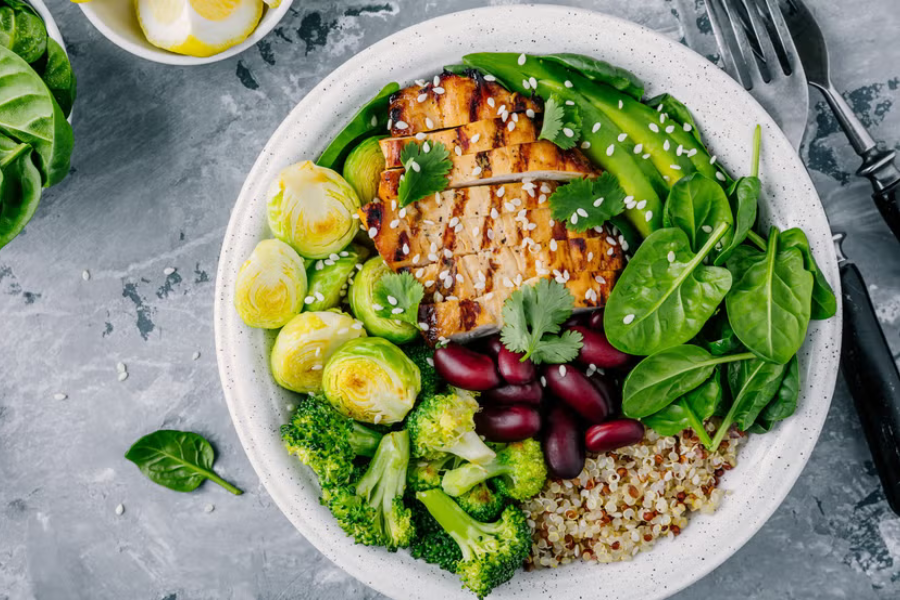
If you want to lose fat without extreme restriction, focus on what you can add instead of only what you should remove. Build your meals around vegetables, fruits, lean proteins, whole grains, and healthy fats. Rely on water, tea, and simple coffee, and save sugary drinks and rich desserts for intentional treats.
You do not need to change everything overnight. Start with one simple step, like swapping your usual afternoon pastry for Greek yogurt with berries, or adding a side salad to your dinner each night. These small, consistent changes in the foods you choose for fat loss can lead to meaningful progress over time without leaving you feeling deprived.