A ketogenic or keto diet can look appealing if you want fast weight loss and better blood sugar control. Before you overhaul your pantry, it helps to know how the diet actually works, what you can realistically expect, and where the risks are for your health and lifestyle.
Below, you will find a clear walk‑through of the keto diet so you can decide if it fits your goals, your schedule, and your medical history.
Understand what the keto diet is
The keto diet is a very low carbohydrate, high fat way of eating. The goal is to push your body into a metabolic state called ketosis, where you burn fat for fuel instead of carbs and produce ketones that your brain and other organs can use for energy. You typically eat about 75% of your calories from fat, around 20% from protein, and only about 5% from carbohydrates, which usually means 20 to 50 grams of carbs per day (University of Chicago Medicine, Healthline).
Originally, the ketogenic diet was not designed for weight loss at all. It was developed in the 1920s as a medical treatment to reduce seizures in children with epilepsy when medications were not enough (UC Davis Health). Today, you mostly hear about keto for weight loss and blood sugar management, but that medical background is a reminder that this is a serious therapeutic diet, not just a casual trend.
Learn how keto affects your body
When you follow a typical higher carb diet, your body breaks down carbohydrates into glucose, which becomes your main energy source. On a strict keto diet, you sharply restrict carbs, so your body has to adapt. Over about 72 hours of very low carb intake, you start using stored glycogen and then shift into ketosis, burning fat and producing ketones instead (University of Chicago Medicine).
This shift can have several effects:
You may notice a drop in appetite as your body adjusts to using fat and ketones for energy. Research suggests that people on keto often lose weight as well or slightly better than those on low fat diets, and some studies show an average of about 2 pounds more weight lost with keto in certain comparisons (Healthline). Because you are eating more fat and moderate protein, you often feel fuller, which can make it easier to eat less without counting calories.
If you have type 2 diabetes or prediabetes, the keto diet can also affect your insulin and blood sugar levels. Studies show improvements in insulin sensitivity, sometimes up to 75%, reductions in hemoglobin A1C, and meaningful weight loss over time, such as about 26 pounds lost over two years in one group of people with type 2 diabetes (Healthline). At the same time, keto can increase your risk of low blood sugar if you take diabetes medications, so any changes should be coordinated with your healthcare provider (Healthline).
Weigh the potential benefits
Knowing the possible upsides makes it easier to see if the keto diet aligns with your goals. You may experience:
Improved blood sugar control. Low carbohydrate intake can lower blood glucose and A1C, which is helpful if you are managing type 2 diabetes or insulin resistance (Healthline, Healthline). Some people are able to reduce or adjust medications under medical supervision.
Noticeable early weight loss. Rapid initial weight loss is common on keto, especially in the first couple of weeks. Much of this comes from using up glycogen and losing water, not just fat, although longer term fat loss can occur with a sustained calorie deficit (Northwestern Medicine). Seeing the scale move quickly can feel motivating, as long as you understand what is actually changing.
Appetite reduction. Higher fat and adequate protein can keep you feeling full longer. People often report less day‑to‑day hunger, which might help you stick to a lower calorie intake without feeling like you are constantly restricting (Healthline).
Possible neurological benefits. Keto is still a key therapy for drug‑resistant epilepsy in children and may offer benefits for certain neurological or metabolic conditions, though research is still evolving in many areas (Healthline, UC Davis Health).
Health markers such as triglycerides and HDL cholesterol may also improve in some people, but responses are very individual. Some see better numbers, while others see a rise in LDL cholesterol, so lipid testing before and after starting keto is recommended (UC Davis Health).
Be honest about the risks and downsides
Before you commit, it is important to look at the other side of the equation. Keto is not a gentle tweak to your eating habits, and it is not a great fit for everyone.
You will have to accept that long‑term adherence can be difficult. The classic keto diet is strict and often requires professional dietitian support in medical settings. Keeping carbs at 20 to 50 grams per day means cutting or significantly reducing foods like bread, rice, pasta, most fruits, many yogurts, and nearly all sweets (UC Davis Health, University of Chicago Medicine). Over time, many people find this level of restriction hard to maintain, which can lead to weight regain when they return to their usual eating pattern (Northwestern Medicine).
You are also more likely to fall short on certain nutrients. Because you are avoiding or limiting fruits, whole grains, legumes, and some vegetables, you may end up low on fiber, magnesium, vitamin C, potassium, calcium, vitamin D, and other micronutrients (Northwestern Medicine, Healthline). Supplementation with a multivitamin, minerals, and electrolytes is often recommended for people who stay on strict keto (UC Davis Health).
Side effects are common, especially early on. In the first days, you may experience the so‑called keto flu, symptoms like headache, fatigue, nausea, dizziness, constipation, or diarrhea. These usually resolve within a few days but can be unpleasant enough to make you question your choice (Healthline, Healthline). Over time, you may also deal with constipation and changes in your gut microbiome because your fiber intake is lower (Healthline).
You also need to think about your heart and kidney health. If you get most of your fat from animal sources and eat a lot of red meat, butter, and full‑fat dairy, you may push saturated fat intake above recommended levels. This can raise LDL cholesterol and may increase heart disease risk in some people (Northwestern Medicine, University of Chicago Medicine). A heavy emphasis on animal protein can also increase blood and urine acidity, which raises the risk of kidney stones and can worsen chronic kidney disease, so people with kidney problems are advised to avoid keto (Healthline).
There are also some less obvious concerns. Studies show that keto may impair athletic performance, especially for endurance sports, and may increase lean tissue loss compared with higher carb diets (UC Davis Health). Bone health markers can be affected as well, with signs of increased bone breakdown in some research (UC Davis Health). On top of that, the social side of eating can get more complicated when restaurant menus, family meals, and holidays are full of high carb foods, which can sometimes lead to feelings of isolation or disordered eating patterns (University of Chicago Medicine).
Medical experts at several academic centers recommend against using the ketogenic diet as a general weight loss strategy for most people, because it is difficult to sustain, it limits many beneficial foods, and weight regain is common when you stop (University of Chicago Medicine).
Know who should avoid keto or use caution
Before you try the keto diet, it is worth asking whether it is safe for you specifically. This is especially important if you have existing health conditions.
You should not start a keto diet without close medical supervision if you have pancreas, liver, thyroid, or gallbladder disease, or if you have chronic kidney disease, due to the potential stress on those organs and the acid load from high animal‑based intake (University of Chicago Medicine, Healthline). If you live with type 1 diabetes, your risk of severe hypoglycemia is higher, and you may already experience frequent low blood sugar events, so any carb restriction should be managed with an endocrinologist (Healthline).
If you take medications that lower blood sugar, you may need rapid dose adjustments once you start keto to avoid dangerously low levels. That is why dietitians recommend working with your doctor right from the beginning if you have diabetes or insulin resistance (University of Chicago Medicine, Healthline).
You should also tread carefully if you have a history of disordered eating. The strict rules around “allowed” and “not allowed” foods, along with the focus on tracking macros, can worsen an unhealthy relationship with food for some people (University of Chicago Medicine).
Learn what you actually eat on keto
If you decide to move forward, it helps to visualize what a typical day of keto eating looks like, so you are not caught off guard by the changes.
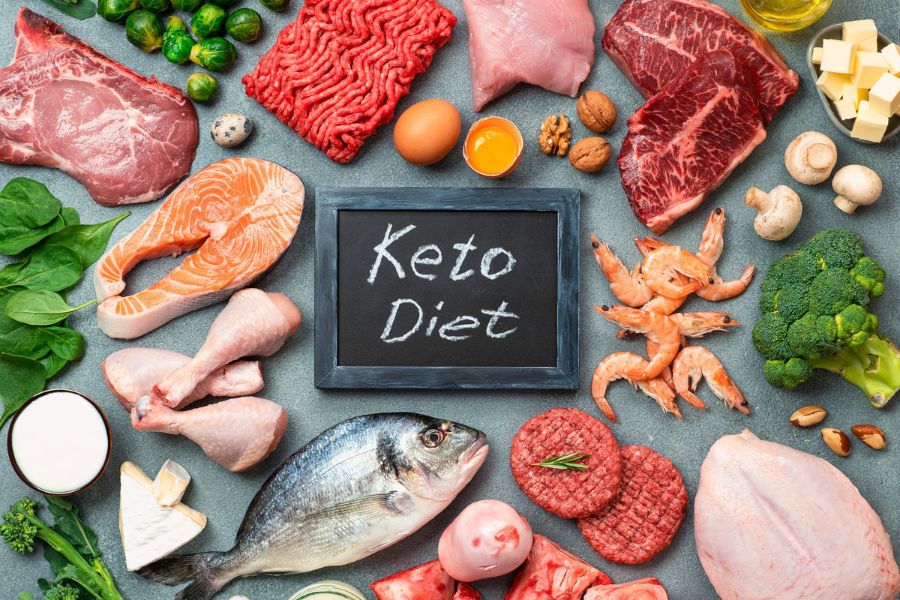
Your plate will be heavy on fat, moderate in protein, and very low in carbs. You will likely rely on foods such as:
- Animal proteins like seafood, meat, poultry, and eggs, which are naturally low in carbs and provide protein and B vitamins (Healthline)
- Nonstarchy vegetables such as leafy greens, peppers, zucchini, cauliflower, and spaghetti squash, which add fiber and nutrients without too many carbs (Healthline)
- Fats and oils like olive oil, avocado oil, coconut oil, butter, and ghee, which are carb free and supply most of your calories (Healthline)
- Nuts, seeds, and small portions of lower sugar berries like raspberries and strawberries, which provide fat, fiber, and antioxidants with relatively few net carbs (Healthline)
You will limit or avoid bread, pasta, rice, potatoes, most cereals, sugary drinks, sweets, and many fruits. Drinks will mostly be water, unsweetened tea, and black coffee or coffee with added fat instead of milk.
Even though all those fats are allowed, quality still matters. Health professionals suggest emphasizing unsaturated fats from olive oil, avocado, nuts, and fatty fish rather than making bacon and butter your main staples, to help protect your heart health (Northwestern Medicine).
Decide if keto fits your lifestyle and goals
Once you understand the mechanics, benefits, and risks, the final step is to look at your own life. Ask yourself a few straightforward questions before you commit:
Are you comfortable cutting your carb intake very low for more than a few weeks, including at social events, restaurants, and holidays? Keto works as long as you keep carbs consistently low. Frequent breaks will likely reduce its effectiveness and may cause weight to rebound.
Do you have health conditions that make keto risky, especially kidney, liver, pancreas, thyroid, or gallbladder issues, or a history of disordered eating? If so, talk to your doctor or a registered dietitian before you make changes. In some cases, a more moderate, balanced approach to carbs and fats will be safer.
Are you mainly looking for rapid weight loss, or are you trying to improve metabolic markers with long‑term changes? Since quick water weight loss is common early on and weight regain is likely if you stop, you may decide that a sustainable eating pattern is a better match for long‑term health and weight maintenance (Northwestern Medicine, University of Chicago Medicine).
If you do move forward, try starting with a clear plan rather than jumping in overnight. You can begin by cutting obvious sugars and refined carbs, then gradually lowering your carb target while increasing nonstarchy vegetables and healthy fats. Make sure to drink plenty of water, add extra electrolytes and salt as needed, and check in with your healthcare provider to monitor blood work and medications.
Keto is one tool among many, not a magic solution. Understanding how it works, what it demands from you, and how it affects your body will help you use it thoughtfully, or choose a different path that supports your weight and health goals with fewer tradeoffs.