A keto diet can feel confusing until you know exactly which keto diet foods you can pile on your plate and which you should skip. Once you have a go‑to list of low carb, high fat staples, it gets much easier to lose weight, manage blood sugar, and feel steady energy throughout the day.
Use this guide as your personal grocery checklist so you can build satisfying meals without constantly counting every gram.
Understand the basics of keto diet foods
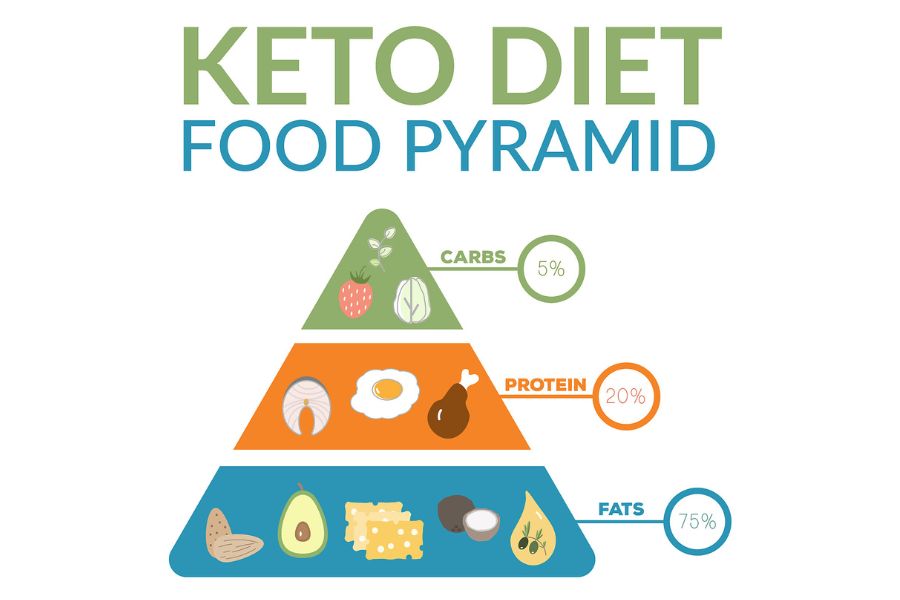
On a ketogenic diet, you eat very few carbs and focus on high fat, moderate protein foods. This combination helps you reach ketosis, a metabolic state where your body uses fat for fuel instead of glucose from carbs (UC Davis Health).
In practice, that usually means limiting carbs to about 20 to 50 grams per day and not counting fiber, since your body does not digest it (Healthline). Starchy foods like pasta, rice, bread, potatoes, corn, peas, beans, and most desserts leave your daily carb budget in a hurry, so you avoid or strictly limit them on keto (UC Davis Health).
Within that framework, there are a few different keto styles. The classic keto diet is the strictest, a modified keto version allows a bit more protein and carbs, and the modified Atkins diet is more flexible while still being low carb (UC Davis Health). The foods below fit any of these approaches, you just adjust portions based on your personal carb target.
Fill your plate with healthy fats
Fat is your main fuel source on keto, so choosing quality fats matters. The goal is to lean on whole foods and minimize artificial trans fats, which are strongly linked to heart disease and often listed as partially hydrogenated oils or shortening on labels (Healthline).
Everyday fat staples
Avocados are one of the best keto diet foods you can choose. They are packed with heart friendly fats, fiber, vitamins, and minerals, and may support cholesterol balance, blood sugar, and healthy aging (Healthline). You can slice them on salads, mash into guacamole, or even blend into smoothies.
Avocado oil gives you the same healthy fats and works well for roasting vegetables or searing meat, since it has a high smoke point.
Nuts are another simple way to add fats, plant based protein, and fiber. Almonds, walnuts, pecans, pistachios, Brazil nuts, and even small portions of cashews can fit. Regular nut intake is associated with a lower risk of heart disease and deaths from cancer, diabetes, and respiratory illnesses (Healthline).
Seeds like flax, chia, and hemp are compact nutrient powerhouses. Flax seeds in particular bring anti inflammatory omega‑3 fats and a large dose of fiber. A quarter cup of flax seeds offers about 11 grams of fiber, 7 grams of protein, and 18 grams of fat, about half of which is omega‑3s, and may help protect against heart disease, cancer, diabetes, and degenerative brain diseases (Healthline).
Olives, full fat mayonnaise made with healthy oils, and high quality butter or ghee can all support your fat intake too. Just keep an eye on ingredients so you are not accidentally getting added sugars or highly refined oils.
Quick tip: If you suddenly cut carbs, you may lose more salt than usual, so you often need a bit more sodium plus a daily multivitamin with minerals when you follow strict keto (UC Davis Health).
Choose keto friendly proteins
Protein keeps you full, helps maintain muscle, and supports your metabolism. On keto, you aim for moderate amounts, not unlimited portions, unless you are using a more flexible modified Atkins style (UC Davis Health).
Best animal proteins
Seafood is a standout in any list of keto diet foods. Fatty fish like salmon, sardines, and mackerel are nearly carb free and rich in omega‑3 fats, which may support healthy blood sugar and insulin levels. Adults are generally advised to eat 8 to 10 ounces of fish per week (Healthline).
Eggs are another keto staple. One large egg has less than 1 gram of carbs and about 6 grams of protein, with most nutrients concentrated in the yolk, including antioxidants that protect eye health (Healthline). Enjoy them boiled, scrambled in butter, baked in muffin cups, or folded into omelets with low carb veggies.
Meat and poultry work well too. Go for unprocessed beef, pork, lamb, and chicken or turkey with the skin, then cook them in healthy fats and pair them with non starchy vegetables. Watch out for breaded or sugary marinades that sneak in extra carbs.
Dairy based proteins
Full fat Greek yogurt can fit into your plan as long as you account for its small carb content. A 150 gram serving usually provides about 6 grams of fat, 13 grams of protein, 6 grams of carbs, and roughly 15 percent of your daily calcium, plus probiotics that support digestion (Healthline).
Cheese, cottage cheese, and cream cheese are also popular keto diet foods, particularly when you choose full fat versions. Reduced fat products tend to have more sugars to make up for the missing fat, which does not align with keto goals (Healthline).
Load up on low carb vegetables
Vegetables are where much of your fiber, antioxidants, and micronutrients come from. On keto, you simply shift toward low carb options and keep high starch choices for rare occasions.
Leafy greens like spinach, kale, swiss chard, collard greens, romaine, and arugula are excellent because they are low in digestible carbs and high in nutrients and fiber (Ketogenic.com). You can build big salads with olive oil dressing, sauté greens in avocado oil, or stir them into omelets and soups.
Other great non starchy vegetables include peppers, cucumbers, zucchini, summer squash, broccoli, cauliflower, asparagus, mushrooms, and green beans (Healthline). These add color and crunch to your plate without pushing you over your carb limit.
On the flip side, you typically limit or avoid high carb vegetables such as sweet potatoes, yams, and butternut squash, since they can quickly disrupt ketosis. Root vegetables like rutabaga or cooked carrots can fit in moderate amounts, especially if your total daily carbs allow some flexibility (Ketogenic.com).
Enjoy fruits in small portions
Fruit is nutritious, but many options are high in sugar and net carbs, mainly from fructose. That can raise blood sugar and potentially kick you out of ketosis if you are not careful (Ketogenic.com).
The most keto friendly fruit is the avocado, which is technically a fruit. It is high in fat, low in net carbs, and, as mentioned earlier, supports heart and metabolic health (Ketogenic.com, Healthline). Olives fall into the same category of high fat, low carb fruit.
Berries, especially strawberries, raspberries, and blackberries, can be enjoyed in small servings. They provide important vitamins and anti inflammatory compounds and tend to be higher in fiber than many other fruits (Ketogenic.com, Healthline). A handful with whipped cream or over Greek yogurt makes a satisfying dessert.
Higher carb fruits like bananas, apples, grapes, mango, and pineapple are usually off the regular menu on a strict keto plan, although a few bites on special occasions might work if you track the carbs carefully (Healthline).
Smart snacks, drinks, and condiments
When you know which snacks and drinks are keto friendly, you can avoid last minute choices that derail your progress.
Snack wise, think about building a balance of fats and protein. Options like cheese, nuts, seeds, hard boiled eggs, pork rinds, celery sticks with cream cheese, or cucumbers with guacamole are all simple, portable choices. The Whole Foods Market 7 day keto meal plan features ideas like veggies with chipotle dips, cheese boards, Parmesan crisps, pork rinds, and keto friendly sausage patties to keep you satisfied between meals (Whole Foods Market).
For drinks, plain water, sparkling water, unsweetened tea, and black coffee are your best bets. You usually want to avoid sugary sodas and juices, as well as most beers and sweet mixed drinks, because they contain a lot of carbs. For example, a regular 12 ounce soda like Coca Cola contains around 39 grams of carbs, which can use up almost an entire day of carbs in one serving (Healthline).
Condiments and sweeteners deserve a close look too. Ketchup, barbecue sauce, sweet chili sauce, honey, and maple syrup can all contain large amounts of sugar that quickly add to your carb count, with honey and maple syrup providing 17 grams and 13 grams of carbs per tablespoon respectively (Healthline). Instead, choose mustard, mayonnaise made with healthy oils, sugar free hot sauce, herbs, spices, and low carb sweeteners if you use them.
Put it all together in simple meals
Once you know which keto diet foods to reach for, building meals becomes an easy formula. Choose a protein, add at least one healthy fat, fill half your plate with low carb vegetables, and season well.
If you like structure, you can follow an example meal plan like the Whole Foods Market 7 day keto friendly plan. It features egg based breakfasts such as egg white omelet bites, keto yogurt with chia or almonds, and avocado egg boats. Dinners include dishes like herbed prime rib roast with riced cauliflower and broccoli, pizza style stuffed portobellos, no cook zucchini noodle salads with sausage, and roasted salmon stuffed with spinach, feta, and ricotta (Whole Foods Market). The plan also encourages using leftovers, prepping ahead, and picking up grab and go items like rotisserie chicken or sashimi to make staying in ketosis easier throughout the week (Whole Foods Market).
If you are just starting out, it is a good idea to talk with your healthcare provider and get baseline blood work, including cholesterol levels, then retest after three to six months. Keto can improve HDL and lower triglycerides in some people, but it can raise LDL in others (UC Davis Health). Checking in on your numbers helps you personalize your approach and stay on top of your health.
Key takeaways
- Prioritize high quality fats like avocados, nuts, seeds, olives, and healthy oils.
- Choose moderate portions of protein from seafood, eggs, meat, and full fat dairy.
- Fill your plate with low carb vegetables and keep starchy ones occasional.
- Enjoy berries and avocado as your main fruits and keep higher sugar fruits rare.
- Skip sugary drinks, refined carbs, and high sugar condiments that can knock you out of ketosis.
Start with one small change, such as swapping your usual carb heavy side for a generous serving of roasted low carb veggies in olive oil, and notice how much easier it feels to stay full while moving toward your weight and health goals.