A keto diet can make weight loss feel simpler, but only if you understand how it works and how to make it fit your life. When you get the basics of keto diet weight loss right, you can lose fat steadily, feel more satisfied between meals, and support better blood sugar control.
Below, you will learn what keto actually does inside your body, what kind of weight loss to expect, and practical steps to make progress without obsessing over every bite.
Understand how keto helps you lose weight
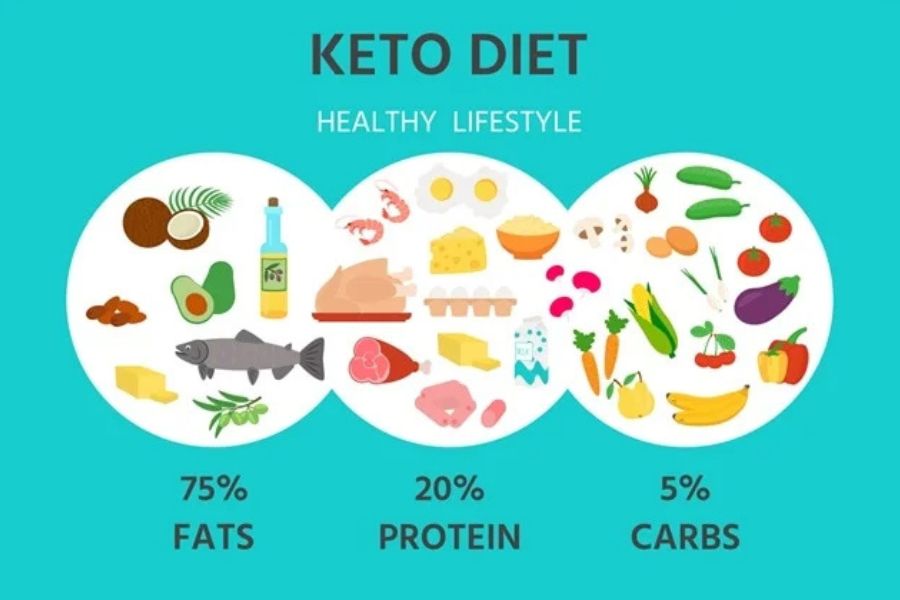
The ketogenic diet is a very low carbohydrate, high fat way of eating. A typical keto setup is about 70 to 80% of your calories from fat, 10 to 20% from protein, and only 5 to 10% from carbohydrates (Harvard T.H. Chan School of Public Health).
By dropping carbs to roughly 20 to 50 grams per day, you push your body into a state called ketosis. In ketosis, you burn fat for fuel instead of relying on glucose from carbs (Cleveland Clinic).
This shift supports weight loss in a few key ways:
- You tap into stored fat for energy instead of constantly burning incoming carbs
- High fat and moderate protein meals help you feel fuller, so you naturally eat less
- Lower blood sugar and insulin levels can reduce cravings and energy crashes
Short term, studies show keto can lead to weight loss and improvements in blood pressure, cholesterol, triglycerides, and insulin resistance (Harvard T.H. Chan School of Public Health). Over the longer term, your results depend more on whether you can stick to a calorie deficit and a routine that actually fits your life.
Know what weight loss timeline to expect
One of the easiest ways to stay motivated on your keto diet weight loss journey is to know what is realistic at each stage. Otherwise, normal slowdowns can feel like failure.
Week 1: Quick but mostly water
In your first week of keto, you will usually see a fast drop on the scale. Many people lose between 2 and 10 pounds during this time, but most of that is water weight rather than body fat (Healthline, KetoKeto).
Here is what is happening behind the scenes. Your muscles and liver store carbohydrate as glycogen. Each gram of glycogen holds roughly 3 grams of water, so when you cut carbs and burn through glycogen, that water leaves your body too. You may notice more frequent urination and stronger thirst in this phase (Healthline).
Weeks 2 to 12: Steady fat loss
Once your body is fully in ketosis, usually after 2 to 4 days of low carb eating and sometimes up to a week (Cleveland Clinic), weight loss slows but becomes more meaningful. At this stage, you are more likely to be losing fat, not just water.
If you are maintaining a moderate calorie deficit of about 500 to 750 calories per day, a sustainable rate of loss is about 1 to 1.5 pounds per week (Healthline). Some keto specific guides report 1 to 2 pounds of fat loss per week from weeks 2 through 12 (KetoKeto).
After 3 months: Slower, more targeted progress
After roughly three months, the rate usually slows again to about 1 to 2 pounds every couple of weeks for many people (KetoKeto). This often means you are closer to your goal weight and your body is adapting to the new pattern.
At this point, adjusting your macros, fine tuning calories, and adding more movement can help you continue to lean out while protecting muscle.
Focus on trends, not single weigh ins. A weekly loss that averages out to around 1 pound is already very solid progress on keto.
Build your plate for easy keto wins
A simple, repeatable meal structure makes keto diet weight loss far easier to stick to. You want meals that are high in healthy fats, moderate in protein, and very low in net carbs.
Choose the right fats
Keto is not a free pass to load up on any high fat food all day. Experts recommend prioritizing unsaturated fats that support heart health. That means more olive oil, avocado, nuts, seeds, and fatty fish such as salmon instead of relying only on butter and processed meats (Northwestern Medicine).
Coconut oil and other sources of medium chain triglycerides (MCTs) can also help increase ketone production and may support fat loss (EatingWell).
Prioritize satisfying protein
Protein helps you stay full, protects your muscles while you lose fat, and smooths out blood sugar. On keto, you do not need huge amounts of protein, but you do need enough.
Good options include:
- Eggs, which have less than 1 gram of carbs and about 6 grams of protein per large egg and can boost fullness hormones (Healthline)
- Plain Greek yogurt and cottage cheese in moderate portions, which can help reduce appetite and improve satiety (Healthline, EatingWell)
- Meat, poultry, and seafood without sugary marinades
Pick low carb, high fiber carbs
You do not need to avoid vegetables to lose weight on keto. In fact, fibrous vegetables and some low sugar fruits bring in important vitamins, minerals, and fiber. Fiber helps you feel full and supports healthy digestion.
Non starchy vegetables, nuts, and seeds are especially helpful. Nuts and seeds are high in fat and fiber but low in net carbs, and they may reduce calorie intake and support lower risk of chronic disease (Healthline).
You will avoid or sharply limit bread, pasta, rice, potatoes, sweets, and most baked goods since they can quickly push you over your daily carb limit (UC Davis Health).
Stay within your carb limit without stressing
To stay in ketosis, you usually need to keep your daily carbs under about 50 grams, and many people go lower, around 20 to 30 grams (Cleveland Clinic). That is roughly the amount of carbohydrate in three slices of bread, two bananas, or one cup of cooked pasta.
You do not have to obsess over every gram forever, but in the beginning it helps to:
- Log your meals in an app for a couple of weeks
- Learn the carb counts of your most common foods
- Build a few go to breakfasts, lunches, and dinners you can rotate
Shirataki noodles, which contain less than 1 gram of net carbs and only about 15 calories per serving, can be a useful pasta substitute. They are made from glucomannan fiber, which slows digestion, reduces hunger, and may support weight and blood sugar management (Healthline).
Avoid common keto weight loss roadblocks
Even with the best intentions, you may hit snags on your keto diet weight loss path. Knowing the most common ones makes them easier to prevent.
Confusing water loss with fat loss
In the first weeks, the dramatic drop on the scale is exciting, but remember that it is mostly water. Real fat loss shows up more slowly, so you want to track more than just your weight.
Use:
- Weekly photos in similar clothing
- Waist, hip, and thigh measurements
- Energy levels and how your clothes fit
This keeps you from quitting in weeks 3 and 4 when the big water drop has passed and the slower, but more meaningful, fat loss has begun.
Eating “keto” but not in a calorie deficit
Keto can curb your appetite, which helps many people automatically eat less. However, it is still possible to maintain or even gain weight if you regularly eat more calories than your body uses.
Highly calorie dense foods like cheese, nuts, and oils are easy to overdo. If your weight has stalled for several weeks, it may help to briefly track calories to check whether your portions are larger than you realize. Sustainable loss usually aligns with a daily deficit of about 500 to 750 calories (Healthline).
Underestimating how restrictive keto feels
The ketogenic diet is strict by design and can be tough to maintain over the long term. Many people regain at least half of the weight they lost when they go back to old eating patterns (Northwestern Medicine).
Planning ahead helps. You might:
- Choose the version of keto that best fits you, such as a classic strict keto, a slightly more flexible modified keto, or a modified Atkins approach with fewer protein limits (UC Davis Health)
- Decide in advance how you will handle social events and holidays
- Create a reintroduction plan for healthy carbs if and when you transition off keto
Protect your health while you lose weight
Keto can support weight loss, but it is not risk free, especially if you follow it for a long time without guidance.
Watch for nutrient gaps and side effects
Because keto limits fruits, legumes, many vegetables, and whole grains, you increase your risk of nutrient deficiencies. This can lead to constipation, fatigue, irritability, mental fog, and what many people call the “keto flu” during the first days or weeks (Harvard T.H. Chan School of Public Health, Northwestern Medicine).
Longer term, a poorly planned keto diet may raise your risk for kidney stones, osteoporosis, and increased uric acid levels (Harvard T.H. Chan School of Public Health). Some people also experience constipation, bad breath, hair loss, and gut issues (EatingWell).
A registered dietitian can help you design a keto approach that includes as much variety and fiber as your carb limit allows, and can suggest supplements if needed.
Work with your doctor, especially if you have health conditions
Keto was originally created in the 1920s as a medical treatment for drug resistant epilepsy, not as a general weight loss plan (UC Davis Health). Now, research suggests it may help with short term weight loss and can improve blood sugar control in type 2 diabetes for some people, by lowering insulin needs and fasting blood sugar levels (EatingWell).
Because responses to keto vary based on your genetics, body composition, and health history, it is smart to:
- Talk with your physician before starting, especially if you have diabetes, kidney issues, heart disease, or you take medications
- Check in on cholesterol, kidney function, and other labs regularly
- Have a plan for how you will reintroduce carbohydrates when you reach your goal (Harvard T.H. Chan School of Public Health)
This helps you use keto as a tool, not a crash diet.
Keep your keto journey sustainable
Your keto diet weight loss does not need to be perfect to be effective. What matters most is that you can repeat your choices most days without feeling miserable or deprived.
Start with a few simple changes: lower your daily carbs to under 50 grams, build meals around healthy fats, protein, and low carb vegetables, and watch your weekly averages instead of daily fluctuations. As you go, track both your numbers and how you feel. That way you can adjust early, avoid burnout, and protect your health while you lose weight.
If you begin with realistic expectations and a flexible mindset, keto can be one part of a long term approach to eating that supports both your body and your lifestyle.