A low carb breakfast does not have to be complicated or repetitive. With a few simple staples and a bit of planning, you can build low carb breakfast ideas that keep you full, support weight loss, and still feel like something you actually look forward to eating.
Starting your day with a high-protein, low-carb breakfast helps you maintain steady energy, better concentration, and fewer cravings later in the day, especially if you are using a low-carb diet for weight loss (EatingWell). The ideas below show you how to do that in practical, everyday ways.
Understand what “low carb” breakfast really means
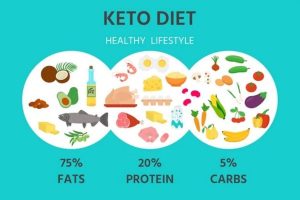
Low carb does not mean zero carb. It means choosing better quality carbohydrates in amounts that support your goals instead of loading up on sugar and white flour first thing in the morning.
When you build your breakfast, you want three pieces in place: a strong source of protein, some healthy fat, and a small portion of higher fiber carbs. This combo keeps you satisfied for hours so you are not hunting for a snack an hour after eating.
EatingWell suggests that even on a low-carb approach, around 40 percent of your daily calories can still come from carbohydrates, which usually works out to at least 120 grams per day to protect your fiber intake and digestion (EatingWell). For breakfast, many low-carb recipes aim for about 15 grams of carbs or less per serving and focus on complex, fiber-rich options instead of sugary cereal or pastries (Food Network).
Focus on protein so you stay full
If you want your low carb breakfast ideas to actually help with hunger and weight loss, protein is non-negotiable. It digests slowly, supports muscle, and helps you feel satisfied so you are not thinking about food all morning. A general goal is at least 50 grams of protein spread throughout the day, including breakfast, to support satiety and weight loss efforts (EatingWell).
You can get that protein from far more than just scrambled eggs. Dairy, tofu, lentils, and edamame all work, which is helpful if you like variety or you limit animal products. Greek yogurt, cottage cheese, and higher protein plant options let you mix sweet and savory breakfasts while keeping carbs low.
If you are used to a toast-and-jam morning, you might feel like a high-protein breakfast is a big change. Start by shifting one part of your plate at a time. Swap regular yogurt for Greek yogurt, replace juice with a side of eggs or tofu scramble, or use cottage cheese instead of cream cheese on your lower carb toast.
Build a quick low carb breakfast plate
Once you know your building blocks, low carb breakfast ideas become easier to pull together in a few minutes. You can mix and match what you have on hand rather than relying on a single recipe.
Here are some simple combinations you can throw together on a busy morning:
- Scrambled eggs with spinach and mushrooms, plus half an avocado
- Nonfat Greek yogurt with a small handful of berries and a spoonful of chopped nuts
- Cottage cheese topped with sliced cucumber and tomato, finished with a drizzle of olive oil
- Tofu scramble with peppers and onions, wrapped in a lettuce leaf
- Leftover roasted veggies heated in a pan with lentils for a quick breakfast hash
Each option gives you plenty of protein, some fiber, and healthy fats, with fewer carbs than a typical bagel or muffin breakfast. They also use ingredients that can work in multiple dishes, which keeps your grocery list manageable.
Try easy egg-based low carb breakfasts
Eggs are a classic low-carb breakfast ingredient for a reason. They are quick to cook, naturally high in protein, and go well with vegetables and cheese. You can dress them up or keep them plain depending on how much time you have.
Healthline highlights several egg-based low carb recipes such as spinach and goat cheese omelets, veggie frittatas, baked avocado eggs, shakshuka, crustless quiche with broccoli and bacon, zoodle egg nests, veggie egg cups, and scrambled eggs with turkey sausage (Healthline). You can think of these as templates rather than strict recipes.
For a low-effort weekday option, try egg muffins. Whisk eggs with chopped vegetables and a bit of cheese, pour into a muffin tin, and bake. Food Network notes that freezer-friendly egg white muffins are a convenient, low-carb, protein-rich choice that you can prep ahead and reheat as needed (Food Network).
On days when you want something that feels more like a special brunch, baked avocado eggs or shakshuka give you that restaurant-style breakfast without piling on carbs. BBC Good Food also suggests protein-rich egg wraps filled with vegetables like mushrooms and tomatoes for a quick, filling, low-carb meal that offers iron, folate, and fiber (BBC Good Food).
Enjoy low carb breakfasts without eggs
If you are tired of eggs or you do not eat them at all, you still have plenty of satisfying options. The key is to lean on other higher protein foods and low-carb vegetables so you get the same staying power.
Verywell Health points out that a 7 ounce container of plain, nonfat Greek yogurt has around 150 calories and 20 grams of protein, which makes it a strong base for a high-protein, low-carb breakfast when you add toppings like berries, nuts, or seeds (Verywell Health). Half a cup of cottage cheese offers about 15 grams of protein and only about 80 calories, and you can pair it with nuts and fruit for a sweeter bowl or with crunchy vegetables like cucumbers and bell peppers for something savory (Verywell Health).
If you prefer plant-based options, a tofu scramble is a flexible low-carb, egg-free choice. One fifth of a block of extra-firm tofu can give you at least 9 grams of protein, and you can season it with turmeric, nutritional yeast, and Kala namak for an egg-like flavor profile (Verywell Health). Lentil breakfast hash and edamame stir-fries also fit nicely into a low-carb morning. Verywell Health notes that a cup of cooked lentils has about 18 grams of protein and 230 calories, and when you combine lentils with fiber-rich vegetables and spices, you get a hearty breakfast hash that is still relatively low in carbs (Verywell Health).
Edamame offers a similar payoff. A cup of edamame provides around 18 grams of protein and 8 grams of fiber. Sauté it with vegetables like bell peppers and mushrooms and a bit of garlic, ginger, and tamari for a fast, savory low-carb stir fry breakfast (Verywell Health).
Add vegetables to boost volume and nutrients
Low-carb vegetables are one of your best tools for building breakfasts that feel generous without packing in a lot of starch. They help you stay full, add texture and flavor, and make your plate look more appealing.
High water, lower carb vegetables that work well at breakfast include spinach, kale, many types of lettuces, bell peppers, mushrooms, cucumbers, celery, cauliflower, onions, and tomatoes (EatingWell). You can fold them into eggs, toss them into a skillet hash, or serve them on the side with cottage cheese or yogurt.
Sweet potato is slightly higher in carbs than leafy greens but can still fit a moderate low-carb plan when you control the portion. Food Network suggests using sweet potato toast as a lower-carb alternative to bread, topped with ricotta, berries, and almonds, or with steak and roasted peppers, or with avocado and sprouts, or classic bacon, egg, and cheese for a diner-style bite (Food Network). You get more fiber and nutrients than white bread, along with that satisfying toast feeling.
BBC Good Food also offers ideas that combine veggies and eggs, such as avocado and black bean eggs, which can be ready in about 10 minutes and double as a simple lunch later in the day (BBC Good Food).
Satisfy your sweet tooth the low carb way
If you love sweet breakfasts, you do not have to give them up completely. You simply need to rethink your ingredients so you get sweetness with more protein and fiber and fewer refined carbs.
Healthline shares several sweeter low carb breakfast options, including low-carb pancakes, sugar-free granola bars, low-carb protein muffins, and almond flour waffles, all designed to keep carbs down while still feeling like a treat (Healthline). Using almond flour, coconut flour, and seeds instead of regular wheat flour is one way to get there.
Food Drink Life highlights low carb baked goods such as blueberry scones made with pantry staples in under 30 minutes and 2 ingredient flourless waffles that work well when you want something special without spending an hour in the kitchen (Food Drink Life). You can also try low carb hot cereals that rely on ingredients like coconut flour, flaxseed, and chia seeds instead of oats for a porridge-style bowl that is higher in protein and lower in carbohydrates (Food Drink Life).
If you are dairy free or vegan, BBC Good Food’s vegan banana pancakes and chocolate chia pudding give you low-carb, egg-free, and dairy-free breakfast ideas that stay fluffy and creamy, which can make it much easier to stick to your plan long term (BBC Good Food).
Make low carb breakfasts work on busy mornings
A low carb breakfast is easiest to stick with when you do a little prep ahead of time. The goal is to set yourself up so that the healthy choice is also the fast choice.
You can batch cook egg muffins, breakfast casseroles, or tofu scrambles on the weekend and store portions in the fridge or freezer. Food Drink Life features several make-ahead, protein-packed options like breakfast casseroles with eggs, sausage, and cheese or with ground beef that you can prep once and reheat through the week (Food Drink Life). Food Network also notes that Whole30 bacon and egg cups and veggie-packed breakfast frittatas work well for those following Paleo or Whole30 styles of eating and still want a low-carb, grab-and-go breakfast (Food Network).
For something you can drink on the way out the door, a smoothie can fit into a low-carb plan if you keep fruit portions modest and focus on protein and fats. Food Network’s mint chip breakfast smoothie is a keto-friendly example that tastes like mint chip ice cream but keeps carbs in check for busy mornings (Food Network).
You can also keep a few single servings of Greek yogurt, cottage cheese, or pre-cooked edamame in your fridge so you always have a protein base ready. Add a handful of berries, a spoon of nuts or seeds, or leftover veggies, and breakfast is done in minutes.
Key takeaways
- A low-carb breakfast works best when you combine plenty of protein, healthy fats, and a smaller amount of higher fiber carbs.
- You do not have to cut carbs to zero. Aiming for around 15 grams or less at breakfast, mostly from complex sources, is a common low-carb target (Food Network).
- Eggs are an easy option, but you can also use Greek yogurt, cottage cheese, tofu, lentils, and edamame to keep things interesting.
- Load your plate with low-carb vegetables like spinach, peppers, mushrooms, and tomatoes for volume and nutrients (EatingWell).
- Prep a few breakfasts ahead each week so your low carb breakfast ideas are just as convenient as any grab-and-go pastry.
Choose one idea from this list to try tomorrow morning. Once you find two or three low-carb breakfasts you truly enjoy, rotating them will start to feel natural, not like a diet you have to force yourself to follow.