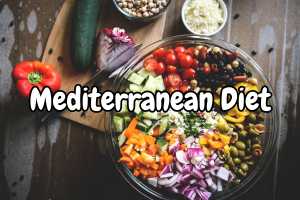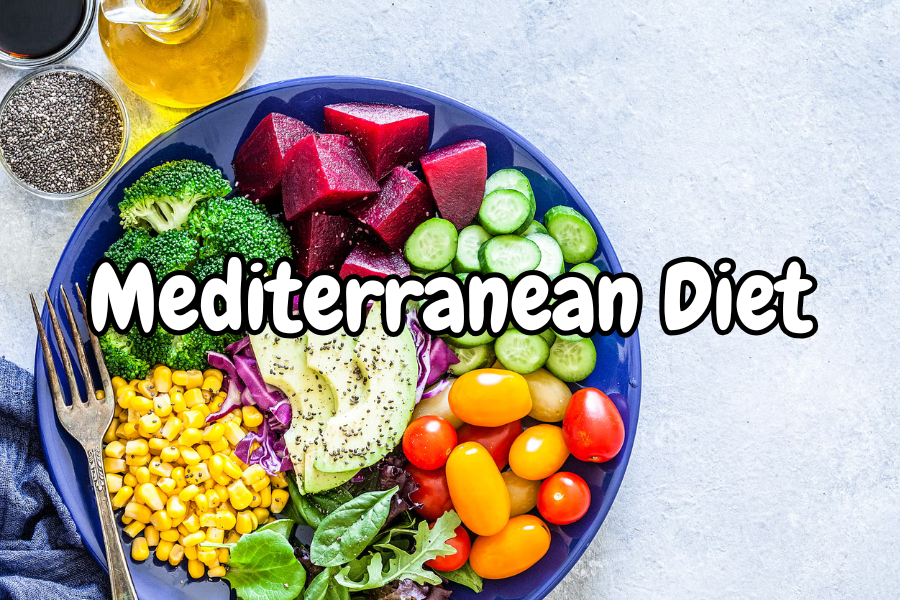
A Mediterranean diet can absolutely support weight loss, but not in the punishing, count-every-calorie way you might be used to. Mediterranean diet recipes focus on real food, plenty of plants, and satisfying healthy fats, which helps you feel full and nourished while you gradually lose weight and protect your long term health. Experts note that this way of eating is built around vegetables, fruits, whole grains, beans, nuts, and extra virgin olive oil, with fish and poultry as the main animal proteins and just a little dairy (Cleveland Clinic, The Mediterranean Dish).
Instead of asking what you have to give up, it is more helpful to ask how you can start adding Mediterranean flavors and habits into the meals you already eat. The ideas below walk you through how the diet supports weight loss, then give you simple Mediterranean diet recipes and meal ideas you can use right away.
Understand how the Mediterranean diet supports weight loss
You do not lose weight on the Mediterranean diet because of one magic ingredient. You lose weight because this way of eating naturally nudges you toward fewer ultra processed foods, more fiber, and better fats.
Mediterranean diet recipes center your plate around vegetables, whole grains, legumes, and nuts. These foods are high in fiber and volume, so they keep you full on fewer calories and help stabilize blood sugar, which can reduce energy crashes and cravings (EatingWell).
You also swap saturated fats for heart healthy fats. Extra virgin olive oil is the main fat in Mediterranean cooking and it is linked with better heart, brain, and anti inflammatory benefits because of its unsaturated fats and antioxidants (Cleveland Clinic). That combination of fiber and healthy fat helps you feel satisfied so you are less tempted to over snack later.
Finally, Mediterranean diet recipes are usually rich in flavor. Herbs, citrus, garlic, and spices make simple ingredients feel special. When your food tastes good and you do not feel deprived, it is easier to stick with a healthy pattern long enough to see results.
Stock a Mediterranean style kitchen
Before you get lost in individual recipes, it helps to set up a basic Mediterranean pantry. This lets you throw together quick, weight loss friendly meals without a long grocery list.
Aim to keep these building blocks on hand:
- Vegetables: leafy greens, tomatoes, cucumbers, peppers, zucchini, onions
- Fruits: berries, citrus, apples, grapes
- Whole grains: oats, brown rice, quinoa, whole wheat pasta, whole grain bread
- Legumes: chickpeas, lentils, white beans, black beans
- Healthy fats: extra virgin olive oil, olives, nuts, seeds
- Lean proteins: canned tuna or salmon, fresh or frozen fish, chicken breasts or thighs, eggs
- Flavor boosters: garlic, onions, fresh or dried herbs, spices, vinegar, lemon
Mediterranean kitchens rely on simple, widely available ingredients like these rather than specialty items, which makes meal planning and cooking much easier (The Mediterranean Dish).
Build a Mediterranean plate for weight loss
Once your kitchen is stocked, you can think about how to assemble a Mediterranean style meal that supports weight loss. Instead of strict measurements, use your plate as your guide.
For most lunches and dinners, you can:
- Fill about half your plate with vegetables, cooked or raw
- Use one quarter of the plate for lean protein like fish, chicken, beans, or lentils
- Use the last quarter for whole grains or starchy vegetables
- Add a small, visible drizzle of extra virgin olive oil or a sprinkle of nuts or seeds for healthy fat
This balance reflects typical Mediterranean diet recipes that emphasize produce, legumes, whole grains, and lean proteins, all of which can support cardiovascular health and make it easier to maintain a healthy weight (EatingWell).
If you prefer, you can picture this as a big salad bowl, a grain bowl, or a sheet pan dinner. The proportions stay the same, only the format changes.
Try simple Mediterranean breakfasts
Breakfast sets the tone for the rest of your day. A Mediterranean style breakfast is usually rich in fiber and either protein or healthy fat, which makes it much easier to walk past the pastry box at 10 a.m.
You might try:
- Greek yogurt bowl: Top plain Greek yogurt with berries, a spoonful of chia seeds, a drizzle of extra virgin olive oil or a few chopped nuts, and a little fruit for sweetness. Mediterranean inspired breakfast recipes like berry chia pudding and fig and ricotta overnight oats use similar combinations of omega 3 rich seeds, fiber, and nutrient dense ingredients (EatingWell).
- Hummus toast: Spread whole grain toast with hummus and add sliced tomato or cucumber and a sprinkle of seeds.
- Vegetable eggs: Bake or sauté eggs with chopped vegetables and a little feta, similar to sheet pan eggs and veggie recipes or classic shakshuka, which cooks eggs in a spiced tomato and pepper sauce (The Mediterranean Dish, The Mediterranean Dish).
If mornings are busy, prep a batch of overnight oats with chia seeds or cook hard boiled eggs ahead of time so you always have a protein option ready.
Choose satisfying Mediterranean lunches
For weight loss, the biggest lunchtime mistake is a meal that leaves you hungry by mid afternoon. Mediterranean diet recipes for lunch often combine hearty vegetables, legumes, and grains so that each bite is filling without feeling heavy.
You can build easy lunches like:
- Chickpea and quinoa bowls: Toss cooked quinoa with canned chickpeas, chopped vegetables, and a simple olive oil and lemon dressing. Lunch bowls like chickpea and quinoa with roasted red pepper sauce show how legumes and whole grains fit perfectly into the Mediterranean pattern (EatingWell).
- Big Mediterranean salads: Start with leafy greens, add tomatoes, cucumbers, olives, red onion, a handful of beans, and a sprinkle of feta. Dress with extra virgin olive oil and vinegar instead of creamy dressings.
- Leftover grain and bean bowls: Combine last night’s roasted vegetables with a scoop of brown rice or orzo, some white beans or lentils, and herbs.
If you pack lunch for work, choose containers with separate sections so you can combine vegetables, grains, and proteins in different ways throughout the week instead of eating the same dish every day.
Focus on quick, balanced dinners
You do not need complicated recipes to eat a Mediterranean diet at night. Many Mediterranean diet dinners are ready in about 30 minutes and still give you vegetables, lean protein, and whole grains in a single pan or pot.
Here are a few patterns you can follow:
One pan chicken and vegetables
Try something close to sheet pan chicken thighs with Brussels sprouts and gnocchi. You season chicken and vegetables with olive oil, garlic, herbs, and a splash of vinegar, then roast everything on one pan for a simple but flavorful meal (EatingWell). To make this even more weight loss friendly, you can increase the portion of vegetables and slightly reduce the starch.
You can repeat this idea with asparagus, cherry tomatoes, onions, or zucchini. The method stays the same, only the vegetables and herbs change.
Fish two to three times a week
Fish and seafood are a central part of Mediterranean diet recipes and are often paired with lots of vegetables and olive oil rather than heavy sauces (Allrecipes, The Mediterranean Dish). For example:
- Baked cod with lemon and garlic baked over sliced vegetables
- Salmon roasted on a sheet pan with broccoli, tossed with olive oil, lemon, and garlic, similar to sheet pan salmon and broccoli recipes (EatingWell)
- Shrimp quickly sautéed in olive oil with garlic and herbs, served over a bed of vegetables or a small portion of whole grain pasta (The Mediterranean Dish)
These dinners cook quickly, which reduces the temptation to order takeout that may be higher in calories and lower in fiber.
One pot grain and bean dishes
Mediterranean diet recipes often pair whole grains with legumes for a protein rich, very filling meal. Dishes like one pot white bean, spinach, and sun dried tomato orzo show how you can simmer orzo, beans, and vegetables together for a creamy, satisfying bowl that still fits a weight loss friendly pattern (EatingWell).
To keep portions in check, you can serve a smaller bowl of these pasta or grain dishes alongside a large side salad dressed in olive oil and lemon.
If you feel overwhelmed, start with a simple rule at dinner: half vegetables, one quarter protein, one quarter whole grain or starchy vegetable, and a drizzle of extra virgin olive oil.
Make Mediterranean friendly snacks and treats
Weight loss does not require you to give up snacks entirely. The key is to choose options that keep you full and align with Mediterranean ingredients.
You might like:
- Sliced vegetables with hummus or a small portion of nuts
- A piece of fruit with a few almonds or walnuts
- Whole grain toast with labneh or ricotta and sliced tomato
- A small bowl of Greek yogurt with cinnamon and fruit
Mediterranean communities often treat dessert as something to enjoy in moderation rather than a nightly requirement. You can follow the same pattern, save sweets for special occasions, and focus on fruit most days.
Adapt Mediterranean recipes to your needs
One of the strengths of Mediterranean diet recipes is how flexible they are. You can adjust them for vegetarian, gluten free, or other dietary needs without losing the core benefits.
Guidance from health experts notes that you can remove meat and fish and rely on plant based proteins like beans, nuts, and seeds to keep a Mediterranean eating pattern vegetarian, and you can swap wheat products for gluten free whole grains if you need to avoid gluten (Cleveland Clinic). If you have medical conditions or allergies, it is always best to talk with your doctor or a dietitian for personalized advice.
Within that framework, you can still enjoy a wide range of Mediterranean recipes, from vegetable soups and salads to bean based stews and grain bowls. The focus stays on variety, color, and flavor.
Turn recipes into a simple weekly plan
To see weight loss results, consistency matters more than perfection. A basic Mediterranean style week might look like this:
- Breakfasts built around yogurt, oats, or eggs with vegetables and fruit
- Lunches built around beans, lentils, or leftover fish or chicken, always with vegetables
- Dinners that rotate between fish, chicken, and vegetarian grain and bean dishes
- Snacks that feature fruit, vegetables, nuts, or yogurt
Resources like 7 day and month long Mediterranean meal plans show how you can mix and match recipes to create variety while still following the same principles each day (The Mediterranean Dish, EatingWell).
You do not need to copy any plan exactly. Instead, use them as a template and plug in Mediterranean diet recipes that fit your tastes, schedule, and budget.
Start with one small change
You do not have to transform your entire way of eating overnight. To get the benefits of Mediterranean diet recipes for weight loss, you can start with one or two changes and build from there.
For example, you could decide that this week you will:
- Cook one fish based dinner
- Replace one takeout lunch with a chickpea and vegetable salad
- Switch to extra virgin olive oil as your main cooking fat
Once those feel normal, you can add a new habit, such as eating a vegetable at every meal or trying a new legume based recipe. Over time, these small steps add up to a lifestyle that supports both your weight and your long term health.