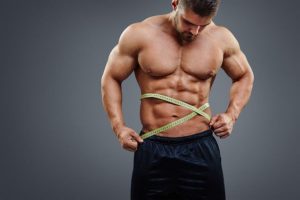
A lot of weight loss methods focus on the number on the scale and ignore something just as important: your muscle. Fat loss peptides are often marketed as a way to burn fat while holding on to lean tissue, but how much of that is science and how much is hype?
Below, you will see how fat loss peptides work, what research suggests about preserving muscle, and what realistic expectations look like if you are thinking about using them for body recomposition.
What fat loss peptides actually are
Peptides are short chains of amino acids that your body already uses as signaling molecules. They help regulate hormone release, tissue repair, and cell growth. Some synthetic versions are designed to influence body composition by encouraging your body to use stored fat for energy while supporting modest muscle gain.
Fat loss peptides typically fall into a few categories:
- Growth hormone secretagogues (GHS), which tell your pituitary gland to release more growth hormone.
- Growth hormone releasing peptides (GHRPs) and growth hormone releasing hormone (GHRH) agonists, which are subtypes of GHS.
- Modified peptide fragments that target fat breakdown, such as AOD‑9604.
Growth hormone secretagogues, including GHRPs and GHRH agonists, are popular for bodybuilding and aesthetics because they can increase natural human growth hormone and insulin‑like growth factor 1 (IGF‑1), which are both involved in muscle growth and fat metabolism (Transparent Labs).
How fat loss peptides help burn fat
You can think of most fat loss peptides as “signal amplifiers.” Instead of forcing your body into an unnatural state, they usually try to nudge existing pathways to work a little harder.
Growth hormone and fat burning
Growth hormone plays a central role in fat loss. It triggers lipolysis, which is the breakdown of stored fat into fatty acids that your body can burn for fuel. According to research summaries, human growth hormone primarily promotes fat loss by releasing fatty acids from adipose tissue and helps preserve lean body mass through anti‑catabolic effects on skeletal muscle, while IGF‑1 takes care of the more direct muscle building side through protein synthesis (Transparent Labs).
Fat loss peptides that increase growth hormone, such as CJC‑1295 or Ipamorelin, are often used:
- About 30 minutes before cardio to take advantage of growth hormone’s fat‑burning effect
- Over weeks or months alongside a calorie deficit and regular exercise
In one Australian clinical trial, the peptide AOD‑9604, a synthetic analog of human growth hormone specifically designed to support fat loss, helped obese participants lose an average of 2.8 kilograms of fat in 12 weeks at a 1 mg daily dose, outperforming placebo and some prescription weight loss medications without typical obesity drug side effects (Pliability).
Do fat loss peptides preserve muscle?
The big question is whether fat loss peptides truly let you cut fat while keeping your hard‑earned muscle. The answer is: they can help, but they are not magic, and everything still depends heavily on your training, diet, and recovery.
Why peptides are often considered “muscle friendly”
Several mechanisms suggest fat loss peptides may support muscle preservation:
- Growth hormone has anti‑catabolic effects, which means it helps reduce the breakdown of muscle tissue.
- IGF‑1, which often rises with growth hormone secretagogues, stimulates protein synthesis and muscle cell growth.
- Some peptide protocols are specifically designed to support muscle repair and faster recovery, allowing you to train harder and more consistently.
For example, peptide therapy is described as a way to stimulate natural growth hormone release and support modest lean muscle gain with fewer side effects than steroids (Syra Aesthetics). Tucson Wellness MD notes that growth hormone releasing peptides increase IGF‑1 levels, which promotes cell growth, muscle repair, and fat metabolism so you can build muscle while lowering body fat (Tucson Wellness MD).
When you create a calorie deficit for fat loss, your body is more likely to tap into both fat and muscle as energy sources. Peptides that favor fat mobilization and improve recovery can tilt that balance toward fat, which helps preserve muscle, provided you keep lifting and eating enough protein.
What the research actually shows
Human research on fat loss peptides and muscle preservation is still limited, especially in well‑trained lifters:
- Healthline notes that some peptide studies show increases in muscle strength and mass after 8 to 12 weeks of supplementation combined with resistance training, but robust trials in experienced bodybuilders are lacking (Healthline).
- No scientific studies have specifically looked at growth hormone secretagogues in highly trained bodybuilders and how they affect particular muscle groups or specific workouts (Healthline).
So, while the mechanisms are promising and early results are encouraging, you should see these compounds as supportive tools rather than guaranteed muscle‑saving shortcuts.
In practice, peptides are most effective at preserving muscle when you already have the key foundations in place: resistance training, sufficient protein intake, and a moderate calorie deficit instead of an extreme crash diet.
Common fat loss peptides used for body recomposition
Several peptides tend to appear together in body recomposition conversations. Each one targets a slightly different angle of the fat loss and muscle preservation equation.
CJC‑1295 and Ipamorelin
CJC‑1295 is a GHRH agonist and Ipamorelin is a GHRP. When you combine them, they can work synergistically to increase growth hormone levels by two to ten times according to clinical summaries, which may lead to enhanced muscle growth, increased strength, better recovery, improved fat burning, and deeper restorative sleep (stemcellmia.com).
Peptide guides refer to a typical stack that doses CJC‑1295 and a GHRP like Ipamorelin at around 1 microgram per kilogram of body weight for each peptide, mimicking the body’s natural pulses of growth hormone (Transparent Labs).
AOD‑9604 for targeted fat loss
AOD‑9604 is designed purely for fat loss. In the Australian trial mentioned earlier, people taking it experienced steady fat reduction with a good safety profile compared to conventional obesity drugs (Pliability). It does not have the same broad growth hormone effects, so it is more focused on breaking down stored fat rather than building muscle directly.
MK‑677 (Ibutamoren)
MK‑677 is an orally active growth hormone secretagogue. In a 6‑month study with healthy men aged 50 to 70, MK‑677 improved lower body muscle strength and supported muscle growth and fat metabolism (Pliability). It is sometimes used in anti‑aging and recomposition programs because it can help maintain or increase muscle while supporting fat loss, especially when combined with resistance training.
IGF‑1 LR3
IGF‑1 LR3 is a modified form of insulin‑like growth factor 1 with a long half‑life of 20 to 30 hours. It directly stimulates muscle tissue, increases muscle cell number, and boosts protein synthesis, which can result in significant muscle growth and strength gains when you pair it with appropriate training and nutrition (stemcellmia.com). For fat loss phases, the idea is that more IGF‑1 helps you hold onto muscle even when calories are lower.
How peptides compare to steroids for muscle preservation
If you are familiar with anabolic steroids, you might wonder how fat loss peptides stack up in terms of preserving muscle.
Steroids act by directly altering gene expression. They usually deliver rapid muscle growth and strength gains within 1 to 3 weeks, even in a calorie deficit, but they also carry a high risk of hormonal suppression and organ stress, particularly on the liver and heart (Syra Aesthetics).
Peptides, on the other hand:
- Work with your body’s existing hormone systems instead of overriding them.
- Take longer, around 3 to 12 weeks, for noticeable effects.
- Tend to have milder side effects such as temporary bloating, joint stiffness, or injection site redness, and usually do not shut down natural hormone production in the same way steroids do (Syra Aesthetics).
Tucson Wellness MD describes peptides as a safer, more tailored option for improving lean muscle mass and fat loss, especially if your goal is steady and sustainable body recomposition with health in mind instead of extreme, fast changes (Tucson Wellness MD).
Some people combine peptides with steroids during or after a steroid cycle to support recovery and joint health and to help restore natural hormone levels. This kind of stacking is complex and should only be done under close medical supervision because of the risks involved (Syra Aesthetics).
Safety, side effects, and legal concerns
Before you think about using fat loss peptides, it is important to understand the safety picture.
Healthline points out that the safety of growth hormone secretagogues for bodybuilding is not well established due to limited and mostly short‑term human studies. Reported side effects can include joint pain, water retention, and decreased insulin sensitivity, and these compounds are banned by the World Anti‑Doping Agency in professional sports (Healthline).
Medical aesthetics clinics tend to describe fat loss peptides as generally safe when used under medical supervision, with side effects usually limited to mild redness or swelling at the injection site, headaches, or digestive discomfort that resolves on its own (MD Esthetics).
Because many peptides are sold online in research‑grade or unregulated forms, you also face quality and contamination risks if you are not working through a licensed prescriber. Legal status can vary by region, and for competitive athletes, many of these compounds are prohibited.
Getting the most out of fat loss peptides and muscle preservation
If you choose to explore fat loss peptides, you will get the best chance of preserving muscle by building your plan around the fundamentals.
Focus on:
- Progressive resistance training at least 2 to 3 times per week, hitting all major muscle groups.
- Adequate protein intake so your body has the raw materials for muscle repair.
- A moderate calorie deficit that promotes steady fat loss without forcing your body to break down large amounts of muscle for fuel.
- Consistent sleep and stress management to support natural growth hormone production.
Peptide therapy can then layer on top of this foundation to enhance fat breakdown, support recovery, and help you keep more of your lean mass as you cut. Clinics that specialize in peptide therapy note that noticeable body composition changes often start within a few weeks, with more complete results appearing over several months when you combine peptides with healthy eating and regular exercise (MD Esthetics).
If you are considering peptides, talk with a knowledgeable healthcare provider who can review your health history, explain which options, if any, make sense for you, and help you weigh the benefits against the risks and legal implications. That way you are not just chasing quick fixes, you are making informed choices that support both fat loss and long‑term muscle health.