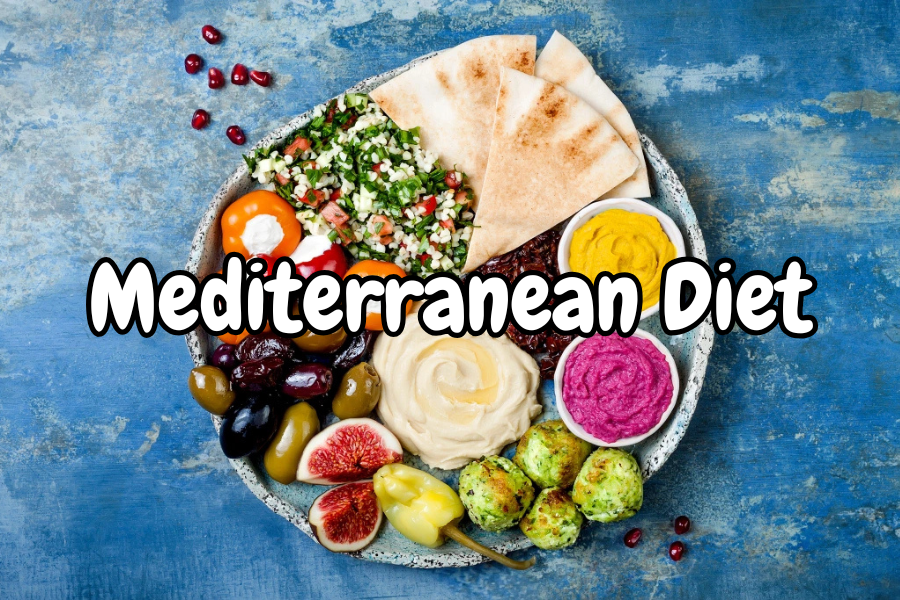
A Mediterranean diet for beginners is less about strict rules and more about shifting what is on your plate most days of the week. You focus on vegetables, fruits, whole grains, beans, nuts, olive oil, and seafood, and you cut back on processed foods, red meat, and sweets. This simple pattern is linked to better heart health, more stable blood sugar, and even protection for your brain over time (Healthline, Harvard Health Publishing).
Instead of counting calories or tracking every gram of protein, you build meals from whole, satisfying foods. If you are looking to lose weight or improve your overall health without feeling deprived, this way of eating can be a realistic and enjoyable place to start.
Understand the basics of the Mediterranean diet
The Mediterranean diet is based on traditional eating patterns in countries that border the Mediterranean Sea, such as Greece, Italy, Spain, and parts of France. It highlights minimally processed foods and healthy fats while keeping highly processed items to a minimum (Healthline).
In practice, that means your everyday meals center around:
- Vegetables and fruits
- Whole grains such as oats, brown rice, and whole wheat
- Beans and lentils
- Nuts and seeds
- Extra virgin olive oil as your main added fat
- Fish and seafood regularly, with some poultry, eggs, and fermented dairy
- Only small amounts of red meat, added sugar, and refined carbs (EatingWell)
You are not required to track calories or macros unless you are managing a specific condition like diabetes. Moderation is still important, but the emphasis is on food quality, not constant measuring (Healthline).
Know the main health benefits
You might be drawn to the Mediterranean diet for weight loss, but its benefits go much further. Because it relies on fiber-rich plant foods and healthy fats, it supports several areas of health at once.
Research has linked this eating pattern to a lower risk of:
- Heart disease and coronary artery disease
- Metabolic syndrome and type 2 diabetes
- Certain cancers
- Depression
- Frailty in older adults, along with better physical and mental function (Harvard Health Publishing, UC Davis Health)
Its balance of anti-inflammatory foods, antioxidants, and unsaturated fats helps protect your heart, support brain health, and keep your blood sugar more stable (Healthline, EatingWell).
Weight loss can happen naturally on this diet because the foods you eat most are filling and nutrient dense. You tend to feel satisfied on fewer calories, especially when you build meals around vegetables, lean proteins, and whole grains (UC Davis Health).
Focus on what to eat more often
Instead of thinking about what you need to cut out, it is easier to start the Mediterranean diet by crowding your plate with more of the good stuff.
Plant foods as the foundation
Vegetables and fruits are at the core of this way of eating. Aim to add them to every meal in some form. Examples include:
- Leafy greens like chard, spinach, and arugula
- Cruciferous vegetables such as broccoli and cauliflower
- Colorful vegetables like peppers, tomatoes, eggplant, and carrots
- Fruits such as grapes, berries, citrus, and apples (Healthline, UC Davis Health)
Whole grains such as brown rice, quinoa, whole wheat pasta, oats, and buckwheat supply steady energy and extra fiber. Beans and lentils fill in as both a carbohydrate and protein source, which can help you feel full longer (EatingWell).
Healthy fats as everyday staples
Extra virgin olive oil is the signature fat in the Mediterranean diet. It replaces butter and other solid fats in cooking and dressings. Cleveland Clinic notes that extra virgin olive oil has a healthier ratio of unsaturated to saturated fats and is rich in antioxidants that protect your heart and brain while helping to lower inflammation (Cleveland Clinic).
You can also rely on:
- Nuts such as almonds, walnuts, and pistachios
- Seeds like sunflower or pumpkin seeds
- Avocado and olives
These foods are calorie dense, so you still want to pay attention to portion size, especially if weight loss is a goal. A small handful of nuts or a drizzle of olive oil can go a long way for flavor and satisfaction.
Lean proteins for balance
Seafood is a key protein in this diet. Aim for fish such as salmon, sardines, trout, or cod at least twice a week. You can round out your protein with:
- Poultry in moderate amounts
- Eggs a few times per week
- Fermented dairy like yogurt and kefir
- Beans and lentils as plant based protein sources (Healthline, EatingWell)
Eggs are considered fine in moderation, often around 2 to 4 servings per week, and small servings of red wine with meals can fit the pattern for some people, although alcohol is always optional (Healthline).
In the Mediterranean diet, you do not cut out entire food groups. You simply let plant foods, healthy fats, and lean proteins take the lead while limiting highly processed choices.
Limit foods that work against your goals
To get the full benefits of the Mediterranean diet for beginners, it helps to clearly see which foods you are trying to move away from.
You will want to limit:
- Red meat such as beef, pork, and lamb
- Processed meats like sausage, deli meats, and bacon
- Refined grains such as white bread, white pasta, and many packaged baked goods
- Foods and drinks high in added sugars
- Highly processed snacks that are rich in unhealthy fats, sodium, or both (Healthline, UC Davis Health)
You do not have to remove these foods forever. Think of them as occasional extras instead of everyday staples.
Adapt the diet to your lifestyle
One reason the Mediterranean diet works well for beginners is that it is flexible. You can adjust it for different preferences and needs.
Cleveland Clinic notes that this way of eating can easily be made vegetarian or gluten free. If you do not eat meat, you can get protein from nuts, beans, lentils, and dairy. If you need to avoid gluten, you can swap gluten containing grains like wheat for gluten free options such as quinoa, brown rice, or certified gluten free oats (Cleveland Clinic).
You are also encouraged to enjoy food socially and cook more at home. Sharing meals with family or friends and moving your body regularly, even with simple activities like walking, are part of the overall Mediterranean lifestyle (Harvard Health Publishing, EatingWell).
Because everyone has different health conditions and preferences, it is a good idea to talk with your primary care provider or a registered dietitian before you make major changes. They can help you tailor a Mediterranean style plan to your medical history and nutrient needs (Cleveland Clinic).
Start small with beginner friendly steps
Jumping straight into a perfect Mediterranean diet is not necessary and usually not realistic. A slower approach makes it easier to stick with the changes.
Harvard Health and UC Davis Health both recommend making small weekly adjustments and building from there. You might begin with just one or two of these ideas (Harvard Health Publishing, UC Davis Health):
- Swap butter for extra virgin olive oil when you cook or dress salads.
- Add one extra serving of vegetables to lunch or dinner each day.
- Replace a processed snack, such as chips, with a handful of nuts and a piece of fruit.
- Choose whole grain bread or brown rice instead of white versions a few times a week.
- Plan one fish based dinner this week, like salmon with roasted vegetables.
- Schedule at least one sit down meal with family or friends and eat without screens.
Over time, you can expand to a more structured plan, such as a 7 day Mediterranean style meal schedule. For beginners, simple and repeatable meals with short ingredient lists, similar to the approach highlighted by EatingWell, keep things manageable and help you stay consistent (EatingWell).
Use a simple meal framework
You do not need complicated recipes to eat this way. A basic formula keeps your plates balanced and supports weight and health goals.
For most lunches and dinners, aim for:
- Half your plate non starchy vegetables
- One quarter of your plate whole grains or starchy vegetables
- One quarter of your plate lean protein
- A small amount of healthy fat, such as olive oil, nuts, or avocado
For example, a Mediterranean style dinner could be:
- Grilled salmon
- A large side of roasted broccoli and carrots
- A scoop of quinoa
- A drizzle of extra virgin olive oil and lemon over everything
Breakfast might be a bowl of plain yogurt topped with berries, a sprinkle of nuts or seeds, and a little honey, plus a small slice of whole grain toast with olive oil.
If you prefer to track calories, you can still do that within this pattern. Many Mediterranean diet meal plans, such as the one from EatingWell, offer options in the 1,200 to 1,400 calorie range and show you how to increase to 1,500 or 2,000 calories by adding items like whole wheat English muffins, nut butters, and extra fruit (EatingWell).
Turn the diet into a sustainable lifestyle
To keep your Mediterranean diet for beginners going long term, focus on enjoyment and routine rather than perfection.
A few helpful habits include:
- Cooking at home more often so you control ingredients and portions
- Keeping core foods on hand, such as canned beans, frozen vegetables, whole grains, and olive oil
- Walking regularly or adding other movement you enjoy
- Treating meals as a time to unwind and connect with others when possible (Harvard Health Publishing, EatingWell)
If you get bored, work with a dietitian or explore new recipes that still follow the same principles. Cleveland Clinic notes that planning for variety up front can help you avoid falling into a rut or drifting back to old habits (Cleveland Clinic).
You do not need to overhaul every meal at once. Start with one change this week, such as using olive oil in place of butter or adding vegetables to your usual dinner. As those small steps add up, you will be living a Mediterranean lifestyle that supports better health, steady energy, and, if you want it, gradual weight loss.