A paleo diet can sound simple at first glance. You eat more of the foods your hunter‑gatherer ancestors ate, such as vegetables, fruits, meat, fish, nuts, and seeds, and you skip grains, legumes, dairy, and most processed foods. Before you clear your pantry, it helps to understand what this approach really looks like in everyday life, how it might affect your health, and where the potential downsides lie.
Below, you will find what you should know before trying the paleo diet so you can decide whether it fits your goals, lifestyle, and budget.
Understand what the paleo diet actually is
At its core, the paleo diet is built around the idea of eating closer to how humans ate before agriculture. That means focusing on whole, minimally processed foods and excluding anything that would not have been available to early hunter‑gatherers.
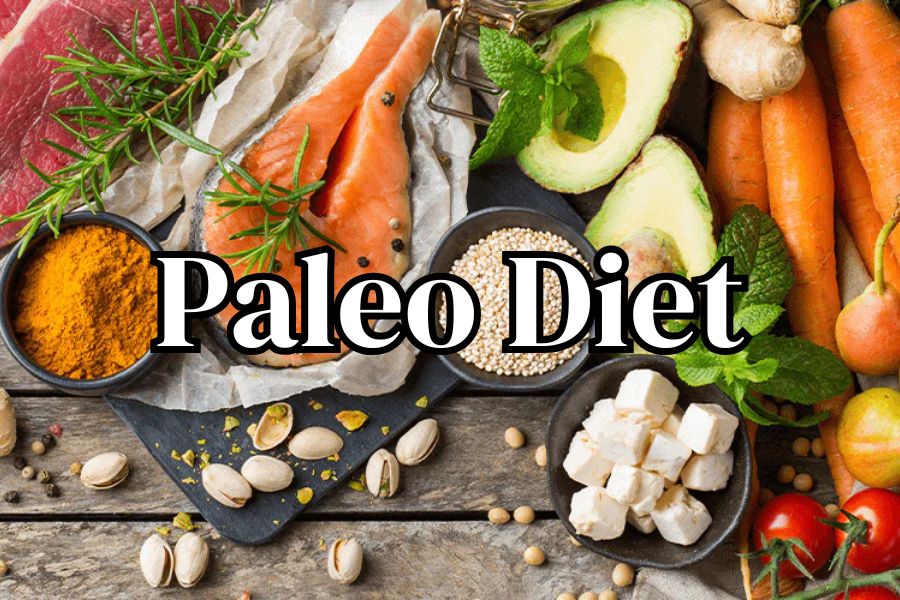
According to the Mayo Clinic, a typical paleo eating plan includes fruits, vegetables, lean meats, fish, eggs, nuts, and seeds, and it excludes grains, legumes, and dairy that arrived with farming about 10,000 years ago (Mayo Clinic).
In practice, that usually looks like:
- Plenty of non‑starchy vegetables
- Moderate amounts of fruits
- Meat, poultry, and eggs, ideally unprocessed
- Fish and seafood
- Nuts and seeds
- Natural fats from foods like avocado, olives, and nuts
What you skip is just as important. The paleo diet generally avoids:
- All grains, including wheat, oats, rice, corn, and quinoa
- Legumes such as beans, lentils, soy, and peanuts
- Dairy products, especially milk and cheese
- Refined sugar and most sweetened foods
- Highly processed foods and many refined vegetable oils
Some modern versions are more flexible. For example, The Paleo Diet organization notes that you can eat between 50 and 85 percent paleo foods and still see benefits, and there is no requirement to track calories or specific macronutrient ratios (The Paleo Diet).
Know the potential health benefits
If you are thinking about the paleo diet for weight loss or general health, there is some evidence that it can help in the short to medium term.
Possible weight loss and body changes
Several small studies suggest that people often lose weight when they switch to a paleo pattern. A meta‑analysis of 21 randomized controlled trials found that participants on a Paleolithic diet lost an average of 5.8 kilograms in short‑term studies, compared with 3.9 kilograms on control diets (PMC, MDPI). Another study in postmenopausal women reported about 9 percent weight loss at six months and 10.6 percent at 12 months (Healthline).
Part of this effect likely comes from:
- Cutting out ultra‑processed foods and refined sugar
- Eating more protein, which keeps you fuller longer
- Filling your plate with vegetables that are high in volume and low in calories
You do not have to count calories on paleo, and advocates say that focusing on nutrient‑dense foods naturally regulates your intake (The Paleo Diet). That can feel more sustainable than constantly tracking numbers, especially if you prefer simpler rules.
Blood sugar, cholesterol, and blood pressure
Research suggests that a paleo diet may improve several key markers linked to metabolic health. Clinical studies summarized in an NCBI review found that paleo eating can reduce waist circumference, triglycerides, blood pressure, fasting glucose, and improve insulin sensitivity and lipid profiles, although the evidence is not as strong as for patterns like the Mediterranean or DASH diets (NCBI Bookshelf).
The same meta‑analysis mentioned earlier also found that, over longer periods, a Paleolithic diet lowered total cholesterol and LDL cholesterol more effectively than control diets (PMC, MDPI). It also improved fasting glucose, insulin levels, and glycated hemoglobin in the short term, with some benefits maintained over time.
These changes likely come from:
- Eating more fruits and vegetables
- Reducing refined carbohydrates and added sugars
- Including healthy fats from fish, nuts, and seeds
- Losing excess weight, which often improves these markers on its own
Inflammation and overall well‑being
A key idea behind paleo is that moving away from highly processed foods and toward whole foods may reduce chronic inflammation. EatingWell notes that this style of eating is intended to reduce inflammation, improve blood lipids, stabilize blood sugar, and lower the risk of chronic diseases like heart disease and diabetes (EatingWell).
Many people also report feeling more energized and less bloated when they cut out refined sugar and heavily processed products. While that is not proof on its own, it can be an important part of your decision if you notice similar changes.
Be realistic about the limitations and risks
Even though the paleo diet has potential upsides, it is not perfect or universally recommended. Large medical organizations like the American Heart Association do not officially endorse it, in part because of concerns about nutritional balance and long‑term evidence (NCBI Bookshelf).
Possible nutrient gaps
Since strict paleo excludes grains, legumes, and dairy, you might miss out on nutrients that those foods typically provide. The Mayo Clinic highlights concerns about:
- Fiber from whole grains and legumes
- Plant‑based protein from beans and lentils
- Calcium and vitamin D from dairy products (Mayo Clinic)
An NCBI review also notes that skipping dairy can raise the risk of calcium and vitamin D deficiencies, and that a reduced intake of prebiotic fiber from grains and legumes may affect markers linked to cardiovascular disease, such as TMAO (NCBI Bookshelf).
You can cover many of these gaps with careful planning, but it does take extra attention. If you already have bone health issues, digestive conditions, or a history of disordered eating, you will want to talk with your healthcare provider before making big changes.
Cost, time, and practicality
The paleo diet is often heavier on fresh produce, meat, and seafood, and lighter on inexpensive staples such as rice, oats, and beans. The Mayo Clinic points out that paleo patterns can be costly and might limit access to essential nutrients for people on tighter budgets (Mayo Clinic).
NUNM also notes that paleo requires time, resources, and good access to fresh local products for food preparation, and that it can be nearly impossible to follow well if you are vegetarian or vegan, since legumes are excluded (NUNM).
You will likely be cooking more frequently, reading labels carefully, and planning meals ahead so you do not end up stuck and hungry.
Still not “proven best” long term
There are no large, long‑term clinical trials proving that paleo is superior to other balanced diets like the Mediterranean approach. The Mayo Clinic emphasizes that while short‑term studies are promising, similar cardiovascular benefits can be achieved with other healthy patterns that include whole grains, legumes, and low‑fat dairy (Mayo Clinic).
In other words, paleo can be one effective option, especially if it moves you away from ultra‑processed foods, but it is not the only path to better health.
If you already enjoy and tolerate foods like whole grains, beans, and yogurt, there is no clear evidence that you must give them up to improve your weight, cholesterol, or blood sugar.
Decide how strict you want to be
You do not have to adopt an all‑or‑nothing approach to benefit from paleo principles. In fact, many modern versions encourage flexibility.
The Paleo Diet organization describes a “PaleoFLEX” approach that allows occasional treats using ingredients like honey instead of refined sugar and almond flour instead of wheat (The Paleo Diet). Some people also include small amounts of grass‑fed, fermented dairy because of its potential benefits and lower lactose content (EatingWell).
A flexible paleo style might look like:
- Eating mostly paleo at home, then being more relaxed at social events
- Building your meals around vegetables and protein, even if you add a side of rice or beans
- Choosing minimally processed treats and enjoying them occasionally
This kind of middle ground is often easier to maintain, especially if your main goals are weight loss and better blood sugar or cholesterol, rather than strict adherence to historical eating patterns.
Plan your first steps before you start
If you decide to try the paleo diet, a little planning makes the transition smoother and less overwhelming.
Ease in with simple swaps
Instead of overhauling everything at once, you can start with one meal or one habit:
- Replace sugary breakfast cereal with eggs and sautéed vegetables
- Swap your usual dessert for fresh fruit and a handful of nuts
- Cook one paleo dinner each week, for example baked salmon, roasted vegetables, and a side salad
Gradual changes give you time to notice how your body responds and to figure out what you actually like, rather than pushing through a rigid plan you cannot stand.
Focus on plants, not just meat
Paleo is sometimes mistaken for a license to eat endless bacon and steak. In reality, most experts describe it as plant‑centered. NUNM stresses that the diet prioritizes a wide variety of non‑starchy vegetables and discourages the idea that it is all about unlimited meat (NUNM).
To keep your plate balanced, aim for:
- Half your plate from colorful vegetables
- A palm‑sized portion of protein such as chicken, fish, or tofu if your version includes soy
- Some healthy fat from olive oil, avocado, nuts, or seeds
- Fruit in moderation, especially if you are watching your blood sugar
Think through drinks and extras
You do not have to give up coffee unless you want to. The Paleo Diet organization notes that coffee can fit in moderation for most people, and if you drink alcohol, they suggest limited amounts of options such as sulfite‑free red wine or spirits rather than beer (The Paleo Diet).
If sweets are important to you, occasional treats made with natural sweeteners like honey and paleo‑friendly flours can help you avoid feeling deprived, especially at the beginning.
Know when to talk to a professional
Any significant diet change is worth discussing with your healthcare provider, especially if you:
- Take medication for diabetes, blood pressure, or cholesterol
- Have kidney disease, osteoporosis, or digestive conditions
- Are pregnant, breastfeeding, or planning pregnancy
- Have a history of disordered eating
A registered dietitian can help you build a paleo‑leaning plan that avoids nutrient gaps and respects your preferences. Given the concerns about calcium, vitamin D, and fiber, getting expert input is especially helpful if you plan to follow a stricter version for more than a few months.
Putting it all together
Before you try the paleo diet, it helps to zoom out and look at the big picture. You are moving toward more whole foods and away from ultra‑processed products, which can support weight loss, better blood sugar control, and improved cholesterol and blood pressure for many people. At the same time, strict paleo can be expensive, restrictive, and potentially low in certain nutrients if you are not careful.
If you like the idea of simpler, less processed eating and you enjoy vegetables, meat, fish, nuts, and fruit, a flexible paleo approach might be a useful tool. Start with one or two manageable changes, pay attention to how you feel, and do not hesitate to adjust or seek professional guidance so the diet works with your life instead of against it.