A well planned carnivore diet can feel energizing, but only if you cover your nutritional bases. The right carnivore diet supplements help you avoid common deficiencies, reduce fatigue, and stay consistent with your goals.
Below, you will learn why supplements matter on an all animal diet, which ones are worth your money, and how to build a simple, sustainable routine that supports stronger daily energy.
Understand where the carnivore diet falls short
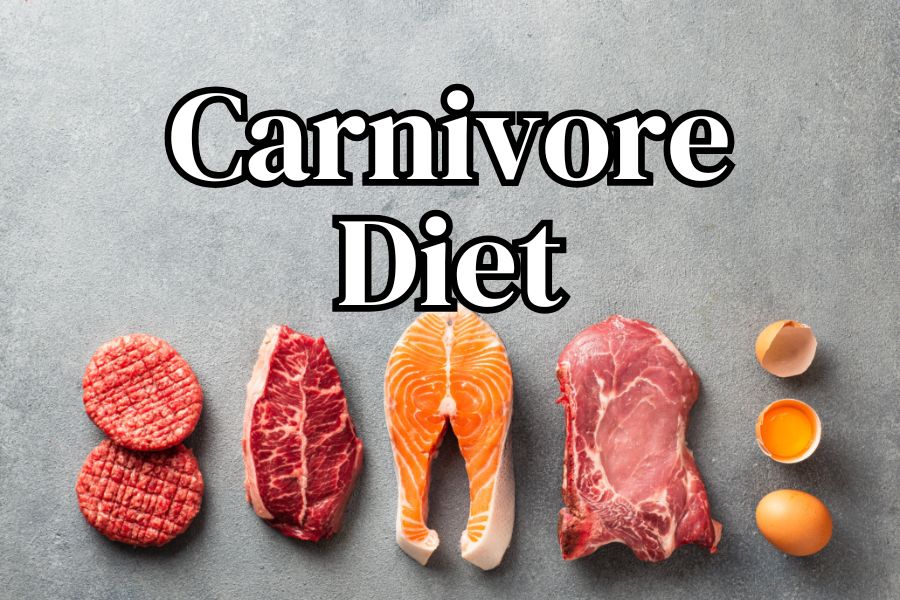
The carnivore diet focuses on meat, fish, eggs, and sometimes dairy. This gives you plenty of protein, B12, iron, and zinc, but it also removes entire food groups that normally provide vitamins, minerals, and fiber.
Recent research using hypothetical carnivore meal plans found that while key nutrients like riboflavin, niacin, vitamin B12, vitamin A, zinc, and selenium were adequate, others consistently fell below national nutrient reference values for adults, including thiamin, magnesium, calcium, vitamin C, iodine, and sometimes iron, folate, and potassium (PubMed, News-Medical). Fiber intake was also far below recommended levels, which is expected when you cut out plants (PubMed).
Those gaps do not automatically mean you must quit the diet. They do mean you need a plan. If you want steady energy, good workouts, and normal digestion, it is smarter to combine a structured carnivore approach with targeted supplementation than to rely on meat alone.
Prioritize energy supporting nutrients
When you think about carnivore diet supplements, focus first on what directly affects your daily energy, mood, and performance. Several nutrients stand out.
Vitamin C for fatigue resistance and recovery
On a strict carnivore diet, your vitamin C intake is extremely low because fruits and most vegetables are off the menu. Multiple experts note that animal foods alone do not provide the 70 to 90 milligrams per day recommended for adults, so vitamin C supplementation becomes important for immune support, collagen formation, and iron absorption (Country Life Vitamins, Country Life Vitamins).
Low vitamin C can leave you feeling tired and slow to recover from training or daily stress. A simple daily vitamin C supplement, taken with food, is usually enough to close this gap.
Magnesium for muscle relaxation and deeper sleep
Magnesium is central to more than 300 enzymatic reactions in your body. It supports energy production, nerve function, muscle relaxation, sleep quality, and regular bowel movements.
The challenge is that most rich magnesium sources are plant based. Studies show that theoretical carnivore plans do not meet magnesium requirements (PubMed), and nutrition experts repeatedly highlight magnesium as a likely deficiency on this diet (Country Life Vitamins, Fastic).
Supplementing 310 to 420 milligrams of magnesium per day for adults can support better sleep, calmer muscles, and smoother digestion, all of which translate into steadier daytime energy (Country Life Vitamins).
Electrolytes to prevent “carnivore flu”
When you reduce carbohydrates, insulin levels drop and your kidneys excrete more water and minerals. You may feel lightheaded, weak, crampy, or “off” during the first weeks. This is not just low carbs, it is often low sodium, potassium, and magnesium.
Electrolyte supplements that provide these minerals in absorbable forms, like citrates or chelates, are strongly recommended for people on carnivore style diets (Carnivore Snax, Carnivore Snax). Aim for sugar free formulas so you get minerals without unnecessary carbs.
Potassium and magnesium are especially important because your intake from food tends to fall once you remove fruits, potatoes, and whole grains. Recommended adequate intakes are roughly 2600 milligrams per day for women and 3600 milligrams per day for men for potassium, and 310 to 420 milligrams per day for magnesium (Country Life Vitamins).
Vitamin D and K2 for long term resilience
Even if you eat plenty of egg yolks and fatty fish, vitamin D is mostly produced in your skin via sunlight, not food. Deficiency is common in all diets, and guidance often suggests 600 to 800 IU per day as a baseline for adults, especially in low sunlight regions (Country Life Vitamins, Country Life Vitamins).
Vitamin D influences hormone balance, immune function, and mood, so an ongoing shortage can absolutely drag down your energy. Pairing vitamin D with vitamin K2 helps direct calcium to bones and teeth instead of arteries, which is why many carnivore focused guides suggest a combined D3 + K2 supplement (Carnivore Snax, Carnivore Snax).
Support brain power and inflammation control
If you do not eat fatty fish several times a week, omega 3 supplements are one of the most energy friendly add ons you can choose.
Omega 3 fatty acids, especially EPA and DHA, are vital for brain health, mood balance, and inflammation control. On a meat heavy carnivore diet, it is easy to eat more omega 6 than omega 3, which can promote a proinflammatory environment. Fish oil or krill oil helps restore a more balanced ratio (Country Life Vitamins, Country Life Vitamins).
Guides aimed at carnivore eaters point out that krill oil contains phospholipids and astaxanthin, which may improve absorption and add antioxidant protection (Carnivore Snax, Carnivore Snax). If you are sensitive to fish burps, look for enteric coated capsules or triglyceride form oils and take them with your fattiest meal.
Over time, better omega 3 intake can mean clearer thinking, more stable mood, and less of the low grade inflammation that leaves you feeling achy and drained.
Protect digestion when fiber drops
One of the biggest shifts on the carnivore diet is the sudden removal of fiber. Some people feel better with less roughage, while others experience constipation, bloating, or discomfort, especially during the first month.
Digestive enzymes and sometimes probiotics can ease this transition. Nutrition experts recommend enzyme products such as betaine HCl or other protease blends to help break down high protein, high fat meals and reduce bloating or gas (Country Life Vitamins, Country Life Vitamins).
Some carnivore specific guides also suggest bone broth as a natural “supplement.” Slow simmered bone broth from grass fed, pasture raised animals provides minerals, collagen, amino acids, and electrolytes that may support gut, skin, and joint health, especially when made without added sugar or artificial flavors (Carnivore Snax).
When your digestion is smooth and predictable, you naturally feel lighter, more focused, and more willing to stick to your eating plan.
One simple way to tell if your supplement routine is working is to pay attention to your mornings. If you wake up less bloated, more rested, and without brain fog, you are probably moving in the right direction.
Use a multivitamin as a safety net
Even if you eat nose to tail with organ meats and dairy, it is hard to cover every nutrient target perfectly day after day. A well formulated multivitamin is not a replacement for food, but it can be a helpful backstop.
Several guides designed for carnivore or low plant diets recommend multivitamins that emphasize vitamin C, magnesium, electrolytes, vitamin D, and omega 3s, alongside general vitamins and trace minerals (Fastic, Uncle Gym).
Some products target men with extra support for heart, brain, immune, and bone health, while others are tailored for women and include iron, B12, omega fatty acids, and bone support, particularly during pregnancy, menstruation, menopause, or PCOS (Fastic). The specific brand you choose is less important than the principle: you want a broad, moderate dose formula to fill small gaps, not mega doses of everything.
Because nutrient needs vary with age, sex, activity level, and medical history, it is smart to talk with your healthcare provider before adding a multivitamin or changing doses of individual supplements (Fastic).
Build a simple supplement routine
To keep your carnivore diet sustainable, aim for a routine that is straightforward and easy to remember. You do not need a dozen bottles to feel better.
Here is one way to structure your day:
- Morning with your first meal: multivitamin, vitamin C, vitamin D3 + K2
- With your biggest meal: omega 3 supplement, digestive enzymes if needed
- Throughout the day: electrolyte drink or tablets that include sodium, potassium, and magnesium
- Evening: additional magnesium if your multivitamin is low, especially to support sleep
You can start with only one or two items, like electrolytes and magnesium, then layer in others as you notice how your body responds. Keep a short note on your phone for two weeks and track sleep quality, energy from 1 to 10, workout performance, and digestion. Small changes in your log will help you decide what is worth keeping.
Know when to adjust your supplements
Carnivore diet supplements are tools, not permanent requirements. You can dial them up or down based on your food choices and your lab work.
You might want to adjust your routine if:
- Your doctor finds low vitamin D, ferritin, or B12 on blood tests
- You switch from including dairy and organ meats to a stricter “muscle meat only” version
- You move to a low sunlight climate or change your work hours to nights
- You increase your training load and notice more fatigue or soreness
Recent research on theoretical carnivore diets suggests that including dairy products improves calcium intake, and including liver improves iron status, especially for women (News-Medical). If you are open to these foods, you may be able to reduce your reliance on certain supplements over time, especially calcium and iron, while still using vitamin C, magnesium, and electrolytes to keep energy high.
Key takeaways
- The carnivore diet is rich in protein and several vitamins, but tends to be low in vitamin C, magnesium, potassium, calcium, and fiber, which can impact your energy and long term health (PubMed, Carnivore Snax).
- Prioritize vitamin C, magnesium, and electrolytes to reduce fatigue, cramps, and “carnivore flu.”
- Add vitamin D3 with K2 and omega 3s to support hormone health, mood, and inflammation control.
- Consider digestive enzymes, probiotics, and bone broth to protect gut comfort as you adjust to low fiber eating.
- Use a multivitamin as a backup, especially if you skip dairy or organ meats, and revisit your plan with your healthcare provider as your lifestyle changes.
You do not have to choose between the benefits of a carnivore diet and feeling your best day to day. With a thoughtful supplement strategy, you can support stronger energy, clearer focus, and steadier progress toward your health and weight goals.