Peptides for fat loss are getting a lot of attention, especially as alternatives or companions to intense dieting and exercise. You might see names like semaglutide, tirzepatide, or “peptide therapy” in clinics and online ads and wonder what they actually do, how safe they are, and what kind of results you can realistically expect.
This guide walks you through how peptides for fat loss work, the main options available, the benefits and risks, and how to decide if they fit into your long term plan for a healthier weight.
What peptides for fat loss are
Peptides are short chains of amino acids. Your body uses them as signaling molecules that help regulate appetite, blood sugar, fat storage, and energy use. When used as medications or therapies, peptides for fat loss are designed to tap into those natural signaling pathways and tilt them in favor of lower appetite, better blood sugar control, and improved body composition.
Most prescription peptides for fat loss today belong to a group called GLP 1 receptor agonists. GLP 1 is a hormone your gut releases after you eat. It helps:
- Trigger insulin release
- Reduce glucagon, which normally raises blood sugar
- Slow how quickly your stomach empties
- Signal to your brain that you are full
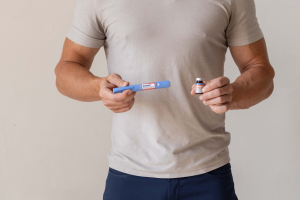
Drugs like semaglutide and liraglutide mimic GLP 1, and tirzepatide targets both GLP 1 and another hormone called GIP. These medications are taken by injection and require a prescription as of 2024, so you always need medical supervision if you use them for fat loss (Medical News Today).
Alongside these, there are other peptides being studied or used in clinics, including those that affect fat burning, gut health, and metabolism. Some have strong evidence and FDA approval, others are experimental or off label.
How peptides for fat loss work in your body
Even though different fat loss peptides work in slightly different ways, most of them target at least one of these key areas.
Appetite and fullness signals
GLP 1 agonists are the best known for their effect on appetite. By mimicking your natural GLP 1, drugs like semaglutide, liraglutide, and tirzepatide help you feel full sooner and stay full longer. That makes it easier to eat fewer calories without feeling constantly hungry.
Clinical trials show that people using these medications often reduce their overall food intake, which is the main driver of their fat loss results (Verywell Health).
Researchers are also identifying new appetite related peptides. For example, Stanford scientists discovered a naturally occurring peptide called BRP that suppresses appetite in animals by acting in a specific part of the brain called the hypothalamus. In mice and minipigs, a single injection before feeding reduced food intake by up to 50 percent and led to fat loss in obese mice, while untreated animals actually gained fat (Stanford Medicine). BRP is not available as a treatment for people, but it shows where science is heading.
Blood sugar and insulin control
Many fat loss peptides also improve blood sugar management. GLP 1 agonists help your body release insulin more effectively and reduce glucagon. Tirzepatide goes a step further by activating both GLP 1 and GIP receptors, which can produce even more powerful effects on blood sugar and weight (The Aesthetic Haus).
Better blood sugar control can mean fewer crashes, more stable energy, and less intense cravings. That indirectly supports fat loss because you are less likely to reach for quick, high sugar snacks.
Fat storage, fat burning, and energy use
Some peptides affect how your fat tissue behaves. Research shows that certain signaling molecules can encourage “browning” of white fat. Browning means your body shifts white fat cells, which mostly store energy, toward a more active, calorie burning state similar to brown fat. This increases energy expenditure and can support obesity treatment (PMC).
Classical peptides such as GLP 1, adrenomedullin 2 (AM2), leptin, and others play roles in:
- Regulating appetite and satiety
- Improving insulin sensitivity
- Influencing how your fat cells store or release energy
For example, AM2 has been shown in mice to increase oxygen use, carbon dioxide production, and the expression of UCP1, a protein involved in heat production, which all point to higher energy burn and improved glucose tolerance (PMC).
Other therapeutic peptides, like those used in some clinics, may aim to:
- Support lean muscle growth and recovery
- Improve metabolic flexibility
- Reduce inflammation that can interfere with weight regulation (MD Esthetics, Pulse & Remedy)
Main types of fat loss peptides you might encounter
You will most often run into two broad categories: FDA approved medications and non approved or off label peptide therapies.
FDA approved GLP 1 based medications
These are the best studied and most regulated options for peptides for fat loss.
-
Semaglutide
Marketed as Wegovy for weight management, semaglutide is a GLP 1 receptor agonist taken once weekly by injection. In a 2021 study of 1,961 people with overweight or obesity, those on semaglutide lost an average of 14.9 percent of their initial body weight over 68 weeks, while the placebo group lost 2.4 percent (Medical News Today).
Semaglutide is also widely available through telemedicine, and has both injectable and oral versions, which makes it one of the most accessible weight loss peptides (Innerbody). -
Liraglutide
Sold as Saxenda for chronic weight management, liraglutide is another GLP 1 receptor agonist. Meta analyses show that it significantly increases the number of people who achieve at least 5 or 10 percent weight loss compared to placebo (Medical News Today). -
Tirzepatide
Marketed as Zepbound for weight loss, tirzepatide is a dual GLP 1 and GIP receptor agonist. It has shown especially strong results. In a 2024 study of 670 adults with overweight or obesity, participants lost an average of 20.9 percent of their body weight after 36 weeks, with even greater loss at 52 weeks when treatment continued (Medical News Today).
Other research found that tirzepatide produced more weight loss than semaglutide in both diabetic and non diabetic groups (Innerbody).
As of April 2025, these three medications are the main FDA approved fat burning peptides for weight management (Lainey Younkin).
Non approved and off label peptide therapies
You may also see clinics and online providers offering other peptides like CJC 1295, ipamorelin, tesamorelin, AOD 9604, BPC 157, sermorelin, MOTS c, or HCG as part of “peptide therapy” for fat loss.
The evidence for many of these is limited, mixed, or focused on very specific groups. For example:
- Tesamorelin is FDA approved only for HIV associated belly fat. It did reduce visceral fat by around 18 percent in that population and by about 9.3 percent in a separate non HIV group, but it also carries potential cancer risk and flu like side effects (Innerbody).
- Some newer therapies, such as BPC 157 and MOTS c, are being explored for benefits like improved gut health, better insulin sensitivity, fat metabolism, and recovery, and are generally considered well tolerated when monitored by physicians. However, they are not approved specifically for obesity treatment (Pulse & Remedy).
Non FDA approved peptides should be approached with caution. You will want to ask for clear evidence, understand that long term safety data may be lacking, and avoid sources that do not require a proper medical evaluation.
Benefits you can realistically expect
When you look at peptides for fat loss, it helps to separate the marketing claims from what research actually shows.
Potential fat loss and weight reduction
If you respond well and pair medication with lifestyle changes, GLP 1 based peptides can lead to meaningful weight loss:
- Semaglutide: about 14.9 percent average weight loss over roughly 16 months in one large trial (Medical News Today)
- Tirzepatide: about 20.9 percent average loss after 36 weeks, with continued loss at 52 weeks (Medical News Today)
Peptide therapy programs that focus on supporting fat burning and muscle preservation may help you:
- Reduce stubborn fat
- Improve body composition by supporting lean muscle
- See changes within a few weeks, with more visible results over several months, especially if you are also focused on diet and exercise (MD Esthetics, Green Relief Health)
Easier appetite control
One of the biggest advantages people report is that it simply becomes easier to eat less. You may feel full on smaller portions, have fewer intrusive food thoughts, or find that cravings quiet down. That can take willpower out of the driver’s seat and make consistent calorie control more achievable.
Better blood sugar and possible metabolic gains
By improving insulin sensitivity and glucose use, some peptides can help stabilize energy, reduce the risk of diabetes progression, and support overall metabolic health. Some therapies that combine appetite control with muscle support and anti inflammatory effects may also promote a healthier internal environment for long term fat loss (Pulse & Remedy).
Risks, side effects, and safety concerns
Peptides for fat loss are powerful tools, not shortcuts without downsides. It is important to weigh the risks alongside the benefits.
Common side effects
GLP 1 agonists and other weight loss peptides most often cause digestive issues, especially when you first start or when the dose increases:
- Nausea
- Vomiting
- Diarrhea or constipation
- Stomach discomfort
These are usually mild to moderate and may lessen over time, but they can be significant for some people and might require dose adjustments or stopping treatment (Verywell Health, Green Relief Health).
Other potential side effects vary by peptide. Some off label options have been linked to increased blood sugar, flu like symptoms, or possible higher cancer risk in certain contexts (Innerbody, Lainey Younkin).
Serious risks and counterfeit products
Because these medications affect hormones and metabolism, they can interact with other drugs, complicate existing health problems, and have specific safety warnings, including pregnancy related risks. That is why they are only available by prescription and should be monitored by a clinician who reviews your full medical history (Medical News Today).
Unapproved or counterfeit peptides sold online without a prescription carry extra dangers:
- You may not get the dose you think you are getting
- The product could be contaminated
- There is no real oversight or follow up
Using these without medical supervision can put your health at serious risk (Verywell Health).
Weight regain after stopping
One of the biggest realities to understand is that weight regain is common once you stop treatment. In a clinical trial, people who discontinued semaglutide regained about two thirds of the weight they lost within a year (Verywell Health, Lainey Younkin).
That suggests two things:
- Your biology tends to push your weight back toward its starting point
- These medications often need to be viewed as long term tools, not short term resets
They work best when you also build habits you can keep up without medication.
Costs, access, and route of use
Before you commit, it helps to understand the practical side.
Injections versus oral options
Most peptides for fat loss are given by injection, usually subcutaneously in the abdomen or thigh. Injectable forms have much higher bioavailability (up to around 50 percent) than oral peptides, which can be under 2 percent. That means more of the medication reaches your system and does its job when injected (Innerbody).
Oral semaglutide has improved convenience for some people, but injectables are still standard for many therapies.
Pricing and insurance coverage
The cost of peptide based weight loss medications is significant. Without insurance, monthly costs for drugs like Ozempic (semaglutide) can range from roughly 969 dollars to 1,500 dollars, though prices vary by region and pharmacy. Insurance coverage is inconsistent, and Medicare often does not cover these therapies when used for weight loss alone (Green Relief Health).
Non FDA approved peptide therapy packages from clinics may also be expensive and are often not covered by insurance.
How to decide if peptides for fat loss are right for you
Peptides can be powerful allies, but they are not a magic replacement for healthy habits. Only about one in three people with type 2 diabetes who use GLP 1 peptides without lifestyle changes lose more than 5 percent of their body weight. Diet and exercise still matter a lot (Verywell Health).
Questions to discuss with your clinician
Before starting, it is worth talking through:
- Your weight history and what you have already tried
- Any medical conditions, especially diabetes, heart issues, gastrointestinal problems, gallbladder disease, or history of pancreatitis
- All medications and supplements you are taking
- Your budget and how long you can realistically stay on therapy
- Your willingness to use injections and have regular follow ups
A good clinician will help you compare peptide therapy with other options like structured nutrition coaching, traditional medications, bariatric surgery, or non surgical body contouring and will not pressure you into any one path (The Aesthetic Haus).
Setting realistic expectations
Peptides for fat loss can:
- Make it much easier to eat less
- Produce significant weight loss for many people
- Improve blood sugar and possibly other markers
They cannot:
- Replace the need for consistent eating habits and movement
- Guarantee permanent weight loss once you stop
- Eliminate all side effects or risks
Sustainable fat loss still rests on daily routines, like balanced nutrition, regular strength training, enough sleep, and stress management. These habits are what help you keep more of the progress that medications jump start (Lainey Younkin).
Key takeaways
- Peptides for fat loss are short amino acid chains that influence appetite, metabolism, and fat storage. The most established ones are GLP 1 based drugs like semaglutide, liraglutide, and tirzepatide.
- Clinical trials show that these medications can lead to average weight losses of around 15 to 21 percent when combined with healthy habits and ongoing use.
- Side effects, especially digestive issues, are common, and serious risks are possible. You should only use these medications under medical supervision.
- Weight regain is likely if you stop treatment and do not have strong lifestyle habits in place.
- Costs can be high, and insurance coverage is uneven.
- Peptides work best when you view them as tools to support behavior changes, not as a standalone solution.
If you are curious about peptides for fat loss, your next step is a detailed conversation with a qualified healthcare professional who can walk through your options and tailor a plan that fits your health history, goals, and budget.