A keto diet plan can feel confusing at first, but it does not have to be extreme or intimidating. With a simple structure, realistic expectations, and a bit of planning, you can use keto to support weight loss and better blood sugar control while still enjoying satisfying meals.
Below, you will find a friendly walk through of how keto works, what you can eat, what to avoid, and how to start a keto diet plan in a way that fits your real life.
Understand what a keto diet plan is
A ketogenic or keto diet is a very low carbohydrate, high fat eating pattern that puts your body into a state called ketosis. In ketosis, you burn fat for fuel instead of relying mainly on carbs.
According to registered dietitians at UC Davis Health, a keto diet is a strict, high fat, very low carbohydrate plan that is specifically designed to trigger this metabolic shift and increase your production of ketones, which are molecules your body makes from fat for energy (UC Davis Health).
Most standard keto diet plans have you eating roughly:
- 70 to 80 percent of your calories from fat
- 10 to 20 percent from protein
- 5 to 10 percent from carbohydrates
In practical terms, this usually means about 20 to 50 grams of net carbs per day, which is total carbs minus fiber (Everyday Health). This is much lower than a typical diet that includes bread, pasta, rice, and most desserts.
You will also see different versions of keto, such as the classic ketogenic diet, a modified keto diet with slightly more protein and carbs, and the more flexible Modified Atkins Diet that allows unlimited protein intake (UC Davis Health). The version you choose should match your health needs and how strict you want to be.
Know how keto can help you
You might be drawn to a keto diet plan for weight loss, but the potential benefits go beyond the number on the scale.
Possible weight loss benefits
Research summarized by Healthline notes that keto can support weight loss slightly more than some low fat diets, with people losing on average about 2 pounds more, along with reductions in diastolic blood pressure and triglycerides (Healthline).
Everyday Health points out that keto often leads to rapid weight loss at first, mainly because you lose water as glycogen stores drop, and then fat loss may follow, especially for people with obesity (Everyday Health). Many people also report feeling less hungry, which can make it easier to eat fewer calories without feeling deprived.
Blood sugar and diabetes support
For type 2 diabetes or prediabetes, keto can be especially appealing. Studies show that a ketogenic diet can improve insulin sensitivity by up to 75 percent, reduce hemoglobin A1C, and support an average weight loss of about 26 pounds over two years, while also lowering the need for some blood sugar medications (Healthline).
At the same time, it is important to know that very low carb diets can cause short term drops in blood sugar and blood pressure. This can be risky if you use diabetes medications or blood pressure drugs. Northwestern Medicine warns that you should only start a strict keto diet under medical supervision if you have these conditions (Northwestern Medicine).
Other medical uses and limits
Keto was originally developed in the 1920s to help reduce seizures in children with epilepsy, and it is still used today when medications alone are not enough (UC Davis Health). Outside of epilepsy and diabetes, research is ongoing. There is promising but still limited evidence for general weight loss and blood sugar control, and experts agree that more long term data is needed (Everyday Health).
Keto is usually not ideal if you are a high intensity athlete, because intense exercise relies heavily on carbs. UC Davis Health notes that a strict keto diet can impair athletic performance and increase lean tissue loss compared to higher carb diets (UC Davis Health).
Learn what you can eat on keto
Before you start a keto diet plan, it helps to know which foods will fill your plate most days. Your focus will shift from grains and sugary foods to fats, protein, and low carb vegetables.
You will typically build your meals around:
- Fats such as olive oil, avocado oil, coconut oil, butter, ghee, and full fat dairy
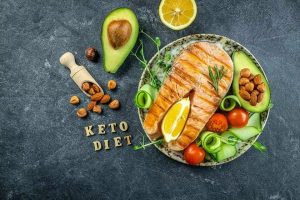
- Protein like eggs, poultry, beef, pork, fatty fish (salmon, mackerel, sardines), and tofu or tempeh if you are plant based
- Non starchy vegetables including leafy greens, broccoli, cauliflower, zucchini, bell peppers, cucumber, and asparagus
- Small portions of lower carb fruits such as berries
- Nuts, seeds, and nut butters in moderation
Healthline recommends that standard keto plans emphasize fats from meat, fish, eggs, nuts, and healthy oils, while keeping carbs low enough to stay within that 20 to 50 grams per day window (Healthline).
For long term heart health, Northwestern Medicine advises that even on a high fat diet like keto, you should favor healthier fats such as olive oil, avocado, and fatty fish instead of relying heavily on processed meats and butter (Northwestern Medicine).
Know what to avoid or limit
Since carbs are so restricted on a keto diet plan, some everyday foods will not fit, at least not in large portions.
Healthline shares several high carb foods that can stop you from reaching or maintaining ketosis (Healthline):
- Breads, tortillas, cereal, pasta, rice, and most baked goods
- Starchy vegetables like potatoes, sweet potatoes, corn, and peas
- Most fruits that are higher in sugar such as bananas, apples, mangos, and grapes
- Sugary drinks including soda, sweet tea, energy drinks, and many store bought smoothies
- Fruit juice, even 100 percent juice, which is concentrated sugar without fiber
- Sweetened dairy products like flavored yogurt and chocolate milk
- Sauces and condiments with added sugar such as ketchup, barbecue sauce, honey mustard, sweet chili sauce, and syrups
Low fat or reduced fat products also tend to be a poor fit for keto because manufacturers often add sugar when they remove fat. Healthline notes that full fat versions usually work better on a keto plan (Healthline).
You can still enjoy flavor. Look for keto friendly condiments such as mayonnaise, mustard, hot sauces without added sugar, vinegar based dressings, and herbs and spices.
Prepare for side effects and safety
Keto can have side effects, especially in the first week or two. Knowing what to expect makes the transition easier and safer.
The “keto flu”
As your body switches from burning carbs to using fat and ketones, you may feel flu like symptoms. Healthline calls this the “keto flu” and notes that symptoms can include:
- Fatigue and low energy
- Headaches
- Nausea or stomach upset
- Constipation or diarrhea
- Irritability or brain fog
These usually appear in the first few days, then improve as your body adapts (Healthline). You can ease this phase by drinking plenty of water, adding extra salt or an electrolyte supplement if your doctor says it is safe, and not restricting calories too harshly while you adjust.
Nutrient gaps and cholesterol changes
UC Davis Health points out that keto can change your cholesterol levels. Some people see improved HDL and lower triglycerides, while others experience higher LDL cholesterol, which is linked to heart disease risk (UC Davis Health).
Because keto cuts back many fruits, whole grains, and some vegetables, you can also fall short on certain vitamins, minerals, and fiber. Everyday Health notes that a trial comparing keto to a Mediterranean diet found that people on keto had more deficiencies in folate, vitamin C, magnesium, and fiber (Everyday Health).
You can reduce these risks by:
- Eating a wide range of low carb vegetables every day
- Including nuts, seeds, and small portions of berries for added nutrients
- Discussing a multivitamin, magnesium, or other supplements with your healthcare provider
- Getting cholesterol and other bloodwork checked regularly
When to talk with your doctor first
Keto is not right for everyone. Northwestern Medicine highlights concerns about heart and kidney health, the difficulty of staying on such a restrictive plan, and the possibility of disordered eating if you become overly focused on tracking every bite (Northwestern Medicine).
You should speak with your doctor or a registered dietitian before starting a keto diet plan if you:
- Have diabetes, especially if you use insulin or certain oral medications
- Take blood pressure drugs
- Have kidney disease, liver disease, or a history of eating disorders
- Are pregnant, breastfeeding, or planning to become pregnant
- Have a history of high cholesterol or heart disease in yourself or your family
A professional can help tailor the plan, suggest a modified or Mediterranean style low carb approach if a strict keto diet is not ideal, and monitor your health over time.
Start your keto diet plan in 5 simple steps
Once you understand the basics, you can ease into a keto diet plan instead of changing everything overnight. Here is a straightforward way to begin.
1. Set a realistic goal
Decide what you want from keto. Are you aiming to lose a specific amount of weight, improve your blood sugar numbers, or simply feel less dependent on sugar and refined carbs?
Keep your first goal simple and time bound, such as “follow a keto diet plan for 4 weeks and track my energy, weight, and blood sugar.” You can adjust once you see how your body responds.
2. Choose your carb target
Most people stay between 20 and 50 grams of net carbs per day on keto (Everyday Health). You might:
- Start closer to 40 to 50 grams if you prefer a gentler transition
- Move toward 20 to 30 grams if you want a stricter approach and your doctor agrees
Use a food tracking app for the first couple of weeks to get a feel for portion sizes and net carbs. Over time, you will likely learn what works without needing to log every meal.
3. Build a basic meal template
Plan a handful of go to meals that fit a keto diet plan so you are not starting from scratch each day. A simple template is:
- Breakfast: eggs cooked in butter or olive oil, with spinach or mushrooms
- Lunch: large salad with leafy greens, non starchy vegetables, grilled chicken or salmon, avocado, and olive oil dressing
- Dinner: protein such as chicken thighs, steak, or tofu, plus roasted non starchy vegetables and a source of fat like olive oil or butter
- Snacks if needed: cheese sticks, a small handful of nuts, olives, celery with nut butter, or plain full fat yogurt with a few berries
This pattern keeps your carbs low while giving you plenty of volume and healthy fats to feel satisfied.
4. Clean up your kitchen
To make keto easier to follow, take an hour to scan your pantry, fridge, and freezer. Set aside foods that are clearly high in sugar and starch. You can donate unopened shelf stable items, share them with friends or family, or store some things for later if you plan to follow keto only for a short term experiment.
Then, stock up on:
- Fresh and frozen low carb vegetables
- Eggs, meat, poultry, and fish
- Healthy oils like olive and avocado oil
- Full fat dairy, if you tolerate it
- Nuts, seeds, and unsweetened nut milks
Having keto friendly options on hand reduces the temptation to fall back on old habits when you are hungry or tired.
5. Notice, adjust, and stay flexible
Once you are following your keto diet plan, pay attention to how you feel. You might want to keep a simple log of:
- Energy levels
- Hunger and cravings
- Digestion and sleep
- Weight, waist measurements, or blood sugar readings if relevant
If you feel constantly drained, extremely irritable, or unwell after the first couple of weeks, you may need to increase carbs slightly, adjust your fat and protein balance, or consider a less restrictive low carb plan. Long term success comes from a way of eating you can actually live with, not the strictest version possible.
If you remember one thing, let it be this: your keto diet plan should fit your life, not the other way around.
Key takeaways
- A keto diet plan is a very low carb, high fat way of eating that shifts your body into ketosis so you burn more fat for fuel (UC Davis Health).
- Keto can support weight loss and better blood sugar control, especially for people with obesity or type 2 diabetes, but it is not risk free and works best with medical guidance (Healthline).
- You will fill your plate with healthy fats, protein, and non starchy vegetables, while limiting bread, pasta, rice, starchy vegetables, most fruits, sugary drinks, and sweetened dairy (Healthline).
- Side effects like the “keto flu,” nutrient gaps, and cholesterol changes are common, so hydration, variety, and regular checkups are important (Everyday Health).
- Starting slowly with a clear carb target, a basic meal template, and flexible expectations will help you turn a keto diet plan into a practical, sustainable way to support your health.
You do not have to overhaul everything at once. Try one small change this week, such as swapping your usual breakfast cereal for eggs and vegetables, and notice how your energy and cravings respond. Over time, these simple shifts can add up to real progress.