What is a DASH diet menu?
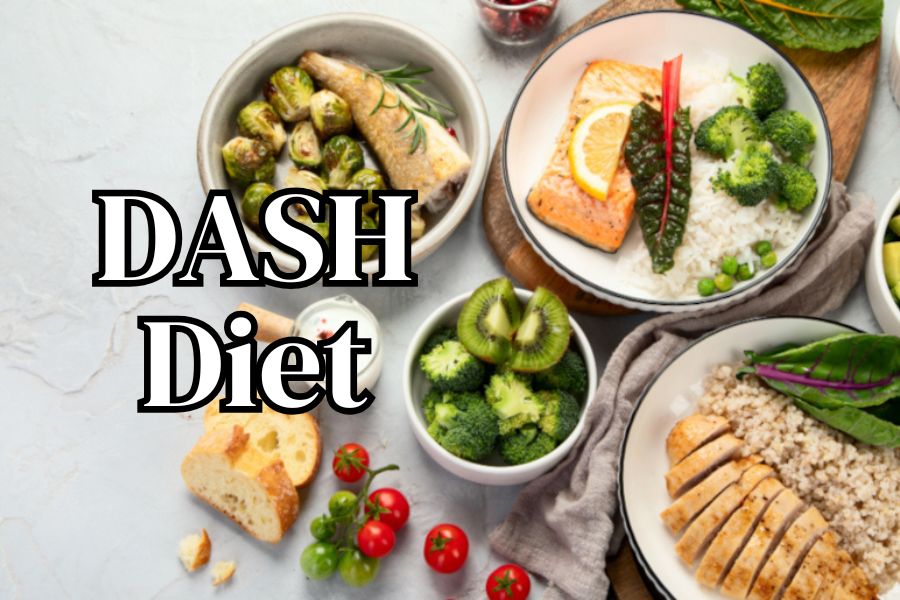
A DASH diet menu is a daily or weekly eating plan built around the DASH diet, which stands for Dietary Approaches to Stop Hypertension. It focuses on fruits, vegetables, whole grains, lean proteins, and low fat dairy, while limiting sodium, sugary foods, and highly processed items to help you lower blood pressure and support a healthy weight (NHLBI, Mayo Clinic).
You are not required to buy specialty products or follow a complicated plan. The DASH eating plan provides clear daily and weekly goals that fit a typical 2,000 calorie per day diet, along with serving guides so you can compare your current habits to DASH targets (NHLBI). That structure makes it easier to turn general advice like “eat healthier” into an actual plate of food.
Why the DASH diet is worth your attention
The DASH diet was originally developed to help treat and prevent high blood pressure, and it has been repeatedly recognized as one of the best heart healthy eating patterns available. In 2025, it was named “Best Heart Healthy Diet” and “Best Diet for High Blood Pressure,” reflecting strong evidence for cardiovascular benefits (NHLBI).
By following a well planned DASH diet menu, you give your body more of the nutrients that protect your heart and metabolism. The diet emphasizes foods that are naturally high in potassium, calcium, magnesium, protein, fiber, and healthy unsaturated fats, and these work together to support healthy blood pressure and lower LDL cholesterol (Verywell Health).
If you want to lose weight, DASH can also help. It was designed around a 2,000 calorie pattern, but you can adjust those calories up or down with support from a health care professional or dietitian to match your personal goals (Mayo Clinic).
Core principles of a DASH diet menu
A balanced DASH diet menu is less about strict rules and more about the overall pattern of your meals and snacks.
Focus on whole, nutrient dense foods
On a typical DASH day, your plate is built from:
- Plenty of vegetables and fruits
- Whole grains like brown rice, oats, and whole wheat bread
- Low fat or nonfat dairy such as yogurt or milk
- Lean proteins like fish, poultry, beans, and lentils
- Small amounts of nuts, seeds, and healthy oils
The plan encourages you to choose these foods in the right serving sizes to reach daily and weekly goals, and provides tables to help you keep track (NHLBI).
Keep sodium on the low side
Sodium is a key part of a DASH diet menu. The plan traditionally targets less than 2,300 milligrams of sodium per day, which is about 1 teaspoon of table salt, and notes that going as low as 1,500 milligrams can be even more effective for lowering blood pressure (NHLBI, Mayo Clinic).
You do not have to become obsessed with every sprinkle of salt. Instead, you shift your menu away from the biggest sodium sources, such as:
- Processed meats
- Frozen dinners and pizza
- Canned soups and salty snacks
By cooking more at home and flavoring with herbs, spices, citrus, and vinegar, you naturally cut down on sodium without sacrificing taste (Verywell Health).
Limit added sugars and highly processed foods
A DASH diet menu also keeps a close eye on added sugars and refined foods. Sweets, sugary drinks, and desserts are allowed occasionally, but they are not daily staples. The plan specifically restricts foods like soda, candy, rich desserts, and many packaged snacks so that your calories come from more nourishing sources (Verywell Health).
Alcohol is another area to watch. You are encouraged to avoid or limit drinking, and if you do drink, the guideline is no more than two drinks per day for men and one for women, since heavier drinking is linked to higher blood pressure (Verywell Health).
Typical daily servings on a DASH diet
When you look at a sample 2,000 calorie DASH diet menu, certain serving patterns show up again and again. These are general targets from DASH menu examples and summaries, and they give you a sense of how your day might look (Verywell Health, Mayo Clinic):
A balanced DASH day usually includes several servings of vegetables and fruits, multiple servings of whole grains, two to three servings of low fat dairy, and modest portions of lean protein, nuts or legumes, and limited sweets and sodium.
In practice, this might include:
- Vegetables and fruits at most meals and snacks
- Whole grains at breakfast and at least one other meal
- Lean protein at lunch and dinner
- Low fat dairy once or twice per day
- Nuts, seeds, or beans a few times per week
The official DASH materials include detailed serving tables and worksheets so you can compare your current intake to ideal DASH goals and adjust step by step (NHLBI).
Sample one day DASH diet menu
To see how this all comes together, here is a simple 2,000 calorie style day inspired by DASH menus from trusted sources (Verywell Health, Mayo Clinic).
Breakfast
- Overnight oatmeal made with low fat milk, topped with fresh berries and a sprinkle of chopped walnuts
- One small banana
- Coffee or tea, without added sugar or with a small splash of milk
This meal gives you whole grains, fruit, low fat dairy, and healthy fats in a simple bowl.
Midmorning snack
- Plain low fat yogurt with sliced peaches or other fresh fruit
Here you add more protein and calcium with another serving of fruit.
Lunch
- Turkey medallions with a fresh tomato and cucumber salad, dressed with olive oil and lemon
- A side of quinoa or brown rice
- A piece of seasonal fruit, such as an apple or orange
This plate checks boxes for lean protein, vegetables, whole grains, and healthy fat (Taste of Home).
Afternoon snack
- A small handful of unsalted almonds
- Carrot sticks or bell pepper strips
Nuts and vegetables here give you fiber, crunch, and staying power with minimal sodium.
Dinner
- Spiced salmon or grilled tilapia topped with pineapple salsa
- Steamed broccoli or mixed vegetables
- A small baked potato or serving of whole grain pasta
Seafood recipes like spiced salmon and grilled tilapia with pineapple salsa are common on DASH recipe lists because they deliver lean protein, beneficial fats, and vibrant flavor without heavy sauces (Taste of Home).
Optional dessert
- A small bowl of berries
- Or a single square of dark chocolate
You still get something sweet, but in a portion that fits comfortably within your daily sugar and calorie goals.
How the DASH diet can support weight loss
If your main goal is weight loss, a DASH diet menu can be a solid foundation. The eating pattern itself is not automatically low calorie, but it makes it easier to control calories because you are filling up on high fiber, high volume foods like vegetables, fruits, and whole grains.
By emphasizing nutrient dense foods and limiting sweets and refined options, you naturally reduce empty calories. You can create a gentle calorie deficit by:
- Keeping portions of grains and starchy foods moderate
- Choosing lean proteins and plenty of non starchy vegetables
- Saving sweets and high fat treats for occasional enjoyment
The Mayo Clinic offers sample 2,000 calorie menus, and it recommends talking to your health care professional or a dietitian about adjusting those calories to fit your own needs and activity level, which is especially important if you have health conditions or take medication (Mayo Clinic).
Practical tips to build your own DASH menu
You do not have to follow a rigid PDF or cook a brand new recipe every night. You can start by reshaping the meals you already enjoy.
Start with small, realistic changes
Pick one or two steps to focus on this week instead of revamping everything at once:
- Add one extra serving of vegetables at lunch or dinner
- Swap white bread, pasta, or rice for whole grain versions
- Replace one sugary drink per day with water or sparkling water
- Choose unsalted nuts and seeds instead of chips for a snack
These shifts begin to align your daily menu with DASH principles without feeling overwhelming.
Shop and prep with DASH in mind
When you plan your grocery list, think in terms of the main DASH food groups:
- Produce for half of your cart, including fresh or frozen vegetables and fruits
- Whole grains such as oats, whole wheat bread, brown rice, and quinoa
- Lean proteins, including poultry, fish, beans, lentils, and tofu
- Low fat or nonfat dairy like yogurt and milk
- Healthy fats such as olive oil and small amounts of soft margarine with unsaturated fats (Verywell Health)
Batch cooking grains and beans, washing and chopping vegetables, and marinating lean proteins ahead of time all make it easier to throw together DASH friendly meals on busy days.
Watch your salt without losing flavor
If you are used to salty foods, cutting back can feel like a big shift at first. To keep food satisfying:
- Use fresh herbs, garlic, onion, and spices to layer flavor
- Add a squeeze of lemon or lime to brighten dishes
- Choose low sodium or no salt added canned products when possible
- Taste food before salting and add just what you need
Keep in mind that your taste buds adapt. Over a few weeks, heavily salted foods may start to taste too intense, and that is a sign your palate is adjusting to your new DASH choices.
Bringing it all together
A balanced DASH diet menu is simply a clear, flexible way to put heart healthy nutrition onto your plate. By focusing on vegetables, fruits, whole grains, lean proteins, low fat dairy, and healthy fats, and by keeping sodium, added sugars, and highly processed foods in check, you support healthier blood pressure and make weight control more manageable (NHLBI, Verywell Health).
You do not need to be perfect or change everything at once. Start with one meal, such as turning breakfast into a DASH style bowl of oats, fruit, and yogurt, and notice how you feel. From there you can layer in more vegetables, smarter snacks, and lower sodium choices until a DASH diet menu feels like your new normal.