A paleo diet plan promises simple, whole foods that can help you lose weight, steady your energy, and cut way back on processed ingredients. Instead of counting every calorie, you focus on what your ancestors might have eaten, like meat, fish, vegetables, fruit, nuts, and seeds, and you skip modern staples such as grains, dairy, and most packaged foods (Mayo Clinic).
If you are curious whether this approach is right for you, the guide below walks you through what to eat, what to avoid, potential benefits, and the common mistakes to watch out for.
Understand what a paleo diet plan really is
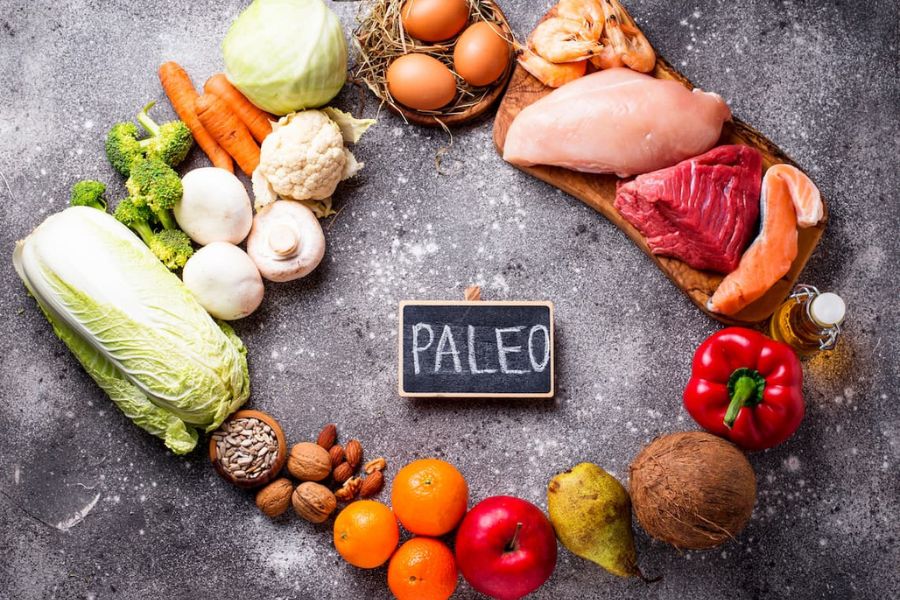
At its core, a paleo diet plan is built around foods humans could hunt, fish, or gather before farming began. That is why it focuses on fruits, vegetables, lean meats, fish, eggs, nuts, and seeds, and it excludes grains, legumes, and dairy products that arrived with agriculture about 10,000 years ago (Mayo Clinic).
The idea is that your genes are still better matched to this older style of eating and that the mismatch between your biology and modern processed foods may contribute to obesity, diabetes, and heart disease. A modern paleo diet is really a template though, not a museum-level replica of what early humans ate. Some versions now include extras like grass fed butter or even gluten free grains depending on how strict you want to be (Healthline).
In practice, that means you put whole, unprocessed foods at the center of every plate and you treat labels and ingredient lists with healthy skepticism.
Learn what you can and cannot eat
To follow a paleo diet plan without feeling confused at every meal, it helps to know which foods are usually in and which are out. Different sources draw the lines in slightly different places, but the core pattern is consistent (EatingWell, Everyday Health).
Here is a quick reference:
| Category | Commonly included on paleo | Commonly excluded on paleo |
|---|---|---|
| Proteins | Beef, poultry, pork, lamb, wild game, wild caught fish and seafood, eggs, nuts, seeds | Processed meats with additives, soy products, legumes like beans and lentils |
| Produce | Non starchy vegetables, leafy greens, most fruits | None, though starchy vegetables and very sweet fruits are sometimes limited |
| Fats | Avocado, olives, nuts and seeds, coconut products, olive oil, avocado oil | Margarine, refined seed and vegetable oils, trans fats |
| Carbs and grains | None as staples | Wheat, barley, rye, oats, corn, rice, other gluten and gluten free grains |
| Dairy | Sometimes grass fed butter or ghee in flexible versions | Milk, cheese, yogurt, ice cream in stricter plans |
| Sweets | Fruit, small amounts of honey or maple syrup | Refined sugar, candy, soda, baked goods, most desserts |
Most definitions agree that you avoid grains, dairy, sugar, beans, legumes, and processed foods, and you focus instead on healthy fats, meats, vegetables, and occasional fruit (Bon Appétit). As you get comfortable, you can decide whether your version includes flexible items like white potatoes or grass fed butter.
Explore the potential benefits for weight and health
One of the biggest reasons you might be drawn to a paleo diet plan is weight loss without obsessive tracking. Several small, short term studies suggest that moving to a paleo pattern can support weight loss and improve markers like blood pressure and blood sugar, largely by eliminating highly processed foods and increasing fruits and vegetables (Healthline, Mayo Clinic).
When you base your meals on lean protein, vegetables, and healthy fats, you usually feel full on fewer calories. That can naturally cut your intake without strict portion control. Cutting refined carbohydrates and added sugars also tends to steady your energy and reduce swings in hunger.
A large study of young Spanish adults linked higher adherence to paleo style eating with lower cardiovascular risk factors, again mainly because of less processed food and more produce, not magic from any one ingredient (Mayo Clinic). The emphasis on omega 3 rich fish and quality meats can also support heart health when you steer toward leaner cuts and away from excess saturated fat (EatingWell).
You may notice other day to day changes too, such as less reliance on packaged snacks, more home cooking, and a clearer sense of what you are actually putting in your body.
Watch out for common paleo pitfalls
A paleo diet plan can be powerful, but it is not automatically healthy. Several recurring mistakes can leave you feeling tired, hungry, or under nourished if you are not careful.
One big trap is treating anything labeled “paleo” as a free pass. Many packaged bars, cookies, and snacks marketed to paleo eaters are still highly processed and high in sugar or refined starch, just from different sources. Ideally, your diet focuses on whole foods rather than processed products, even if they carry a paleo logo (Aaptiv).
Another issue is overdoing the meat. Because paleo excludes grains, beans, legumes, and dairy, you may lean heavily on animal protein to meet your needs. Some followers end up eating very large portions of meat at each meal, which can stress your kidneys and liver and may raise your risk of chronic conditions if cuts are high in saturated fat (Aaptiv, Bon Appétit). Experts recommend thinking of meat as an accompaniment, not the entire plate.
You also need to be intentional about nutrients that grain free and dairy free diets can lack. Without whole grains, beans, legumes, and low fat dairy, you may fall short on fiber, calcium, vitamin D, folate, and other micronutrients (Mayo Clinic, Everyday Health). People with existing heart disease risk, kidney issues, or type 1 diabetes should talk with a doctor before starting paleo, since the higher protein load and shifts in carbohydrates may not be appropriate for everyone (Everyday Health).
Planning is another stumbling block. If you do not think through your meals and snacks, unplanned hunger can push you toward convenient non paleo options. Packing simple items like raw vegetables with guacamole or grain free snacks can make it much easier to stick with your plan when life gets busy (Bon Appétit).
Finally, even “paleo friendly” desserts deserve moderation. Coconut sugar, maple syrup, honey, and nut flours still add up to high calorie treats. They may fit your rules, but they will not support your goals if they crowd out the vegetables and lean proteins that should anchor your meals (Bon Appétit).
Protect yourself from nutrient gaps
You can follow a paleo diet plan and still cover your nutritional bases, but you will need to be deliberate. Since you are skipping whole grains and legumes, fiber is a top priority. Aim for at least five servings of non starchy vegetables a day to support digestion and gut health (Aaptiv). Fruits, nuts, and seeds add even more fiber and beneficial plant compounds.
Calcium is another concern, especially if you do not include any dairy or fortified plant milks. Paleo friendly sources such as leafy greens like broccoli, kale, and mustard greens, along with canned fish that includes the bones, can help you close the gap (Aaptiv). You may still want to discuss vitamin D and calcium supplementation with a healthcare professional, particularly if you have bone health concerns (Mayo Clinic).
Pay attention as well to B vitamins, iron, magnesium, and selenium, which are abundant in whole grains and legumes. A variety of vegetables, nuts, seeds, and responsibly sourced meats can supply many of these nutrients, but variety really matters if you are cutting entire food groups (Everyday Health).
If you already have a restrictive diet, consider meeting with a registered dietitian. They can review your paleo plan, flag any gaps, and help you adjust portions so that you are not relying on very high meat intake to meet your protein needs (Bon Appétit).
Build a simple, realistic paleo meal plan
You do not have to reinvent your entire cooking routine overnight. Many successful paleo eaters start by planning just one week of meals that follow the framework and then adjust from there. Grocery store resources can help, such as 7 day paleo friendly meal plans that highlight fresh produce, meat, seafood, nuts, and seeds for breakfast, lunch, and dinner, plus easy snack ideas (Whole Foods Market).
As you sketch out your own plan, think in patterns rather than strict recipes. A typical paleo day might look like this, based on guidance from paleo friendly food lists and sample menus (Healthline, EatingWell):
- Breakfast, eggs with spinach and another vegetable, plus a side of berries
- Snack, a small handful of nuts and a piece of fruit, or raw vegetables with guacamole
- Lunch, a large salad with mixed greens, colorful vegetables, grilled chicken or fish, and olive oil based dressing
- Snack, pumpkin seeds with a few dried apricots or a banana with almond butter
- Dinner, roasted or grilled chicken, fish, or lean red meat, served with sweet potatoes or another starchy vegetable and a generous portion of non starchy vegetables
Batch cooking can make this pattern doable. Many paleo focused plans suggest preparing extra portions at dinner so you can use leftovers for lunch the next day, and relying on ready to eat items like rotisserie chicken when you need a shortcut (Whole Foods Market).
Remember that your plan is there to support you, not to become another source of stress. You can adjust portions, swap ingredients, and build in flexibility as you learn what works for your schedule and appetite.
Decide if a paleo diet is right for you
No diet is perfect for everyone. While a paleo diet plan can encourage you to focus on whole, minimally processed foods and may help you lose weight and improve some health markers, there are still open questions about its long term benefits and risks. There are no large, long term clinical trials, and other patterns like the Mediterranean diet, which include whole grains and dairy, have strong evidence of benefit without obvious downsides (Mayo Clinic, Kevin’s Natural Foods).
If you like the idea of eating fewer processed foods, more vegetables, and leaner proteins, you might treat paleo as a starting blueprint rather than an all or nothing rule set. You can borrow the parts that help you feel your best and, with guidance from your healthcare team, adjust areas that might put you at risk for nutrient deficiencies or conflict with existing conditions (Whole Foods Market).
Begin with one or two small changes, such as swapping a refined grain based breakfast for eggs and vegetables, or replacing sugary snacks with fruit and nuts. Pay attention to how your body responds as you shift more of your meals into a paleo pattern. With some planning and a focus on nutrient dense choices, you can use a paleo diet plan as a powerful tool to move toward a healthier, more intentional way of eating.