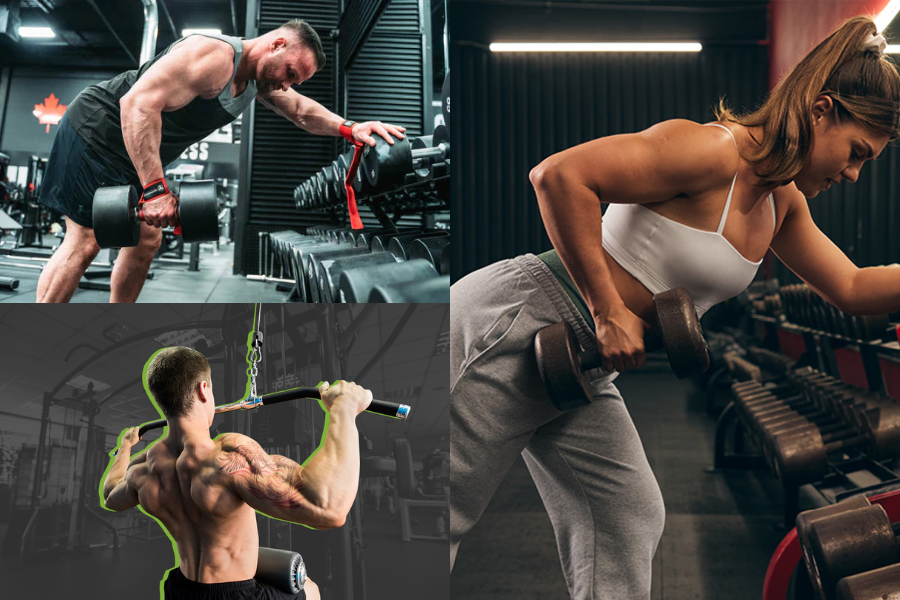
A strong back makes almost everything you do feel easier, from carrying groceries to sitting at your desk. The good news is that you can build it with a simple back workout without equipment, no gym membership or machines required.
Back strengthening exercises are key for keeping your spine healthy and reducing your risk of injury, a point orthopedic surgeon Matthew Wert highlights in a Daily Burn feature on back health. You can get an effective back workout using just your body weight, a bit of floor space, and a few minutes of focused effort.
Why a back workout without equipment works
You might associate back training with heavy barbells or cable machines. Bodyweight back exercises can be just as effective, especially when you use good form and move with control.
A no equipment routine helps you:
- Strengthen the muscles that support your spine
- Improve posture and ease everyday back strain
- Balance out push focused workouts that rely on pushups and dips
- Reduce your chance of back injury in daily life and sports
Back pain affects roughly 8 out of 10 people at some point in life, according to Healthgrades. Consistent, well chosen exercises are one of the simplest ways to protect your back instead of only reacting when it hurts.
Key muscles you will train
In this back workout without equipment, you target more than just one area. You work a network of muscles that keep you upright, stable, and strong.
You will primarily train:
- Lats along the sides of your back that help you pull and lift
- Rhomboids and middle back muscles that pull your shoulder blades together
- Lumbar muscles and spinal erectors that run along your spine and support posture
- Glutes and hamstrings that assist your back whenever you bend or lift
Because these moves are compound, you also involve your core, shoulders, and hips. That is one reason bodyweight training is so efficient. Each exercise asks multiple muscle groups to work together the way they do in real life.
Warm up before you start
You do not need a long warm up, but you should spend 3 to 5 minutes preparing your body. A quick sequence might include:
- Gentle cat cow stretches on hands and knees
- Torso rotations, turning side to side
- Arm circles, forward and backward
- A few bodyweight squats with your chest lifted
Move slowly and stay pain free. The goal is to wake up your muscles, not tire them out.
Beginner friendly core moves: Superman, bird dog, and bridge
If you are new to back training or returning from a break, start with controlled floor based exercises. These build awareness and strength without overloading your spine.
Superman
The standard superman is a classic beginner back workout without equipment. It mainly works your lower back and the erector spinae muscles, and it also wakes up your glutes, hamstrings, and abs.
How to do it:
- Lie face down on the floor with your arms extended in front of you and legs straight.
- Brace your core gently as if about to cough.
- Lift your arms, chest, and legs a few inches off the floor.
- Hold for 2 to 3 seconds, then lower with control.
Aim for 3 sets of 10 to 15 slow repetitions. Focus on lifting with your back muscles, not by jerking your limbs up.
To make it easier, raise only your upper body or only your legs until you feel stronger.
Bird dog
The bird dog is a go to exercise for back stabilization. It trains your erector spinae, glutes, and shoulders while teaching your body to stay steady when opposite limbs move.
How to do it:
- Start on hands and knees, hands under shoulders and knees under hips.
- Keep your spine neutral, do not let your low back sag.
- Extend your right arm forward and your left leg back until both are in line with your torso.
- Pause for 2 to 3 seconds, then return to the starting position.
- Repeat with the left arm and right leg.
Do 3 sets of 8 to 10 controlled reps per side. If your balance feels shaky, move slower and keep your lifted leg slightly lower.
Bridge
The bridge targets your glutes and hip muscles, which play a big role in supporting your lower back.
How to do it:
- Lie on your back with knees bent and feet flat, hip width apart.
- Brace your core and press your lower back gently into the floor.
- Drive through your heels and lift your hips until your body forms a straight line from shoulders to knees.
- Squeeze your glutes at the top for 2 seconds, then lower with control.
Aim for 3 sets of 10 to 15 reps. To modify, shorten the range of motion and lift your hips only partway until it feels comfortable.
Five no equipment back exercises you will love
Once you feel warmed up and confident with the basics, you can move into slightly more challenging back specific moves. These five exercises, highlighted by Matthew Wert as effective no equipment options, target your entire back from different angles.
1. Reverse snow angels
Reverse snow angels focus on your lats and rhomboids and help counteract rounded shoulders from desk work.
How to do it:
- Lie face down with your arms at your sides, palms facing down.
- Keep your head in line with your spine and your legs relaxed.
- Lift your arms slightly off the floor.
- With elbows locked, slowly sweep your arms out and up in a wide arc until they are overhead, as if making a snow angel.
- Reverse the motion back to your sides.
Perform 3 sets of 5 slow repetitions with 30 to 60 seconds of rest between sets. To make it easier, keep your hands closer to the floor and limit the range of motion until your shoulders feel stronger.
2. Dolphin kick
This move challenges your lower back and glutes while teaching you to keep tension along your spine.
How to do it:
- Lie face down, legs together and straight, arms folded to rest your forehead on your hands.
- Engage your core and squeeze your glutes.
- Lift both legs a few inches off the floor and gently kick them up and down with small controlled movements, like a swimmer.
- Keep your lower back stable and avoid swinging your legs.
You can work in 3 sets of 20 to 30 seconds of kicking. Rest for 30 to 45 seconds between sets.
3. Superman variations
Once the standard superman feels manageable, you can progress to variations that better target your upper and mid back. Healthgrades highlights several versions, such as Y, W, and T supermans, as effective ways to challenge your back using only bodyweight.
Pick one variation:
- Y superman with arms raised in a Y shape
- T superman with arms extended out to the sides
- W superman with elbows bent and pulled toward your ribs
From there, follow the same basic pattern: lift, hold, then lower. Aim for 3 sets of 12 to 15 reps, moving slowly and deliberately.
4. Hip hinge (good mornings)
Hip hinges, sometimes called bodyweight good mornings, are useful for teaching you how to bend without straining your back. They work your spinal erectors, glutes, and hamstrings together.
How to do it:
- Stand with your feet hip width apart and a soft bend in your knees.
- Place your hands lightly on your hips or across your chest.
- Keeping your spine neutral, push your hips back as if closing a car door with your glutes.
- Hinge forward until you feel a stretch in your hamstrings, but not pain in your lower back.
- Drive through your heels and squeeze your glutes to return to standing.
Go for 3 sets of 10 to 15 reps. Move slowly and stop the descent if your back starts to round.
5. Nose and toes against the wall
This advanced move blends core strength with intense back engagement. It also challenges your shoulder stability, so introduce it only after you are comfortable with planks and basic back work.
How to do it:
- Start facing a wall, about one leg length away.
- Place your hands on the floor and your feet against the wall, moving into a push up position.
- Walk your feet up the wall and your hands closer to the wall until you are at an incline with your nose and toes almost touching the wall.
- Hold this position for 15 to 30 seconds while keeping your core tight and your back straight.
- Carefully walk your hands and feet back out to exit the position.
Aim for 3 holds of 15 to 30 seconds. If that feels too difficult, start farther from the wall with a gentler incline and gradually work closer as you gain strength.
Balancing your back workout with pulling moves
Many no equipment workouts are heavy on pushing exercises like pushups but light on pulling. Over time, this can lead to rounded shoulders and a weak upper back. Bodyweight back exercises help restore that balance and improve your posture.
If you have access to a sturdy bar, you can include classic pulling moves such as:
- Pullups, often programmed for 3 to 4 sets of 6 to 10 reps
- Inverted rows, usually 3 sets of 8 to 10 reps, pulling your chest toward a bar from underneath
Healthgrades and other sources point out that these pulling motions, together with superman variations and suspension rows with tools like TRX bands, create a well rounded, equipment light back routine.
If you do not have a bar or bands, the five no equipment moves above still give you a solid foundation. Focus on perfect form and slow tempo to keep intensity high.
Sample back workout without equipment routines
You can mix and match these exercises into short routines based on your current level. Start with two sessions per week and build from there.
Use this guide as general information only. If you have back pain or a medical condition, talk with a healthcare professional before beginning a new exercise program.
Beginner routine
Try 2 rounds:
- Bird dog, 8 reps per side
- Bridge, 12 reps
- Superman, 10 reps
- Hip hinge, 10 reps
Rest 30 to 60 seconds between exercises as needed.
Moderate routine
Try 3 rounds:
- Reverse snow angels, 5 reps
- Dolphin kick, 20 seconds
- Y or T superman, 12 reps
- Hip hinge, 12 to 15 reps
Rest up to 1 minute between rounds.
Advanced routine
Try 3 rounds:
- Nose and toes against the wall, 15 to 30 second hold
- Reverse snow angels, 5 to 8 slow reps
- Superman variation, 15 reps
- Dolphin kick, 30 seconds
If you also do pullups, you can place 2 or 3 sets of 6 to 10 reps at the start of this routine.
Tips to stay consistent and avoid injury
A back workout without equipment is most effective when you repeat it regularly and respect your limits.
Keep these pointers in mind:
- Move slowly and focus on form rather than speed
- Stop any movement that causes sharp or sudden pain
- Breathe steadily, exhale on effort and avoid holding your breath
- Increase difficulty gradually by adding reps, holds, or extra sets, not all at once
Even 10 to 15 focused minutes, two or three times per week, can make a noticeable difference in how your back feels. Pick one routine that matches your current level, schedule it into your week, and pay attention to how everyday tasks begin to feel easier and lighter.